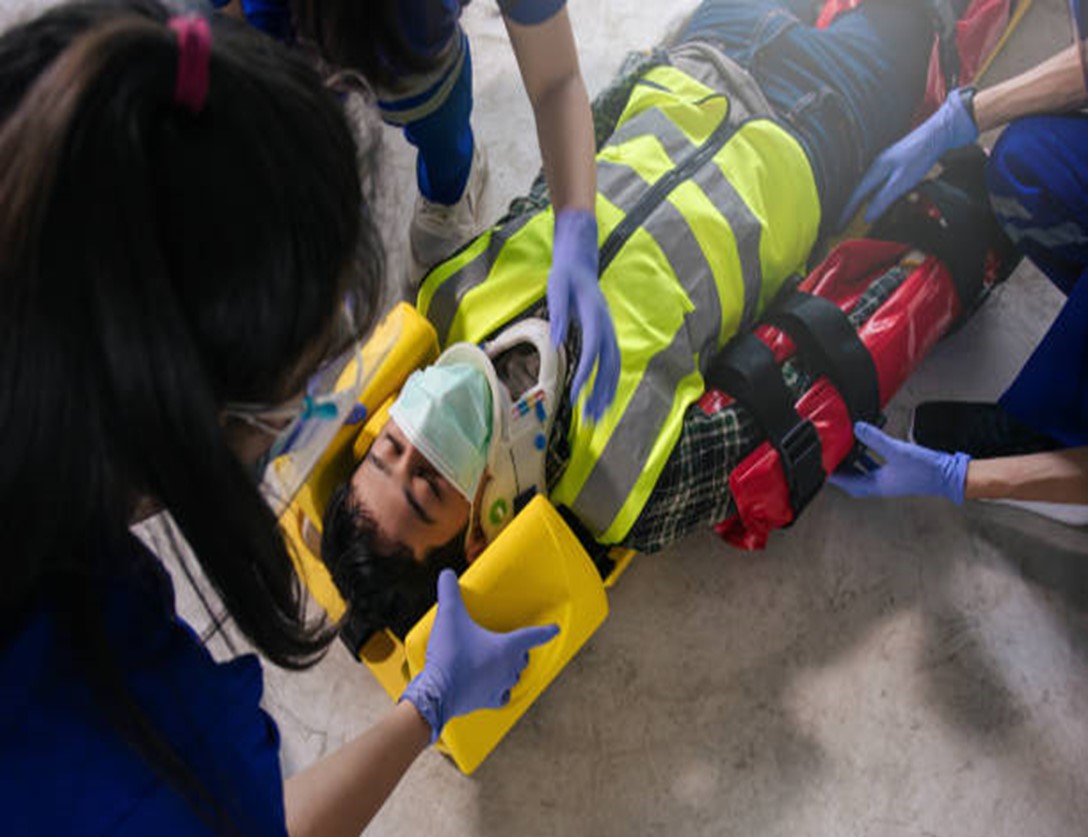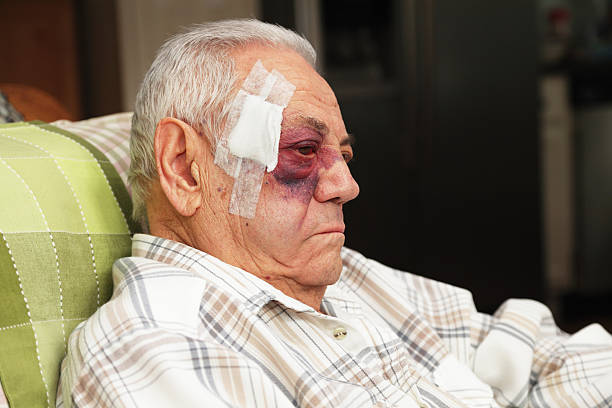
Head, Neck Or Back Injuries
Serious injuries to the head, neck, or back can be extremely painful.
These injuries can occur in several situations, including:
Road traffic accidents
Sports accidents
Falls
Assaults
Such injuries can cause paralysis, which is a permanent loss of movement.
They can also lead to brain injuries and internal bleeding.
Learning how to assist someone with these injuries can help prevent further harm.
Often, you may know the cause of the injury, but sometimes the cause may be unknown.
Many head, neck, or back injuries are not visible externally (no bleeding, swelling, or redness).
Signs that a person may have a serious head, neck, or back injury include:
SIGNS OF PERSONS WITH HEAD, NECK OR BACK SERIOUS INJURIES
Possible signs include:
Sleepiness or unconsciousness
Amnesia (cannot remember what happened)
Severe headache
Appears confused or irritable
External injuries to the head, neck, or back
Numbness or tingling sensations
Cannot feel their legs (possible paralysis)
Pain in the neck or back
Vomiting
IMPORTANT STEPS
Always ask for assistance from one or two people if you suspect someone has a serious head, neck, or back injury.
These injuries often occur internally, so immediate medical attention is required. Have someone call for medical help immediately.
While waiting for help, there are actions you can take to prevent further injury.
PERFORM DR ABC
D – Danger: Ensure the scene is safe for both you and the injured person.
R – Response: Check if the person is conscious. Ask simple questions and observe their reactions.
A – Airway: Make sure the airway is clear without moving the head or neck unnecessarily.
B – Breathing: Check if the person is breathing normally.
C – Circulation: Check for a pulse and observe for signs of severe bleeding.
Important: Avoid moving the person’s head, neck, or back unless absolutely necessary to prevent further injury.
DANGER
Identify the cause of the injury to the head, neck, or back.
Ensure you are not putting yourself in danger while helping.
If the scene is unsafe, try to drag the person to safety if possible and call for help immediately.
If the scene is safe, ask for assistance but continue to provide first aid.
Check if the person is conscious.
If the person is unconscious, have someone support their airway without moving their head, neck, or back.
AIRWAY
Check for secretions, vomit, or any objects that may be blocking the airway.
If the person is unconscious or has an obstructed airway, use the Jaw-Thrust Maneuver to open it.
This technique opens the airway while keeping the spine straight, helping to prevent further injury.
To perform the maneuver:
Position yourself above the patient’s head.
Grab the base of the jaw with both hands.
Gently lift the jaw upward to open the airway.
RESPONSE
Check if the person is conscious by speaking to them or gently tapping their shoulder.
Ask simple questions like their name or what happened to assess awareness.
If the person is unresponsive, continue to monitor airway, breathing, and circulation
Do not move the head, neck, or back unless absolutely necessary to prevent further injury.
If the person is unconscious, ensure someone is available to maintain the airway using the Jaw-Thrust Maneuver.
BREATHING
After checking the airway, ensure the person is breathing normally.
Use the “look, listen, and feel” technique:
Look for chest movements.
Listen for breath sounds.
Feel for airflow on your cheek.
If the person is unconscious and not breathing normally, start CPR immediately while taking care not to move the head, neck, or back unnecessarily.
CIRCULATION
Check for a pulse in the carotid artery to ensure the person’s heart is beating.
If the heart is not beating and the person is unconscious, start CPR
Do not move the injured person unless they are in immediate danger or need to be transported to a hospital.
Ensure the person stays as still as possible.
Encourage them to remain calm and limit movement.
Your primary role is to stabilize their neck to prevent movement.
Even slight movement of an injured neck can cause paralysis.
Do not attempt to move or straighten the neck.
Keep the neck in the position it was in when you found the person.
To stabilize, hold both sides of the head with your hands.
Maintain this position until medical help arrives.
Have another person monitor the ABCs (Airway, Breathing, Circulation) while you are holding the neck.
MOVING A PATIENT WITH HEAD, NECK, OR SPINE INJURIES
There may be situations where you must move the injured person, but this should only be done if absolutely necessary.
Examples include when the scene becomes unsafe or the person needs urgent medical care.
When moving them, keep their body as straight as possible.
Think of the spine as a chain: you want to keep the “links” aligned and avoid bending or twisting.
Moving a person safely typically requires at least three people to ensure proper stabilization of the head, neck, and spine.