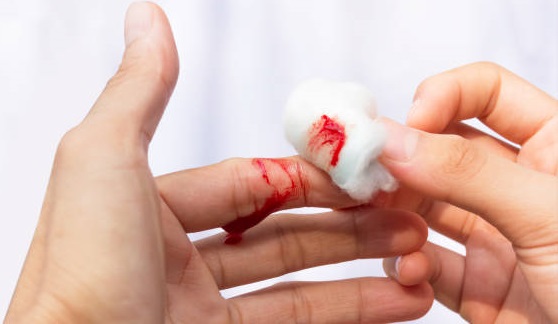
Cuts And Severe Bleeding
Cuts and severe bleeding can happen to anyone.
Knowing how to clean wounds and control bleeding helps prevent infection and serious blood loss.
CUTS
Most cuts are minor and can often be managed without medical care.
Have you ever cleaned and bandaged a cut on yourself or someone else? What steps did you take?
STEPS FOR MANAGING CUTS
Most cuts are minor and can often be managed without medical care.
Consider: Have you ever cleaned and bandaged a cut on yourself or someone else? What steps did you take?
REMEMBER
HIV can be transmitted through blood, so always wash your hands and wear gloves or use plastic bags as a barrier if gloves aren’t available.
To slow or stop bleeding, use a clean cloth and apply firm pressure over the wound.
If no cloth is available, apply direct pressure using a plastic bag as a barrier, never touch another person’s blood.
The pressure helps the blood to clot and stop bleeding.
If the wound bleeds through the first cloth, place another cloth on top; do not remove the first one.
Once bleeding has slowed or stopped, rinse the cut with clean water (boiled and cooled, if possible) to remove dirt or debris.
Apply antibiotic cream if available. If not, honey can be used as a natural antibiotic to help prevent infection and speed up healing.
Cover the wound with a bandage, strip of gauze, or clean strip of cloth.
Avoid using fluffy cotton, as it can stick to the wound.
If using cloth, secure it with medical tape or another piece of cloth.
Do not tie the bandage too tightly, as this may cut off circulation.
Wash your hands thoroughly after giving first aid.
Change the bandage daily and follow proper wound care steps.
If the bandage sticks to the wound, pour clean water over it until it loosens naturally.
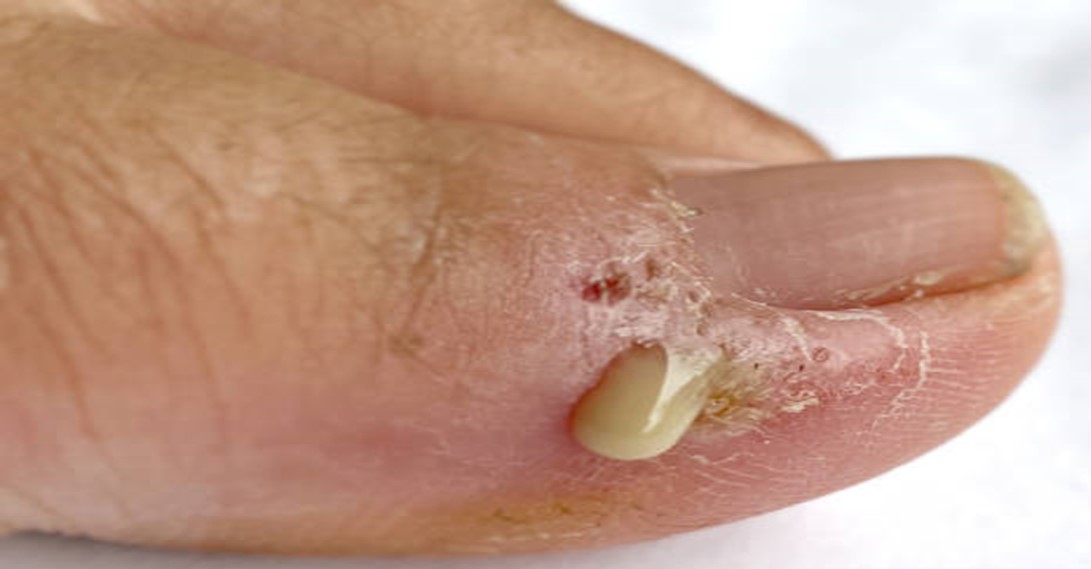
INFECTED CUTS
Signs of an infected cut include:
A bad smell coming from the cut
Flies being attracted to the wound
Increasing pain over time
The injured person feeling unwell after being cut
The cut becoming red and swollen after several days
Infected cuts should be treated with warm water (not hot).
Soak the affected area in a bucket or basin of warm water for about 20 minutes, or apply a clean cloth soaked in warm water to the cut for the same duration.
Make sure the water is comfortably warm, not too hot, to avoid further injury.
Repeat this process four times a day until the infection improves.
Elevate the infected area above the level of the heart, if possible, to reduce swelling.
If the infection does not improve or the redness spreads, the person may need medical attention and antibiotics.
CUTS WITH OBJECTS
Cuts or wounds caused by large objects such as knives, glass, or bullets require immediate medical attention.
Do not remove any object that is stuck in the wound or cannot be washed away with water.
Removing the object could cause severe bleeding, further injury, or even death.
Instead, try to slow or stop the bleeding around the wound by applying gentle pressure with a clean cloth.
Bandage around the object to help keep it stable and prevent movement, but do not press directly on the object itself.
GET MEDICAL HELP IMMEDIATELY
If a person loses too much blood, they may go into shock, a life-threatening condition that occurs when the body does not have enough blood flow.
To help prevent shock, keep the person by:
Removing wet clothing, and
Covering them with a blanket or any available warm material.
CUTS WITH SEVERE BLEEDING
Sometimes a cut is too deep for the body to stop the bleeding on its own.
Even if the cut looks large, apply firm pressure with a clean strip of cloth or gauze to try to stop or slow the bleeding.
Maintain steady pressure for at least 15 minutes without lifting the cloth to check the wound.
If blood soaks through the first cloth, place another cloth on top do not remove the original one.
Elevate the injured area above the level of the heart to help reduce blood flow to the wound.
If the bleeding does not stop or slow down, seek medical help immediately.
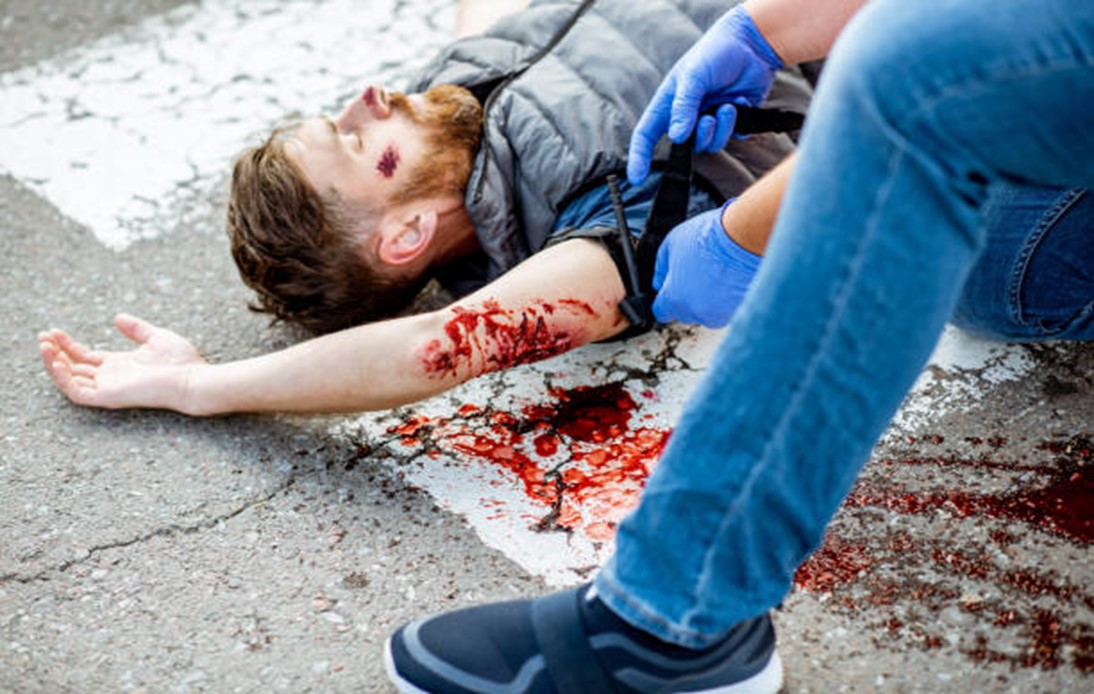
While waiting for medical help, you may apply a tourniquet if the wound is on an arm or leg and bleeding is life-threatening.
Use a wide strip of cloth or band placed a few inches above the wound, and tighten just enough to slow the bleeding not completely stop circulation if possible.
TOURNIQUET
A tourniquet is a piece of cloth or band tied firmly above a wound to reduce or stop blood flow to the injured area.
This helps to control severe bleeding when pressure alone does not stop it.
REMEMBER
A tourniquet should only be used in extreme cases when bleeding is severe and cannot be controlled by applying firm direct pressure and elevating the wound.
Keeping a tourniquet on for too long can cause the affected limb to die because it is deprived of blood flow.
To apply a tourniquet:
Use a long, thick strip of cloth and tie it firmly above the wound (between the wound and the heart).
Do not use rope, wire, or string, as these can cut into the skin and cause more injury.
Place a stick or similar object over the knot.
Twist the stick until the bleeding stops.
Secure the stick in place by tying it with another strip of cloth or holding it steady.
Record the time the tourniquet was applied, either mentally or by writing it down.
Every 30 minutes, carefully to check if the bleeding has stopped and to allow blood loosen the tourniquet to flow back into the limb.
If bleeding continues, tighten the tourniquet again and note the new time.
REMEMBER
If a tourniquet is needed to control a person’s bleeding, they must see a doctor immediately.
Continue to tighten and loosen the tourniquet every 30 minutes until the bleeding has stopped or medical help arrives.
Keep monitoring the person’s breathing, consciousness, and pulse while waiting for help.
Try to keep the injured person calm and warm to prevent shock.
WARNING
If the person starts to feel tingly, numb, or notice swelling in the arm or leg where the tourniquet is applied, loosen it immediately.
Tissue damage can begin if the tourniquet is left on an extremity without loosening for 2 hours.
Prevent shock by keeping the injured person warm, remove wet clothing if necessary and cover them with a blanket.
NOSE BLEEDING
Nosebleeds are very common and can occur in a variety of situations.
Common causes include:
Road traffic accidents
Falls
Assault
Nose picking
Sneezing
Sometimes they occur spontaneously, without an obvious cause
Most nosebleeds are not serious, but in rare cases, they can lead to severe blood loss.
HOW TO CONTROL NOSE BLEEDING
Always assess the person using the DR ABC method (Danger, Response, Airway, Breathing, Circulation) before treating a nosebleed.
Danger
Identify the cause of the nosebleed.
If the nosebleed was caused by a road traffic accident or assault, ensure the scene is safe before giving first aid.
Response
Ensure the person is conscious.
If they are unconscious, carefully check the airway, breathing, and circulation before attempting to control the nosebleed.
If unconscious and with no head, neck, or back injury, place them in the recovery position.
Airway
Ensure nothing is blocking the person’s airway.
If the person can speak clearly, their airway is open and clear.
Breathing
Ensure the person is breathing normally.
If they can speak, cough, or cry, it indicates that their airway is clear and they are breathing adequately.
Circulation
If the person is alert, their heart is beating.
If they are unconscious, check for a pulse.
If the person is conscious, have them sit upright with their head tilted slightly forward to allow blood to flow out of the nose rather than down the throat (swallowing blood can cause an upset stomach).
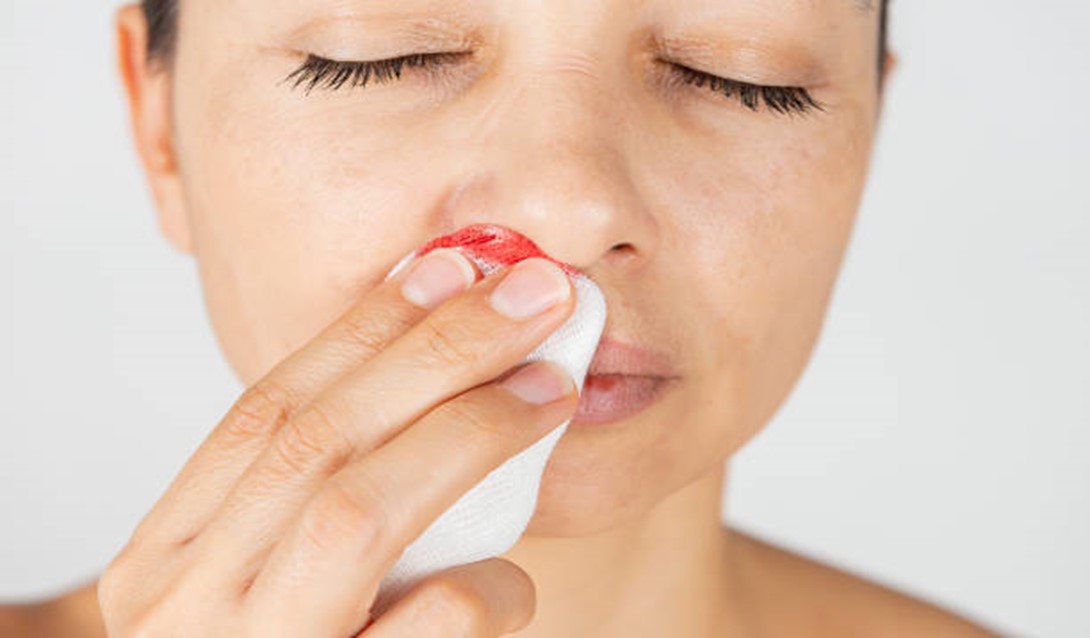
Ask them to pinch the fleshy part of the nose just below the bone and breathe through their mouth for 15 minutes.
If they are unable to pinch their nose, you should hold the nose closed for 15 minutes.
Always wear gloves or use plastic bags on your hands if available to avoid contact with blood.
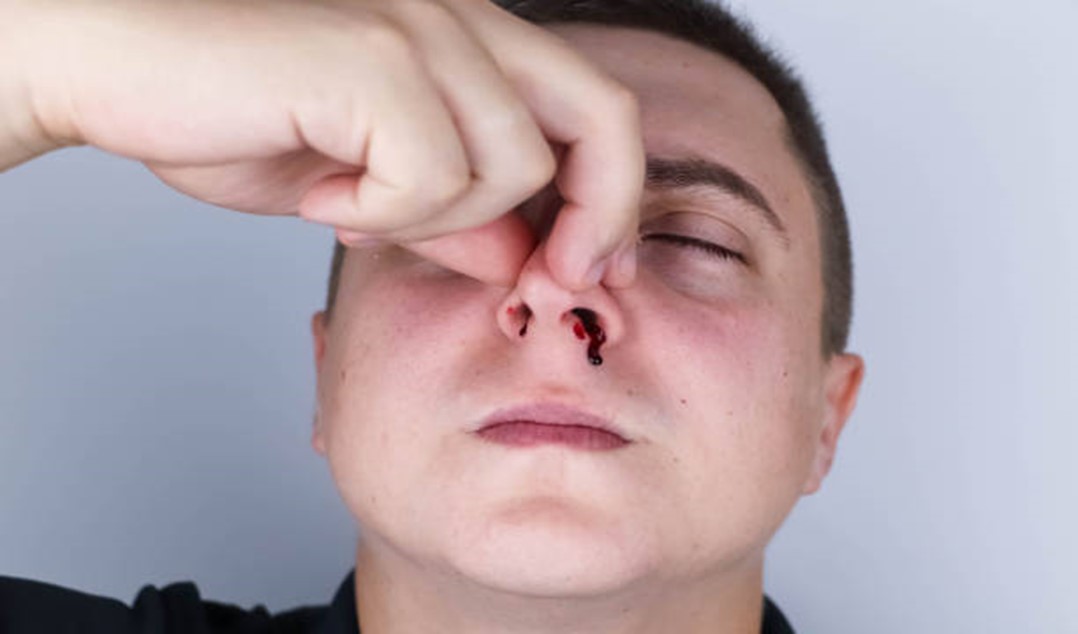
Make sure the person is comfortable and calm, as relaxation can help the bleeding stop more quickly.
If the nosebleed stops after pinching the nose for 15 minutes, the person may wash their face and hands.
You should wash your hands thoroughly, even if you did not touch blood.
If the nosebleed cannot be controlled by pinching, pack cotton, gauze, or clean strips of cloth gently into each nostril.
With the packing in place, pinch the tip of the nose for another 15 minutes, keeping the person’s head tilted slightly forward.
If the nosebleed still cannot be controlled, seek medical attention immediately.
Place gauze or cloth around the nose to catch any blood.
Keep the person warm while waiting for medical help to prevent shock.