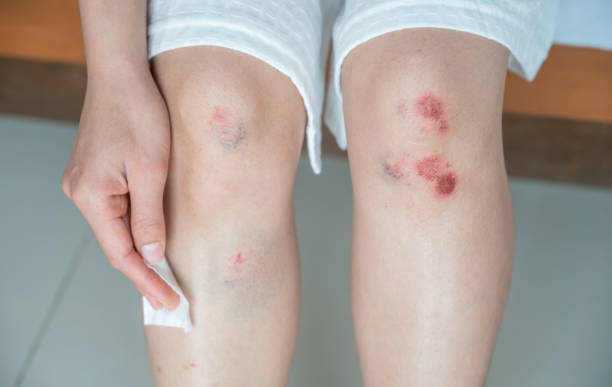
Soft Tissue Injuries
HOW TO TREAT SOFT TISSUE INJURIES “RICE”
REST
Have the person stop moving and sit or lie down to remain still and avoid further injury.
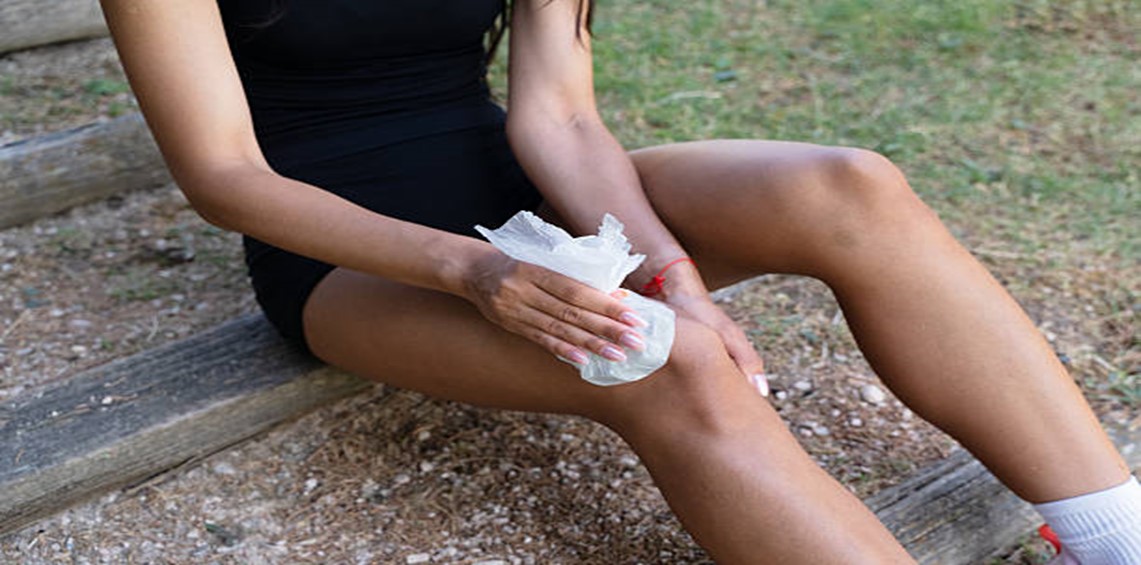
ICE
If available, wrap ice in a cloth and hold it on the injury for 15 minutes.
If ice is not available, cool water can be poured over the injury, or cloths soaked in cool water can be applied for 15 minutes to help reduce swelling.
Repeat this process 4 times a day to minimize swelling and relieve pain.
COMPRESS
Apply gentle pressure to the injured area.
Pressure can be applied by wrapping a thick cloth or bandage around the injury.
Ensure the wrap is firm but not too tight, so blood can still flow to the injured area.
If the person loses feeling in the area or if the skin becomes discolored, loosen the wrap immediately.
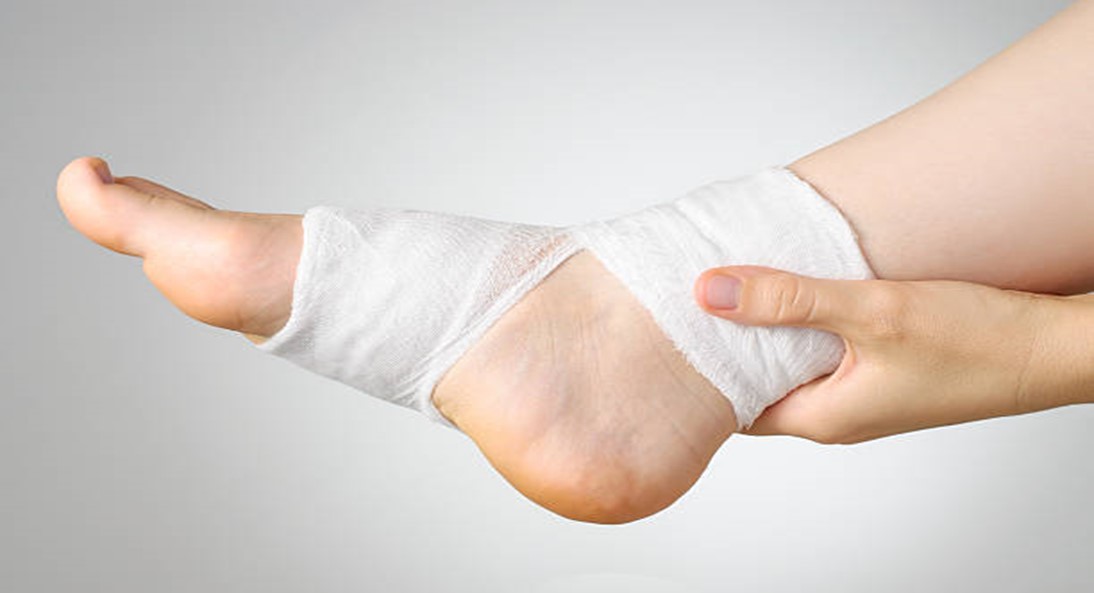
Loosen the bandage every 2 hours to allow blood circulation to the end of the limb.
ELEVATE
Raise the injured body part above the level of the heart to help reduce swelling and allow gravity to pull fluid back toward the heart.
After 2 days, begin soaking the injury in warm water 4 times a day for 15 minutes each session.
Ensure the water is comfortably warm to avoid burns.
Soft tissue injuries typically take 3-4 weeks to heal.
During this period, the person should be encouraged to gradually increase use of the injured limb.
Continue to wrap and elevate the injured area as needed.
Soft tissue injuries refer to injuries such as:
Ankle sprains
Pulled muscles
Other injuries to muscles or joints
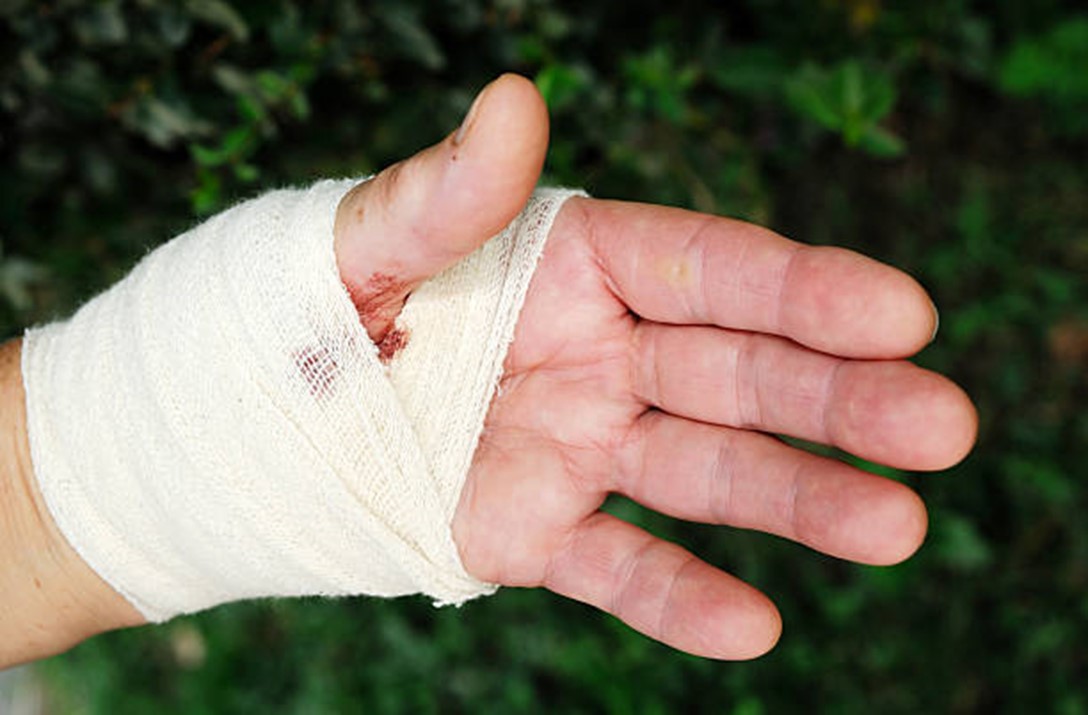
Causes of soft tissue injuries include:
Sports activities
Outdoor work
Falls
Road traffic accidents
Soft tissue injuries can cause internal bleeding, which may lead to severe blood loss, infection, and shock.
Knowing how to treat these injuries promptly can save a life.
If the person’s throat is blocked, place them in the recovery position to allow secretions, saliva, or vomit to flow out of the mouth.
Breathing: Check if the person is able to breathe normally.
WHEN TO SEEK MEDICAL HELP
Seek medical attention if:
The pain or swelling has not decreased after 2 days.
The person has no feeling at the site of the soft tissue injury.
The person cannot move the injured limb or extremity.
The injured extremity appears droopy or deformed.
A few days after the injury, the person develops a fever or the injured area feels hot.
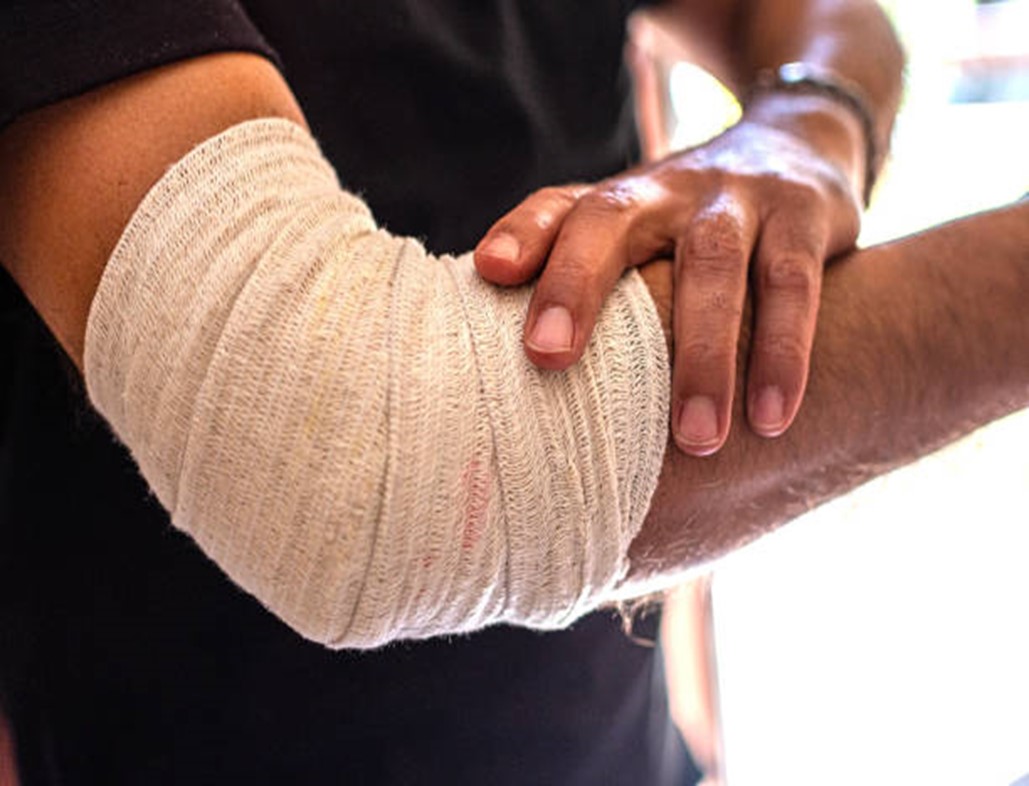
Review the RICE acronym with the class:
R – Rest
I – Ice
C – Compression
E – Elevation
SPRAINED ANKLE EXAMPLE
The most common soft tissue injury is a sprained ankle, where the ligaments are torn, causing significant pain and swelling, sometimes with bruising.
Sprained ankles often prevent walking, and there is a special wrapping technique that helps ensure proper healing.
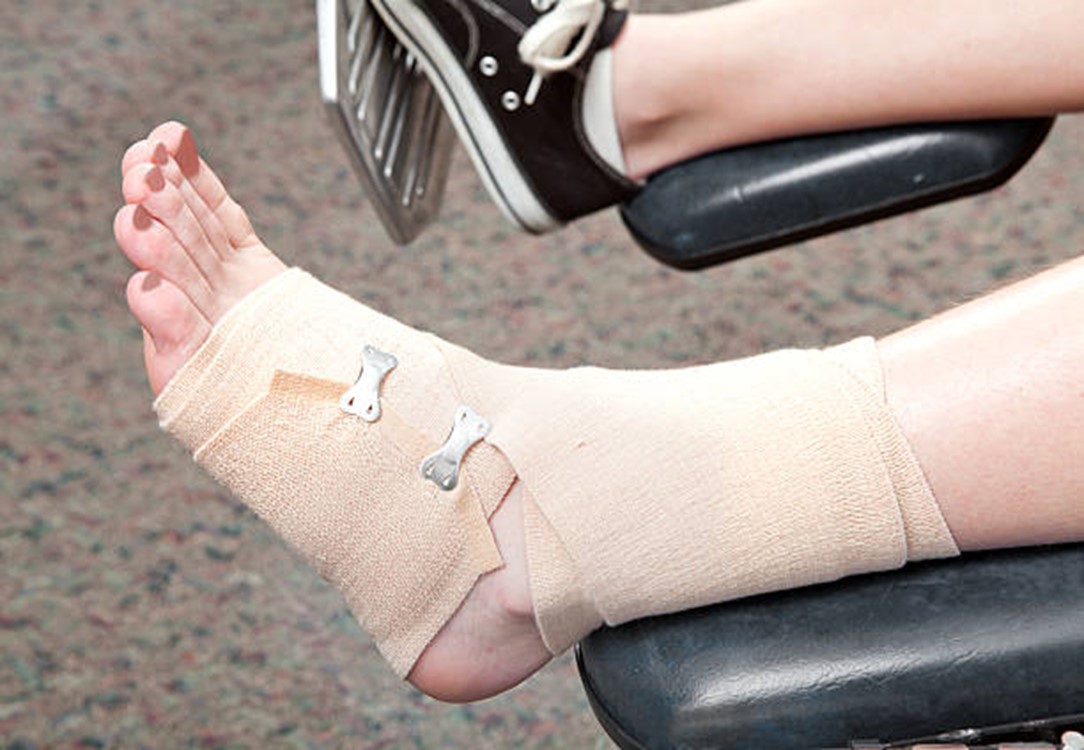
A long strip of cloth can be used, but elastic bandages are preferred if available from a pharmacy.
Start at the toes and wrap around the foot a few times to create a secure base.
Next, wrap the bandage around the ankle and bring it back down to the foot.
Repeat this process, alternating between the foot and ankle, several times until the ankle feels firmly supported.
Fasten the bandage using tape, or tuck the tail end into the wrap to secure it in place.