Burns
Burn injuries are extremely painful and can be life-threatening if not treated properly.
The World Health Organization estimates that 195,000 deaths occur each year due to burn injuries.
Burn injuries can result from:
Fire
Heat
Electricity
Chemicals
Radiation
Friction
Burn injuries most commonly occur in the home or workplace.
Women are at a higher risk than men for burns, often due to open-fire cooking and wearing loose-fitting clothing.
Children are also at high risk because of a lack of adult supervision.
In the African region, infants experience three times more deaths from burns than infants in other parts of the world.
TYPES OF BURNS
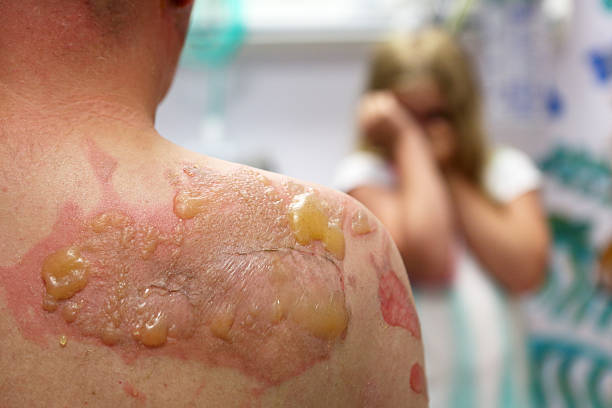
SUPERFICIAL BURNS
The burn affects only the top layer of the skin.
No blisters are present, and the skin is not broken.
These burns are painful.
The affected area is red.
PARTIAL-THICKNESS BURNS
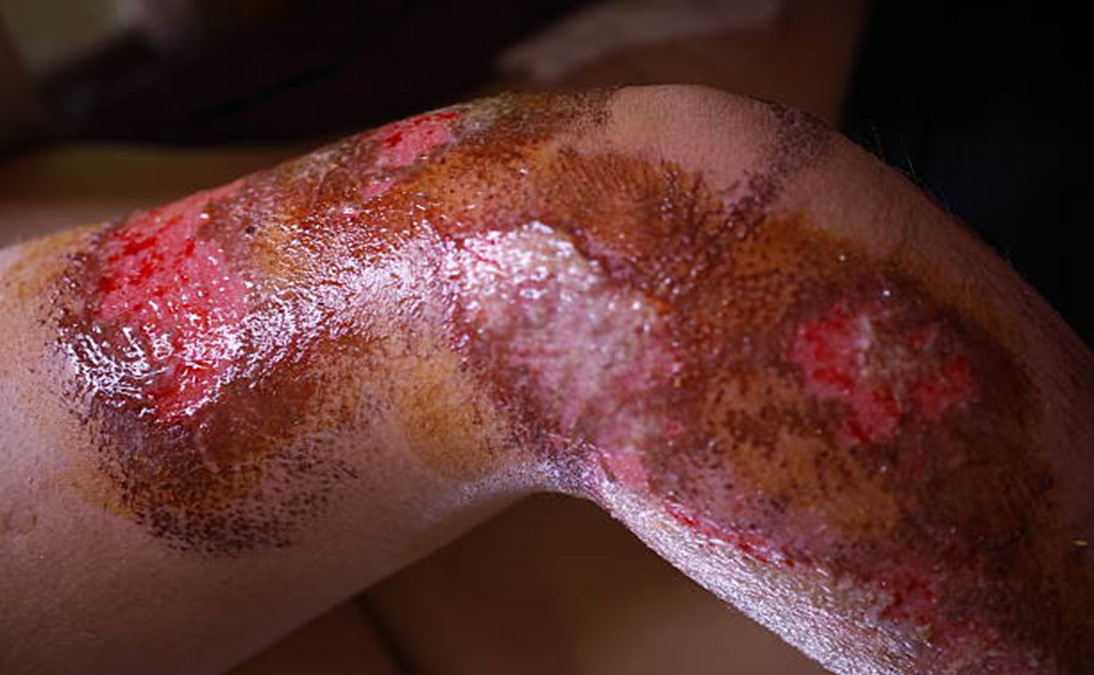
The burn penetrates deeper into the skin, but the skin is still intact.
These burns often have moisture and oils on the surface.
Blisters typically form.
The affected area can be red or white and is much more painful than superficial burns.
FULL-THICKNESS BURNS
These burns are painful.
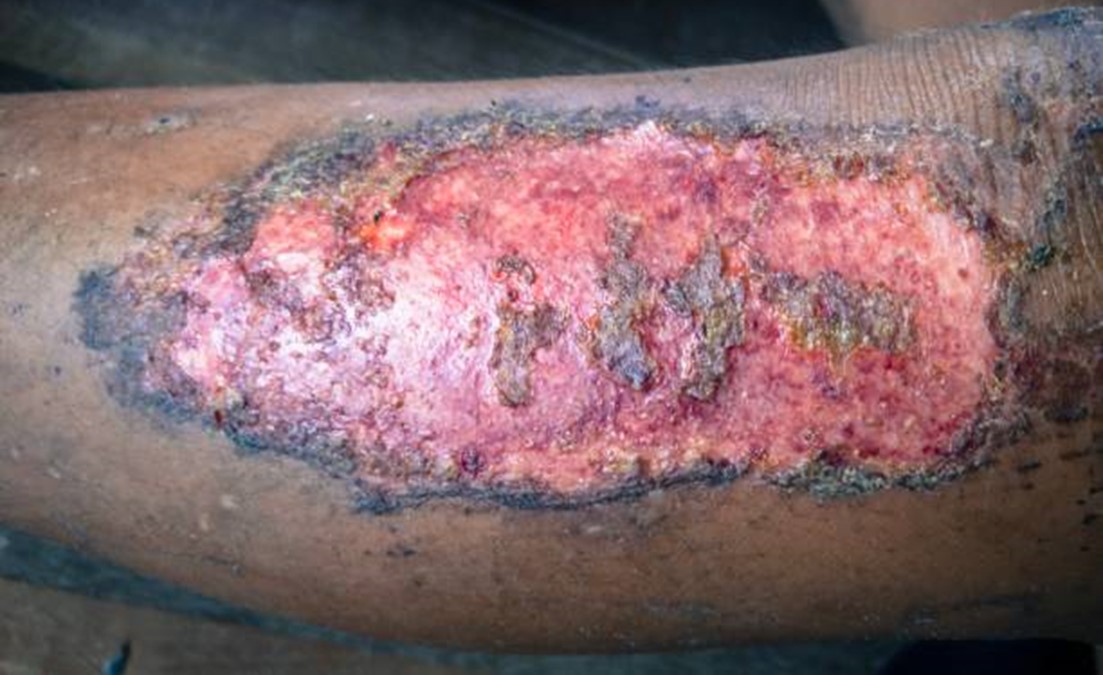
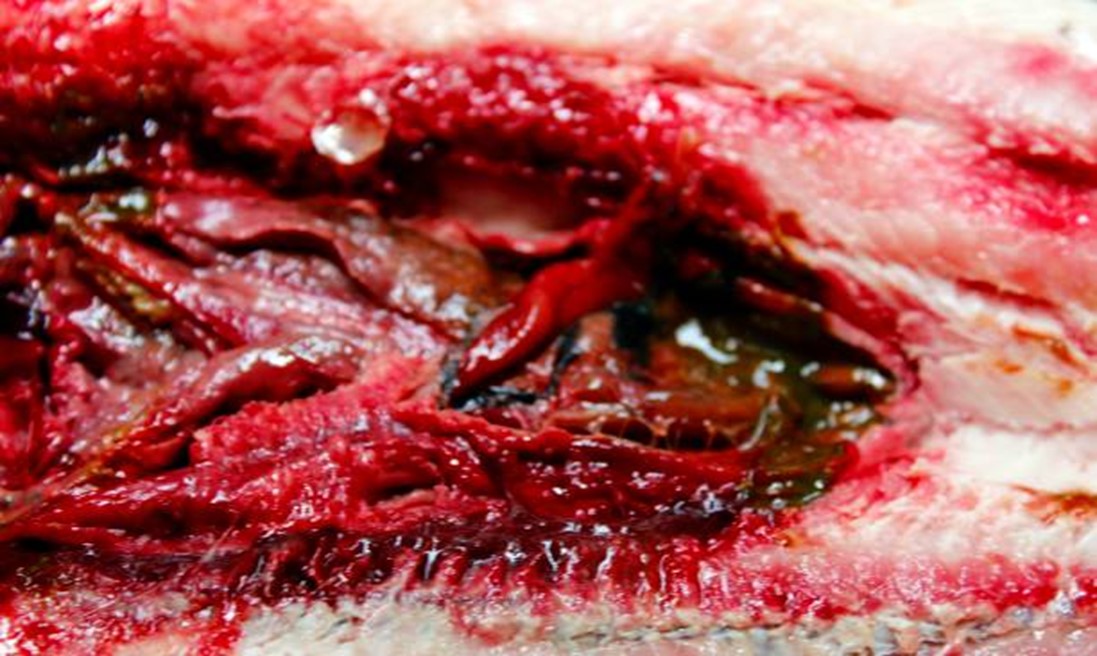
The burn extends through all layers of the skin and may reach deeper tissues such as fat, muscles, bones, or organs.
These burns can appear white, dark brown, or ashen.
Full-thickness burns are typically dry.
Because the burn may destroy nerve endings, the person may not feel pain in the burned area.
However, the surrounding tissue is often extremely painful.
HOW TO TREAT BURNS
Perform DR ABC (Danger, Response, Airway, Breathing, Circulation).
DANGER
Check if the scene is safe before approaching.
Identify the cause of the burn and ensure it will not harm you.
If the person is on fire, immediately pour water on the flames.
Help the person roll on the ground to extinguish the fire on their body.
Ask someone nearby to assist you in helping the person with the burn.
RESPONSE
Ask the person if they can hear you.
Check if they are conscious by asking them to state their name or respond to simple questions.
If they are unconscious but have no head, neck, or back injuries, place them in the recovery position.
If they are unconscious due to the burn, they must be seen by medical personnel immediately.
Ensure someone contacts medical help and confirms that assistance is on the way.
AIRWAY
Is anything causing the person to not be able to breathe (Secretions, objects, tongue)?
Remember, head-tilt, chin-lift (no head, neck, or back injury) and jaw thrust maneuvers (head, neck or back injury).
BREATHING
Check if anything is blocking the person’s airway, such as secretions, objects, or the tongue.
To open the airway:
Use the Head-Tilt, Chin-Lift Maneuver if there is no head, neck, or back injury.
Use the Jaw Thrust Maneuver if there is a suspected head, neck, or back injury.
CIRCULATION
Check if the person’s heart is beating by listening to the chest or feeling for a pulse in the neck (carotid pulse).
Observe if their skin color is normal.
Check for abnormal sweating, which may indicate shock or distress.
NOW PROCEED TO TREAT THE BURN
IF THE CONDITION ALLOWS
Use clean water (boiled and cooled) to pour over the burn.
If only non-purified water is available, it can also be used.
Ensure the water is not too cold, as this may cause the person to become too cold.
Pouring water over the burn helps to reduce pain and prevent the burn from penetrating deeper into the skin and body.
Continue to pour water over the burn for 15–20 minutes.
If water is not available, cooled milk or bottled drinks can be used as an alternative.
For large burns, keep the person warm, as severe burns can lead to significant body heat loss.
Wrapping the person in a blanket can help retain body heat.
If possible, wear gloves or plastic bags on your hands while treating the burn to prevent infection.
TREATING BURNS THAT NEED MEDICAL ATTENTION
Ask someone to secure medical help immediately.
Use only a small amount of cool water on the burn, as using too much could cause the person to lose excessive body heat.
Elevate the burned area above the to help reduce swelling. level of the heart
Keep the burn covered to protect it from wind, debris, and contamination.
Continuously monitor the ABCs (Airway, Breathing, Circulation) until medical help arrives.