Dmv Permit Test 81

By Teacher David Global  •  Free

1. If a tire suddenly blows out while you are driving, you should:
A. Grip the steering wheel firmly, slow down, and exit the traffic lane.
B. Pump the brakes rapidly.
C. Brake hard and steer toward the right edge of the roadway.
2. If you are driving and the rear end of your car starts skidding to the left, you should:
A. Steer to the right.
B. Steer to the left.
C. Tap your brakes lightly and shift into neutral.
3. You are merging onto an interstate highway. You should:
A. Select a safe gap and merge into the lane of traffic.
B. Merge across two lanes at once.
C. Always stop before entering the highway.
4. You may be able to identify an aggressive driver by:
A. Their erratic and improper lane changes.
B. The number of passengers in their car.
C. Their tendency to drive slowly.
5. You must obey instructions from school crossing guards:
A. At all times.
B. Only during school hours.
C. Unless you do not see any children present.
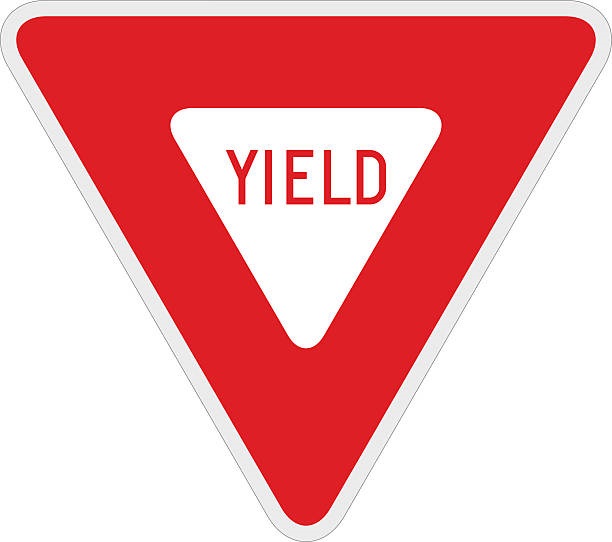
6. This sign is a:
A. Yield sign.
B. School crossing sign.
C. Stop sign.
7. In Arkansas, shared center lanes can be used:
A. To turn left.
B. To merge into a traffic lane following a left turn.
C. Both of the above.
8. When a school bus is stopped on the road ahead to load or unload children, you must:
A. Come to a complete stop until all the children have left the bus.
B. Come to a complete stop until the red lights stop flashing and the stop arm is withdrawn.
C. Change lanes, drive slowly, and pass the bus cautiously.
9. In rainy weather, you should be most careful when turning or stopping:
A. After it has been raining all day.
B. One half hour after it stops raining.
C. During the first half hour of rain.
10. Double solid yellow line markings down the center of a road indicate that passing is:
A. Allowed from both directions.
B. Allowed only from your direction of travel.
C. Not allowed from either direction.
11. At a red traffic light with a green arrow, you may proceed in the direction of the arrow if:
A. You first come to a complete stop.
B. You wait until the light changes.
C. You are in the proper lane and the roadway is clear.
12. Trucks' blind spots are:
A. Directly behind the body.
B. On the immediate left of the cab.
C. Both on the immediate left of the cab and directly behind the body.
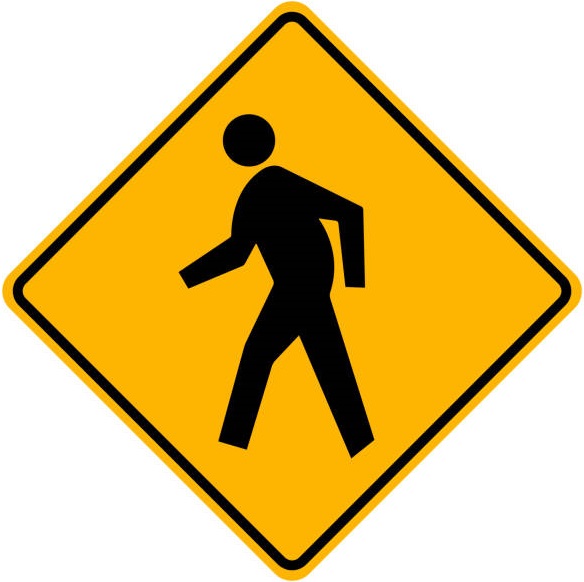
13. This road sign means:
A. Pedestrian crossing.
B. School crossing.
C. Jogging trail.
14. It is necessary to use your low beams any time you are:
A. On a lighted street.
B. On a freeway.
C. In fog.
15. When passing another vehicle:
A. Pass the vehicle as slowly as possible.
B. Drive at the same speed as the vehicle you are passing.
C. Pass the vehicle as safely and as quickly as possible.
16. When passing on the left of a vehicle, it is safe to move back into the right lane:
A. After about three seconds.
B. When you can no longer see the vehicle over your right shoulder.
C. When you can see the front of the vehicle in your rearview mirror.
17. If a truck or bus is making a right turn where you also need to make a right turn, you should:
A. Quickly turn before the truck or bus is able to.
B. Wait until the truck or bus turns before you turn.
C. Squeeze between the truck or bus and the curb.
18. Vehicles stopped behind a school bus with its red lights flashing must remain stopped until:
A. All students are off the bus.
B. The stop arm is retracted.
C. The stop arm is retracted and the bus resumes motion.
19. Continuous hard braking on ice and snow often:
A. Helps you stop faster.
B. Locks the front wheels of a vehicle, causing a loss of steering.
C. Keeps the brakes from freezing.
20. If you are feeling fatigued while driving, you should:
A. Increase your speed to reach your destination more quickly.
B. Increase the volume of your radio.
C. Find a safe parking area to take a short nap.
21. At dawn or dusk and in rain or snow, it can be hard to see and be seen. A good way to let other drivers know you are there is to turn:
A. Up the instrumental panel lights.
B. On your parking lights.
C. On your headlights.
22. Which of these statements is true about drinking alcohol and driving?
A. If you can walk in a straight line after drinking, it is safe to drive.
B. If you are under the legal blood alcohol concentration limit, your driving isn't impaired.
C. Alcohol affects judgement, which is needed to drive safely.
23. On a freeway, you should look farther ahead than you would on a city street:
A. In order to see potential hazards early.
B. Because it takes a quarter of a mile to stop your vehicle completely.
C. Because it helps you keep up with traffic.
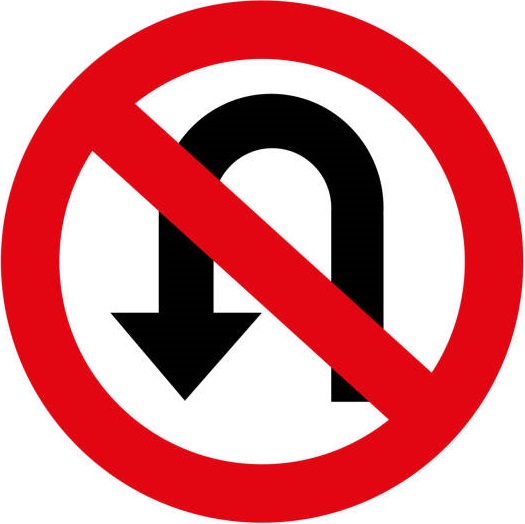
24. This sign means:
A. No U-turn.
B. No turning.
C. No left turn.
25. A steady red arrow displayed on a traffic light means:
A. Drivers cannot turn in the indicated direction.
B. Drivers may turn in the indicated direction after coming to a complete stop.
C. Drivers may turn in the indicated direction.