Dmv Permit Test 82

By Teacher David Global  •  Free

1. The center of the roadway is marked with one solid yellow line and one broken yellow line. If the broken yellow line is directly next to your traffic lane, it means:
A. You are not allowed to pass in this area.
B. You are in a passing zone and it is safe for you to pass other vehicles on the left if no oncoming traffic is present.
C. You are only allowed to make right turns in this area.
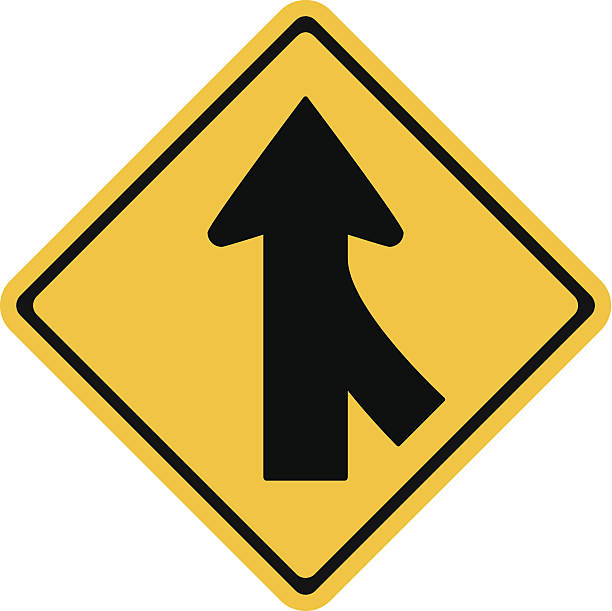
2. This yellow sign means:
A. One lane ahead.
B. Merging traffic ahead.
C. Lane ends ahead.
3. You may legally block an intersection:
A. If you entered the intersection on the green light.
B. During rush hour traffic.
C. Under no circumstances.
4. When changing lanes:
A. Rely on the rearview mirror.
B. Look over your shoulder in the direction you plan to move.
C. Rely on the left side mirror.
5. Use your headlights on rainy, snowy, or foggy days:
A. To keep your engine warm.
B. So others can see your vehicle.
C. To warn others of bad weather conditions.
6. When approaching an intersection that is controlled by a flashing red traffic signal, you must:
A. Come to a complete stop, yield to oncoming traffic or pedestrians, then proceed.
B. Reduce your speed and proceed with caution.
C. Come to a complete stop and remain stopped as long as the light is red.
7. What does a traffic signal with a yellow left arrow indicate?
A. Drivers should prepare to yield to oncoming traffic.
B. The protected left turn is about to end.
C. Both of the above.
8. When entering an interstate highway, you should:
A. Stop, check for cars, and enter when safe.
B. Check for cars and reduce your speed to 25 mph before entering the traffic lane.
C. Check for cars, increase your speed to match the flow of traffic, and merge when the way is clear.
9. When you are facing a green light and there are pedestrians in the intersection:
A. You must yield the right-of-way to pedestrians.
B. You have the right-of-way over pedestrians.
C. Pedestrians must wait for you to cross.
10. Large trucks are likely to lose speed when:
A. Driving up long or steep hills.
B. Driving in long, gradual curves.
C. Driving down long, gradual hills.
11. While driving at night, a vehicle coming toward you has its high beams on, making it hard for you to see the road ahead. You should:
A. Look ahead toward the left edge of your lane.
B. Look ahead toward the right edge of your lane.
C. Look straight ahead in your lane.
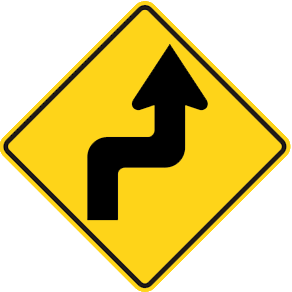
12. This road sign means:
A. Sharp right turn ahead.
B. A road joins from the right.
C. The road ahead turns sharply right then sharply left.
13. You should not start across an intersection if you know you will block the intersection when the light turns red:
A. Under any circumstances.
B. Unless you entered the intersection on a yellow light.
C. Unless you entered the intersection on a green light.
14. When you see this sign, you should stop and:
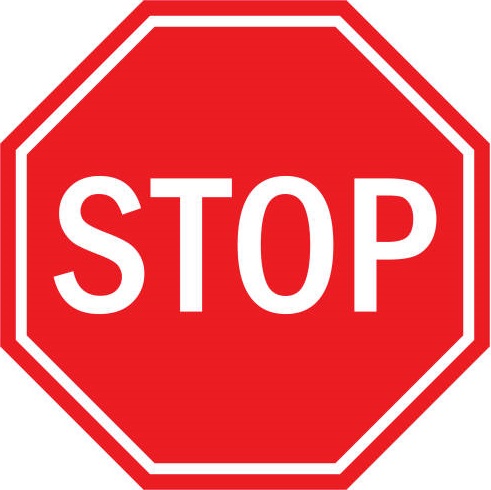
A. Check for vehicles only in the direction that you plan on going, then proceed.
B. Let all vehicles that arrive before or after you go first.
C. Check for traffic in all directions before proceeding.
15. You are approaching an intersection with a steady yellow traffic light. If you have not already entered the intersection, you should:
A. Speed up to beat the red light.
B. Reduce you speed and proceed carefully through the intersection.
C. Come to a safe stop.
16. When changing lanes, you can check your blind spot by:
A. Using the inside rearview mirror.
B. Turning your head and looking over your shoulder.
C. Using your side mirror.
17. When backing up:
A. Look through the rear window.
B. Press hard on the gas pedal.
C. Rely only on your rearview mirror.
18. When driving in work zones, you should:
A. Increase your speed to get through the zone as quickly as possible.
B. Reduce your speed and be prepared to stop suddenly.
C. Maintain your normal speed the whole way through the zone.
19. If a motorist sees pedestrians in an upcoming crosswalk, what should the motorist do?
A. Continue ahead. The motorist has the right-of-way.
B. Wait for the pedestrians to cross the street.
C. Pull to the right and go around the pedestrians.
20. If you see orange construction signs and cones on a freeway, you must:
A. Slow down because the lane ends ahead.
B. Be prepared for workers and equipment ahead.
C. Change lanes and maintain your current speed.
21. Collisions are more likely to happen when:
A. All vehicles are traveling at about the same speed.
B. One lane of traffic is traveling faster than the other lanes.
C. One vehicle is traveling faster or slower than the flow of traffic.
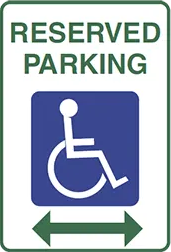
22. This sign means:
A. Reserved parking for persons with disabilities.
B. Slow-moving vehicle.
C. No U-turn.
23. Which of these statements is true about changing lanes?
A. You only need to turn and look over your right shoulder for lane changes to the right or left.
B. Look over your right shoulder for a right lane change and your left shoulder for a left lane change.
C. Vehicles with two outside mirrors do not have blind spots.
24. You should not use your horn:
A. When visibility ahead is limited.
B. If you might hit another vehicle.
C. Near blind pedestrians.
25. Which of these statements is true about driving and taking medications?
A. Most cold medications can make a person drowsy.
B. Over-the-counter medications cannot impair driving ability if taken in the recommended dosages.
C. Medications are safe to take at any time, if prescribed by a doctor.