Dmv Permit Test 83

By Teacher David Global  •  Free

1. Extra space in front of a large truck is needed for:
A. Other drivers to merge onto the freeway.
B. The truck driver to stop the vehicle.
C. Other drivers when they want to slow down.
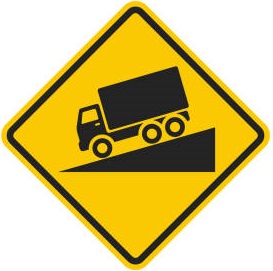
2. This road sign means:
A. Intersection ahead.
B. Steep grade ahead.
C. Winding road.
3. If you find that the roadway ahead of you is flooded, you should:
A. Slam on the brakes.
B. Not drive through the flooded area. Turn around and find another route.
C. Drive only in the center of the roadway.
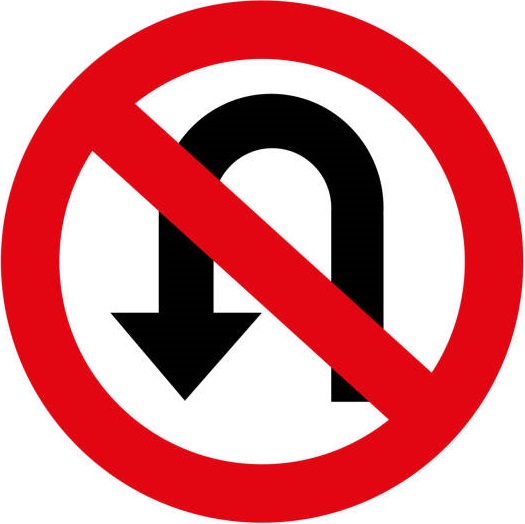
4. This sign means:
A. No U-turn.
B. Traffic signal ahead.
C. Railroad ahead.
5. You hit a parked vehicle and can't find the owner. What must you do?
A. Call your insurance company when you get home.
B. Wait for the owner to return.
C. Leave a note with your name and address on the parked vehicle.
6. When driving behind another vehicle at night, you should:
A. Keep your headlights on the low beam setting.
B. Use your high beam headlights until you are within 10 feet of the vehicle ahead.
C. Use your high beam headlights.
7. Always stop before crossing railroad tracks when:
A. There isn't room on the other side for you to completely cross the tracks.
B. The railroad crossing is located in a city or town that has frequent train traffic.
C. You are transporting two or more young children in a passenger vehicle.
8. Before stopping your vehicle at a traffic signal or sign, you should:
A. Press down hard on the accelerator.
B. Check your mirrors for surrounding traffic.
C. Set the parking brake.
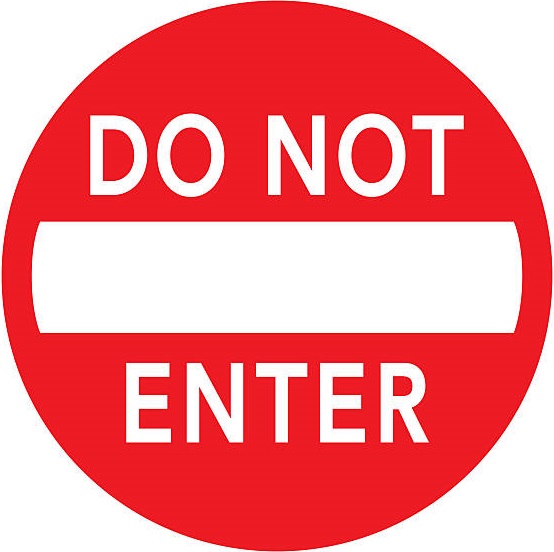
9. This sign means:
A. Do not enter.
B. Yield the right-of-way.
C. Reserved parking for persons with disabilities.
10. What is the purpose of rumble strips?
A. They alert drivers to potential tire problems.
B. They test a vehicle's shock absorbers.
C. Through vibration and sound, they alert inattentive drivers to the fact that their vehicles have left the travel lane.
11. You are preparing to exit the interstate. When should you start reducing your speed?
A. About halfway through the deceleration lane.
B. As you approach the deceleration lane.
C. Immediately upon entering the deceleration lane.
12. When taking any medicine, you should:
A. Consult your doctor about the effects before driving.
B. Have someone follow you home.
C. Keep your window open and drive more slowly.
13. Hydroplaning occurs when tires ride on a thin film of water instead of on the surface of the road. To prevent hydroplaning in rainy weather, you should:
A. Put on your cruise control to maintain a constant speed.
B. Decrease your speed.
C. Move to the shoulder of the road as soon as it starts to rain.
14. Drivers may pass another vehicle by using the shoulder of a road:
A. When the shoulder is paved.
B. When the other vehicle is waiting to turn left.
C. Under no circumstances.
15. As you approach an intersection with a flashing yellow light:
A. Stop before crossing the intersection.
B. Slow down and proceed with caution.
C. Wait for a green light before proceeding.
16. Which of the following is not a safe driving practice when driving on the interstate?
A. Slower traffic must keep to the right.
B. Change lanes without signaling.
C. If you miss your exit, you must go to the next exit.
17. If there is no crosswalk and you see a pedestrian crossing your lane, you should:
A. Make sure the pedestrian can see you before proceeding.
B. Cautiously drive around the pedestrian.
C. Stop and let the pedestrian finish crossing.
18. A broken yellow line beside a solid yellow line indicates that:
A. Passing is permitted from the lane next to the solid yellow line.
B. Passing is not permitted from either direction.
C. Passing is permitted from the lane next to the broken yellow line.
19. When a car with bright headlights drives toward you at night, you should:
A. Stop until the other driver passes.
B. Look below their headlights.
C. Glance toward the right edge of your lane.
20. This sign means:
A. Trucks under 18,000 pounds are allowed.
B. Hill ahead.
C. Truck stop ahead.
21. A broken yellow line between two lanes of traffic means:
A. Both lanes of traffic are going in the same direction.
B. Passing is permitted when it's safe.
C. Passing is not permitted.
22. When driving in fog, you should:
A. Slow down and use your low beam headlights.
B. Slow down and use your high beam headlights.
C. Turn your lights on and off to warn other drivers.
23. When passing another vehicle, it is safe to return to your lane if you:
A. Cannot see the vehicle directly to your right.
B. See the vehicle’s headlights in your rearview mirror.
C. Have passed the other vehicle’s front bumper.
24. If you are being passed in a no passing zone, you should:
A. Pull off the road.
B. Maintain your speed and position.
C. Slow down and let the other driver safely return to the drive lane.
25. If you come to an intersection and your view to the side is blocked, you should:
A. Slow down and look both ways.
B. Maintain your speed and look both ways.
C. Stop, then inch forward until you can see clearly in both directions.