Dmv Permit Test 55

By Teacher David Global  •  Free

1. How many alcoholic drinks does it take to affect your driving ability?
A. Three
B. Two
C. One
2. You may cross double yellow lines to pass another vehicle if the:
A. Vehicle in front of you moves to the right to let you pass.
B. Yellow line next to your side of the road is broken.
C. Yellow line next to the opposite side of the road is broken.
3. When driving on the highway, consistently looking far ahead of your vehicle:
A. Helps you keep up with traffic.
B. Reduces the need for last-minute braking or turning.
C. Allows you to spot upcoming police officers.
4. When turning left at an intersection:
A. You should always yield to oncoming traffic and pedestrians.
B. Oncoming traffic and pedestrians should yield to you.
C. You should never yield to oncoming traffic and pedestrians.
5. Excessive speed:
A. Does not increase the chance of a crash.
B. Increases your ability to react to a hazard.
C. Often leads to high-risk decision-making.
6. Always stop before crossing railroad tracks when:
A. There isn't room on the other side for you to completely cross the tracks.
B. The railroad crossing is located in a city or town that has frequent train traffic.
C. You are transporting two or more young children in a passenger vehicle.
8. You should use your horn when:
A. Another vehicle is in your way.
B. It may help prevent a collision.
C. Another driver makes a mistake.
9. This sign is a warning that you are approaching:
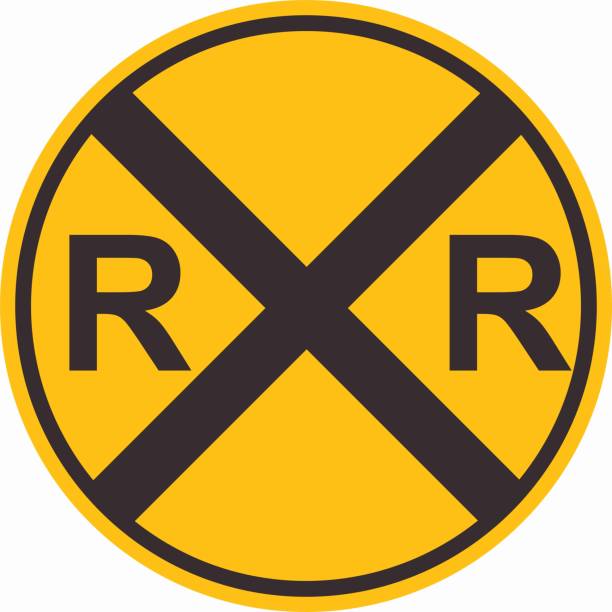
A. An intersection.
B. A crosswalk.
C. A railroad crossing.
10. What can you do to reduce road rage?
A. Always signal your intention when changing lanes.
B. Talk on your cell phone while driving.
C. Use your horn frequently.
11. When driving on a slippery surface, such as snow or ice:
A. Shift to a low gear before going down steep hills.
B. Maintain traction by following other vehicles closely.
C. Pump your brakes to keep them from freezing.
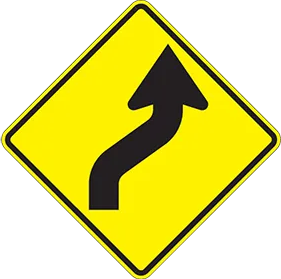
12. This road sign means:
A. Road construction ahead.
B. The road ahead curves left then right.
C. The road ahead curves right then left.
13. When backing up:
A. Look through the rear window.
B. Press hard on the gas pedal.
C. Rely only on your rearview mirror.
14. Double solid yellow lane markings mean that:
A. Neither lane may pass.
B. Both lanes may pass.
C. The lane to the right may pass.
15. As your speed increases, it is important to:
A. Turn on your headlights.
B. Look well ahead of your vehicle.
C. Change lanes frequently.
16. You can help keep the driver behind you a safe distance away from your vehicle by:
A. Driving 10 mph faster than the car behind you.
B. Driving 10 mph slower than the car behind you.
C. Maintaining a steady speed.
17. If oncoming headlights are blinding you while you are driving at night, you should:
A. Look toward the right edge of the road.
B. Switch your lights to high beams.
C. Turn your lights on and off.
18. Allow extra space in front of your vehicle when following a:
A. Station wagon.
B. Passenger vehicle.
C. Motorcycle.
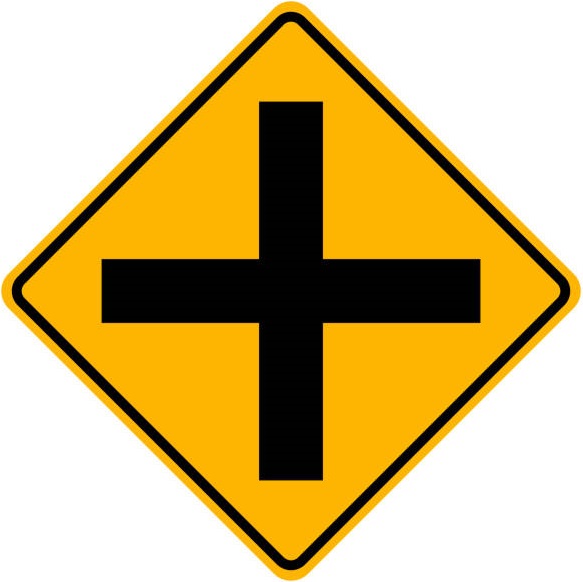
19. This road sign means:
A. Hospital.
B. Upcoming intersection.
C. Railroad crossing.
20. It is necessary to use your low beams any time you are:
A. On a lighted street.
B. On a freeway.
C. In fog.
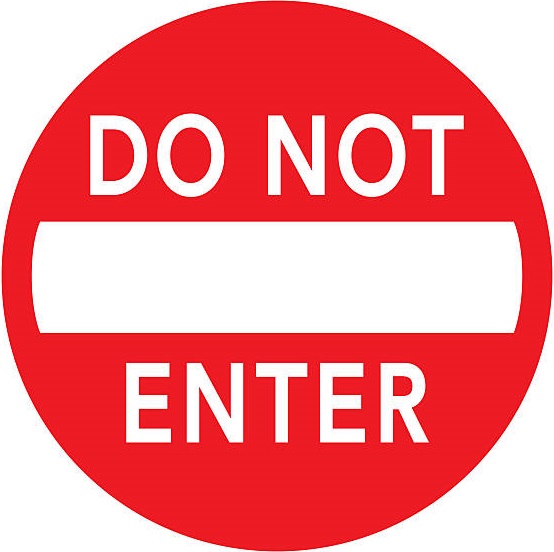
21. This sign means:
A. Do not enter.
B. Yield the right-of-way.
C. Reserved parking for persons with disabilities.
22. Increase your following distance when driving behind a large vehicle:
A. To better see around the sides of the vehicle.
B. Because other drivers tend to pull behind large vehicles before trying to pass them.
C. Because following too closely will get you caught in the vehicle's slipstream.
23. While driving at night, a vehicle coming toward you has its high beams on, making it hard for you to see the road ahead. You should:
A. Look ahead toward the left edge of your lane.
B. Look ahead toward the right edge of your lane.
C. Look straight ahead in your lane.
24. Water on the road can cause a vehicle to hydroplane. Your car may hydroplane at speeds as low as:
A. 45 miles per hour.
B. 35 miles per hour.
C. 40 miles per hour.
25. To avoid traction loss on wet roads, you should:
A. Make abrupt turns.
B. Apply the brakes firmly.
C. Slow down.
26. If you can see that the roadway up ahead is covered by heavy smoke, you should:
A. Turn on your four-way flashers and continue.
B. Reduce your speed, move as far to the right as possible, and stop off the roadway.
C. Turn on your high beam headlights and continue.
27. If you are approaching an intersection where the traffic light has changed from green to yellow:
A. You should proceed with caution.
B. You must clear the intersection before the light turns red.
C. You should come to a safe stop and wait for the light to turn green to proceed.
28. When driving in a construction zone:
A. Slightly increase your speed.
B. Expect the unexpected.
C. Expect construction workers to yield to motorists.
29. How do you check your blind spots?
A. By looking in your side mirrors.
B. By turning your head and looking over your shoulders.
C. By looking in your rearview mirror.
30. Which of the following factors affect an individual's absorption of alcohol?
A. Weight
B. Height
C. Intelligence