1. A broken yellow line between two lanes of traffic means:
2. "No zones" are areas around trucks where cars:
3. A steady yellow traffic signal light is a warning that the light is about to change to red. If you are already within the intersection when a green light changes to yellow, you should:
4. After you have passed a vehicle moving in the same direction, it is safe to move back into the right lane:
5. As you approach an intersection with a flashing yellow light:
6. A blood alcohol concentration of 0.02 percent:
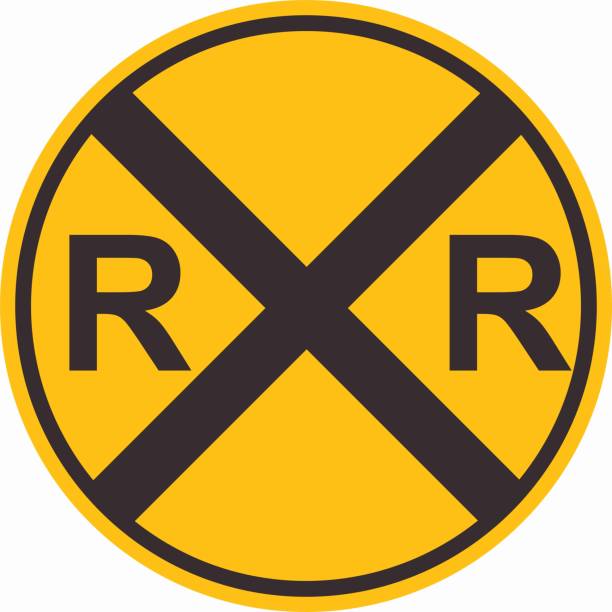
7. This sign means you are approaching a railroad crossing that does not have a signal. You should:
8. If you see orange construction signs and cones on a freeway, you must:
9. When driving under low-visibility conditions due to fog, you should:
10. If you find that the roadway ahead of you is flooded, you should:
11. When changing lanes, you should never:
12. Which of the following statements about driving speed is true?
13. When merging onto the freeway, you should be driving:
14. If you see a pedestrian using a guide dog or carrying a white cane:
15. When changing lanes:
16. You want to park downhill on a two-way road and there is no curb. Which way do you turn your front wheels?
17. Which lane must you be in before making a left turn from a one-way street?
18. When you drive through a construction zone, you should:
19. At dawn or dusk and in rain or snow, it can be hard to see and be seen. A good way to let other drivers know you are there is to turn:
20. If you have a sudden tire blowout:
21. You exit the freeway on a ramp that curves downhill. You should:
22. You may legally block an intersection:
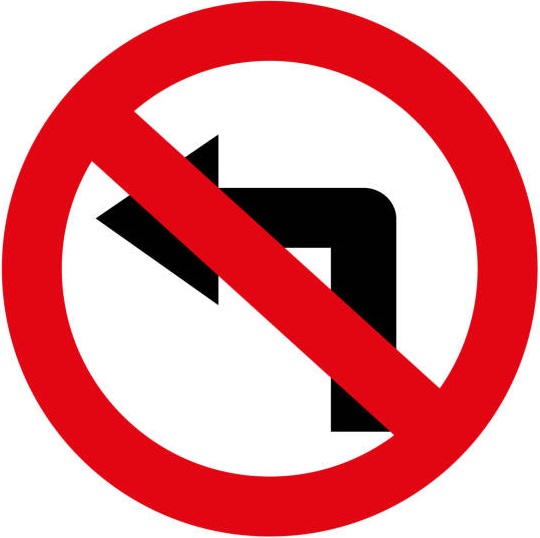
23. This sign means:
24. At intersections with a "Yield" sign, you must:
25. If bad weather makes it difficult for you to see clearly, you should:
26. A broken yellow line beside a solid yellow line indicates that passing is:
27. Which of these statements is true about changing lanes?
28. The speed limit when approaching a school crossing is:
29. A broken yellow line down the center of a road indicates that:
30. When you see an emergency vehicle approaching while using its flashing lights, you must: