Dmv Permit Test 70

By Teacher David Global  •  Free

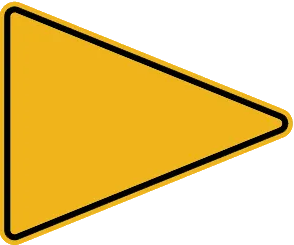
1. This sign means:
A. No passing zone.
B. Slow-moving vehicle.
C. Two-way traffic.
2. Drivers should leave a space cushion of ____ between themselves and the vehicle ahead of them.
A. One second
B. Three to six seconds
C. 10 seconds
3. When arriving to an uncontrolled intersection at the same time as vehicles to your right and left, you should:
A. Yield the right-of-way to the vehicle on your left.
B. Yield the right-of-way to the vehicle on your right.
C. Wait until there are no vehicles at the intersection before proceeding.
4. If you are facing a green traffic light but the intersection ahead is blocked by traffic, you should:
A. Turn left and find another route.
B. Stay out of the intersection until traffic clears.
C. Follow the other vehicles and enter the intersection.
5. If you are continually being passed on the right and the left while driving in the center lane of an expressway, you should:
A. Stay in the center lane.
B. Move to the lane on your right.
C. Move to the lane on your left.
6. You want to turn left at an upcoming corner. Yield the right-of-way to:
A. Oncoming vehicles also turning left.
B. All approaching vehicles.
C. Pedestrians on the sidewalk waiting for a "Walk" signal.
7. Bicyclists:
A. Should ride facing traffic.
B. Must stay in the right lane.
C. Must follow the same laws as motorists.
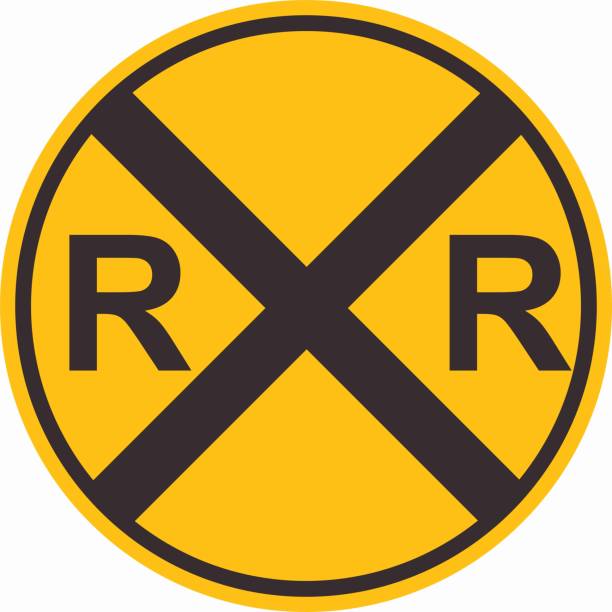
8. This sign indicates a:
A. Railroad crossing.
B. Pedestrian crossing.
C. No passing zone.
9. Make room for cars that are entering the freeway by:
A. Slowing down.
B. Merging into a different lane.
C. Maintaining your speed and position.
10. If you approach a traffic light with a red signal and a police officer directs you to go through the intersection without stopping, you should:
A. Stop until the light turns green.
B. Go through the intersection without stopping.
C. Come to a complete stop before proceeding.
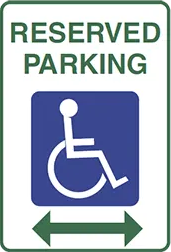
11. This sign means:
A. Reserved parking for persons with disabilities.
B. Slow-moving vehicle.
C. No U-turn.
12. What does a traffic signal with a yellow left arrow indicate?
A. Drivers should prepare to yield to oncoming traffic.
B. The protected left turn is about to end.
C. Both of the above.
13. A broken yellow centerline means that:
A. Passing is not permitted.
B. Passing on the right is permitted when the way ahead is clear.
C. Passing on the left is permitted when the way ahead is clear.
14. When driving on an interstate, to avoid traffic merging from on-ramps to your right, the best thing to do is to:
A. Change lanes to the left.
B. Slow down.
C. Maintain your speed and position.
15. A broken yellow centerline indicates that:
A. Passing is not permitted.
B. Passing on the right is permitted when the way ahead is clear.
C. Passing on the left is permitted when the way ahead is clear.
16. You drive defensively when you:
A. Put one car length between you and the car ahead.
B. Look only at the car in front of you while driving.
C. Keep your eyes moving to look for possible hazards.
17. You must notify MVD of an address change within:
A. 10 days.
B. 30 days.
C. 45 days.
18. When preparing to make a left turn from a two-way street, you should drive:
A. Near the right-hand side of the road.
B. Near the centerline.
C. On the left of the centerline.
19. When you see this yellow sign, you should:
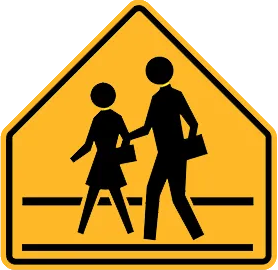
A. Always stop at the crosswalk.
B. Stop at the crosswalk until a crossing guards signals for you to go.
C. Be prepared to stop if children are in the crosswalk.
20. When a school bus is picking up or dropping off children, you must:
A. Stop, regardless of your direction of travel.
B. Stop if you are driving in the same direction.
C. Slow down and be prepared to stop.
21. If you parallel park facing downward on a hill:
A. Turn your wheels sharply toward the side of the road.
B. Turn your wheels away from the side of the road.
C. Keep your wheels straight.
22. Your license can be suspended if you are under 21 and drive with a blood alcohol level of:
A. 0.15 percent or more.
B. 0.08 percent or more.
C. Any amount.
23. There are two traffic lanes moving in your direction. You are driving in the left lane and many vehicles are passing you on the right. If the driver behind you wishes to drive faster, you should:
A. Stay in your lane so you don't impede the flow of traffic.
B. Drive onto the left shoulder to let the other vehicles pass.
C. Move into the right lane when it is safe.
24. The best way to avoid a dangerous situation while driving is to:
A. Know what is happening around your vehicle.
B. Turn off the radio.
C. Always keep your eyes focused ahead of your car.
25. If you want to enter the freeway but you don't see a gap in traffic, you should:
A. Maintain your speed and force the other drivers to create a gap.
B. Slow down on the ramp to wait for a gap.
C. Stop at the end of the ramp to wait for a gap.
26. You must yield the right-of-way to an emergency vehicle that is using its siren and flashing lights by:
A. Driving as closely to the right edge of the road as possible and stopping.
B. Moving into the right lane and driving slowly until it has passed.
C. Stopping immediately, even if you are within an intersection.
27. When driving in fog or mist, never put your headlights on the high beam setting because:
A. The light will reflect back into your eyes.
B. Approaching vehicles might not see you.
C. Vehicles behind you may follow too closely.
28. When crossing a sidewalk to enter traffic from an alley or driveway, drivers should:
A. Stop only if pedestrians are on the sidewalk.
B. Stop before driving onto the sidewalk or sidewalk area.
C. Expect pedestrians on the sidewalk to yield the right-of-way.
29. Alcohol is:
A. A stimulant.
B. An antihistamine.
C. A depressant.
30. When driving at night and approaching a car from behind, lower your high beam headlights when you are within:
A. 500 feet.
B. 100 feet.
C. 200 feet.