Dmv Permit Test 5

By Teacher David Global  •  Free

1. A steady green traffic light at an intersection means:
A. Increase your speed.
B. Adjust your mirrors.
C. You may continue through the intersection at a safe and reasonable speed, if it is clear to do so.
2. When a bicyclist is making a left turn:
A. They may use the left lane.
B. They may cut through all lanes.
C. They may wait on the side of the road.
3. When you see this yellow sign, you should:
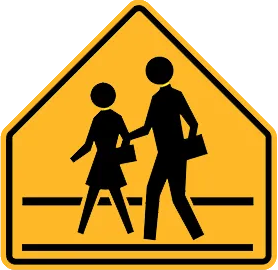
A. Always stop at the crosswalk.
B. Stop at the crosswalk until a crossing guards signals for you to go.
C. Be prepared to stop if children are in the crosswalk.
4. If you are driving near a large commercial vehicle, you should:
A. Follow the large vehicle closely to reduce wind drag on your vehicle.
B. Avoid driving beside it for long stretches of time.
C. Drive on its right side when on curves and hills.
5. You are approaching an intersection at the posted speed limit when the signal turns yellow. You should:
A. Slow down and proceed through the intersection without caution.
B. Speed up to cross the intersection before the light turns red.
C. Stop before entering the intersection, if you can do so safely.
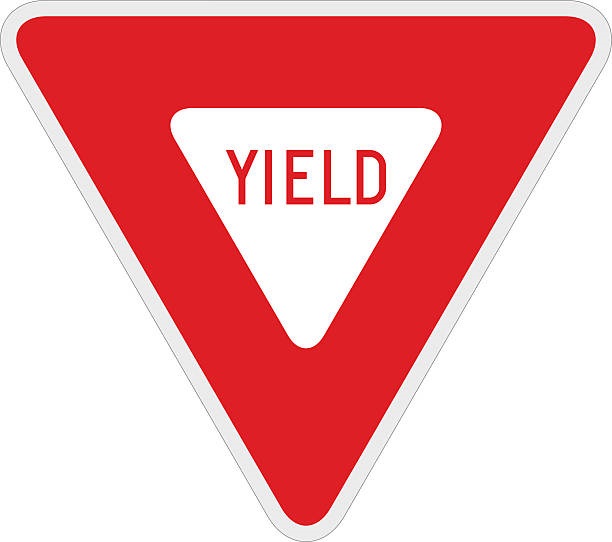
6. This sign means:
A. Yield the right-of-way.
B. No passing zone.
C. Reduction in lanes.
7. When a school bus is picking up or dropping off children, you must:
A. Stop, regardless of your direction of travel.
B. Stop if you are driving in the same direction.
C. Slow down and be prepared to stop.
8. When entering traffic after being parked at a curb, you:
A. Should drive more slowly than other traffic for 200 feet.
B. Should wait for a large enough gap to get up to the speed of traffic.
C. Should wait for the first two vehicles to pass, then drive into the lane.
9. It is necessary to use your low beams any time you are:
A. On a lighted street.
B. On a freeway.
C. In fog.
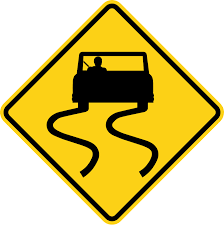
10. This sign means:
A. Slow down; curving road ahead.
B. Slow down and do not use your brakes.
C. Slow down; slippery when wet.
11. On a freeway, you should look farther ahead than you would on a city street:
A. In order to see potential hazards early.
B. Because it takes a quarter of a mile to stop your vehicle completely.
C. Because it helps you keep up with traffic.
12. When may you legally drive around or under a railroad crossing gate?
A. Never.
B. When you can see clearly in both directions.
C. When the warning lights are not flashing.
13. Which statement is true?
A. You should put on your cruise control near a railroad crossing to maintain a constant speed.
B. You must stop at a railroad crossing when directed to do so by a flagger or stop sign.
C. You have the right-of-way at a railroad crossing and do not need to stop.
14. While driving at night, a vehicle coming toward you has its high beams on, making it hard for you to see the road ahead. You should:
A. Look ahead toward the left edge of your lane.
B. Look ahead toward the right edge of your lane.
C. Look straight ahead in your lane.
15. What should you do when an emergency vehicle is approaching you while using its flashing red or blue lights?
A. Pull over to the side of the road and come to a complete stop.
B. Continue driving, but try to stay out of its way.
C. See if you can reach your destination before the emergency vehicle catches up to you.
16. If you approach a stopped school bus that has its lights flashing and signal arm extended, you should:
A. Stop.
B. Proceed at 15 mph if no children are present.
C. Proceed at normal speed, but watch for children.
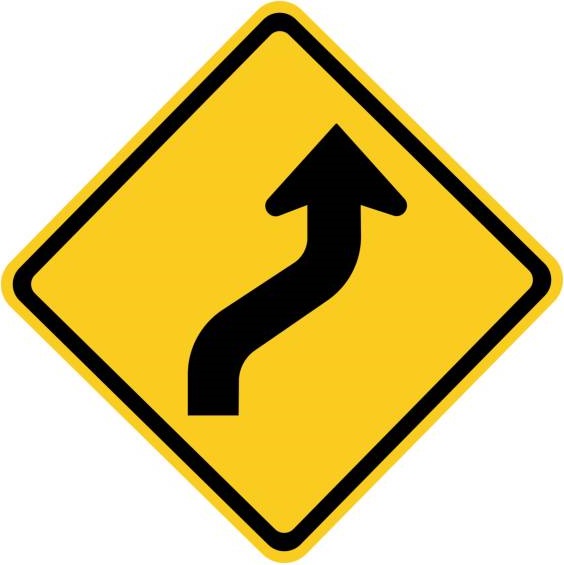
17. This road sign means:
teacherdavidglobal.com
A. Road construction ahead.
B. The road ahead curves left then right.
C. The road ahead curves right then left.
18. To prevent eye fatigue when driving at night, drivers should:
A. Stare straight ahead.
B. Continue moving their eyes and scanning the road.
C. Rest their eyes by closing them for a couple of seconds at a time.
19. When driving under snowy or icy conditions:
A. It is safe to use your cruise control.
B. Make speed and directional changes more gradually than you would otherwise.
C. Drive as you would under normal conditions.
20. You should use your horn when:
A. Another vehicle is in your way.
B. It may help prevent a collision.
C. Another driver makes a mistake.
21. A broken yellow line down the center of a road indicates that:
A. A construction zone is ahead.
B. Passing is not permitted from either direction.
C. Passing is permitted from either direction.
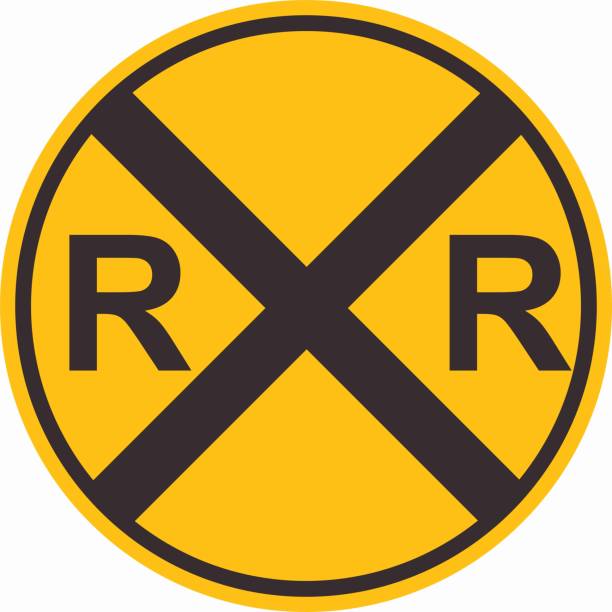
22. This sign means:
A. Stop sign ahead.
B. Railroad crossing ahead.
C. Construction ahead.
23. You see pedestrians near the road. You should:
A. Sound your horn and maintain your speed.
B. Speed up to clear the area quickly.
C. Slow down and pass with caution.
24. How many alcoholic drinks does it take to affect your driving ability?
A. Three
B. Two
C. One
25. When driving on the highway, consistently looking far ahead of your vehicle:
A. Helps you keep up with traffic.
B. Reduces the need for last-minute braking or turning.
C. Allows you to spot upcoming police officers.
26. A broken yellow line between two lanes of traffic means:
A. Both lanes of traffic are going in the same direction.
B. Passing is permitted when it's safe.
C. Passing is not permitted.
27. To improve visibility lowered by rain or fog, drivers should use their:
A. Low beam headlights.
B. High beam headlights.
C. Parking lights.
28. Roads with double solid yellow line markings down the center indicate that passing is:
A. Allowed from both directions.
B. Allowed only from your direction of travel.
C. Not allowed from either direction.
29. When driving in a construction zone:
A. Slightly increase your speed.
B. Expect the unexpected.
C. Expect construction workers to yield to motorists.
30. You want to turn left at an upcoming corner. Yield the right-of-way to:
A. Oncoming vehicles also turning left.
B. All approaching vehicles.
C. Pedestrians on the sidewalk waiting for a "Walk" signal.
31. When backing up:
A. Look through the rear window.
B. Press hard on the gas pedal.
C. Rely only on your rearview mirror.
32. If bad weather makes it difficult for you to see clearly, you should:
A. Speed up to get off the road quickly.
B. Drive in the lane closest to oncoming traffic.
C. Increase your following distance.
33. You are driving on a city street and see an emergency vehicle with flashing lights behind you. What should you do?
A. Drive to the right edge of the road and slow down.
B. Drive to the right edge of the road and stop.
C. Stay in your lane, slow down, and let it pass.
34. "No passing zone" signs tell drivers:
A. To speed up slightly.
B. That it is not safe to pass.
C. To maintain a steady speed.
35. Remove all snow, frost, and ice from:
A. Just the windshield.
B. All windows.
C. Just the windshield and passenger window.
36. A solid yellow arrow on a traffic signal means:
A. You should speed up so you can make the turn before the light changes.
B. You do not need to signal to turn from the indicated lane.
C. You should prepare to stop and yield the right-of-way to oncoming traffic.
37. Allow extra space in front of your vehicle when following a:
A. Station wagon.
B. Passenger vehicle.
C. Motorcycle.
38. As the percentage of alcohol (BAC) in your blood increases, you become:
A. More intoxicated.
B. More sober.
C. More coordinated.
39. When a school bus is stopped on the road ahead to load or unload children, you must:
A. Come to a complete stop until all the children have left the bus.
B. Come to a complete stop until the red lights stop flashing and the stop arm is withdrawn.
C. Change lanes, drive slowly, and pass the bus cautiously.
40. Water on the road can cause a vehicle to hydroplane. Your car may hydroplane at speeds as low as:
A. 45 miles per hour.
B. 35 miles per hour.
C. 40 miles per hour.