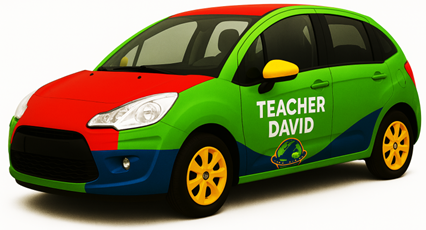
Kenya Driving School Vehicle Classes
CATEGORY A1 – MOTORCYCLES (BELOW 50CC)
Category A1 is the lowest motorcycle licence in Kenya.
With A1 you can ride:
Mopeds / small motorcycles
Engine capacity: 50 cc or below
Maximum speed: Typically 45 km/h or less (NTSA moped definition)

These are usually:
Small scooters
Mopeds
Light “boda-style” bikes restricted to 50cc
Electric equivalent scooters with similar power
WHAT YOU CANNOT DO WITH A1
A1 is very limited. Holders CANNOT:
Carry a passenger (no pillion passenger)
Carry goods or luggage
Ride any motorcycle above 50 cc
Ride a tricycle/tuk-tuk (Class A3 needed)
Ride a boda boda commercially (A2/A3 needed)
Drive any four-wheeled vehicle
It is meant strictly for personal mobility on very small motorcycles.
MINIMUM REQUIREMENTS
To obtain Class A1: Minimum age: 16 years
Must undergo:
A registered driving school course (A1 curriculum)
NTSA Theory Test
NTSA Practical Test on a 50cc motorcycle
Must have an ecitizen account
Must hold: A valid medical certificate (Form DL4)
TYPICAL VEHICLES IN A1
These are examples of vehicles you can ride:
50cc scooters (e.g., Peugeot Kisbee 50)
50cc mopeds (e.g., TVS XL 50)
Electric scooters limited to 4kW or below
Small two-wheelers designed for teens or learning riders
Anything above 50cc → You need A2 or A3.
WHY A1 EXISTS (PURPOSE OF THE CATEGORY)
A1 is designed for:
Teenagers (16–18 years) to learn safe riding
Urban mobility with very small motorcycles
Beginner riders before progressing to larger bikes
Low-risk, low-speed environments
WHEN TO UPGRADE
Most people upgrade from
A1 to A2: For motorcycles above 50cc, up to around 125cc or standard boda bikes.
A1 to A3: For commercial boda boda operations, motorcycles with passengers, three-wheelers (tuk-tuks)
SUMMARY TABLE (EASY VIEW)
|
Feature |
Category A1 |
|
Engine size allowed |
Up to 50cc |
|
Passengers |
Not allowed |
|
Carrying goods |
Not allowed |
|
Vehicle type |
Mopeds, small scooters |
|
Minimum age |
16 years |
|
Commercial use (boda)? |
Not allowed |
|
Three-wheelers? |
Not allowed |
|
Purpose |
Beginner / personal use |
CATEGORY A2 – MOTORCYCLES (ABOVE 50CC)
Category A2 permits operation of two-wheeled motorcycles with an engine capacity above 50cc, including those used for commercial, private, and delivery purposes.
It covers most motorcycles commonly used in Kenya.
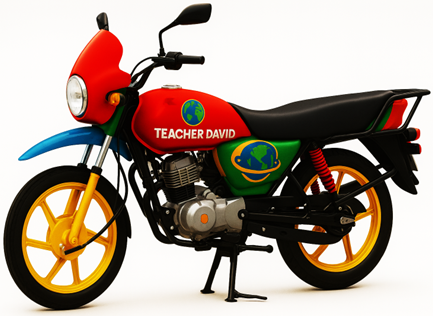
MOTORCYCLE TYPES COVERED
Commuter motorcycles
Boda-boda motorcycles
Courier/delivery motorcycles
Trail & light off-road motorcycles
Motorcycles with manual or automatic transmission
Excludes: Three-wheelers (Tuk-tuks – Category A3) and Quad bikes
TECHNICAL SPECIFICATIONS (TYPICAL A2 BIKES)
Engine capacity: 100cc – 250cc
Fuel system: Carburetor or fuel injection
Cooling: Air-cooled or oil-cooled
Braking system: Front disc brake (common) and Rear drum or disc brake
Transmission: Manual (4–6 gears) or automatic
REQUIRED DOCUMENTS (BY LAW)
Riders must carry:
Valid Category A2 driving licence
Motorcycle insurance cover
Motorcycle logbook or copy
Reflective number plates
INSURANCE REQUIREMENTS
Third-party insurance (minimum legal requirement)
Commercial riders are encouraged to have: Comprehensive cover and Personal accident cover
INSPECTION & ROADWORTHINESS
Motorcycles must have:
Functional brakes
Working headlights, tail lights, and indicators
Functional horn
Visible registration plates
Roadworthy tyres
Police may impound motorcycles that fail inspection.
COMMERCIAL (BODA-BODA) REQUIREMENTS
Rider must belong to a registered SACCO or association
Must wear reflective jacket with registration number
Motorcycle must display: Reflective stickers and operator identification
SPEED REGULATIONS
Follow posted speed limits
Riding at excessive speed is an offence
Dangerous riding may lead to: fines, arrest or licence suspension
ALCOHOL & DRUG RULES
Riding under the influence of alcohol or drugs is illegal
Penalties include: Heavy fines, licence cancellation or possible imprisonment
NTSA EXAM COVERAGE (A2 FOCUS AREAS)
Learners are tested on:
Road signs and markings
Motorcycle controls
Defensive riding
Passenger safety
Emergency braking
Traffic laws
PENALTIES & OFFENCES
Common offences include:
Riding without helmet – fine or arrest
Carrying excess passengers – fine
No insurance – heavy penalty
Riding without licence – prosecution
UPGRADE & ENDORSEMENT
After experience and training, riders may upgrade to: Category A3 – Large motorcycles
Additional tests are required
ADVANTAGES OF HOLDING A2
Legal commercial riding
Better employment opportunities
Reduced harassment by authorities
Improved safety and professionalism
CATEGORY A3 – THREE-WHEELERS (TUKTUKS)
Category A3 authorizes a driver to operate three-wheeled motor vehicles (tuktuks) for private or commercial use.
These vehicles are widely used for passenger transport and light cargo services in towns and urban areas across Kenya.
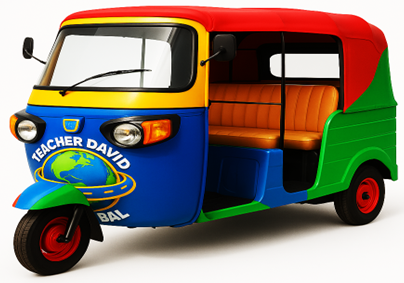
VEHICLE TYPE
Three-wheeled motor vehicles
Enclosed or semi-enclosed body
Steering by: Handlebars, or steering wheel (depending on model)
VEHICLE EXAMPLES
Piaggio tuktuks
Bajaj RE tuktuks
Other NTSA-approved three-wheelers
PASSENGER CAPACITY
Typically carries 3 passengers
Passenger count excludes the driver
Overloading is illegal and punishable by law
ENGINE CAPACITY & PERFORMANCE
Common engine capacity: 150cc – 300cc
Designed for: Short-distance urban transport and low to moderate speeds
PURPOSE / USAGE
A Category A3 licence allows operation of tuk-tuks for:
Commercial passenger transport
Private use
Light cargo and delivery services
LICENSING REQUIREMENTS
Minimum age: 18 years
Must pass: Theory test and practical driving test
Licence issued by NTSA
SAFETY & LEGAL REQUIREMENTS
DRIVER RESPONSIBILITIES
The driver must:
Wear a reflector jacket (especially for commercial use)
Ensure passengers are seated properly
Obey all traffic rules and road signs
VEHICLE REQUIREMENTS
The vehicle must have:
Working lights and indicators
Functional braking system
Valid insurance cover
Clearly visible registration plates
ROADS ALLOWED
Urban roads
Town roads
Designated routes approved by local authorities
Not recommended for high-speed highways
RESTRICTIONS
Must not exceed approved passenger capacity
Must not operate without a valid licence or insurance
Overloading and reckless driving are offences
COMMON OFFENCES
Carrying excess passengers
Driving without a valid licence
Lack of insurance cover
Dangerous or careless driving
IMPORTANCE OF CATEGORY A3
Regulates the tuktuk transport sector
Improves passenger safety
Promotes organized urban transport
Creates employment opportunities
CATEGORY B1 – SALOON VEHICLE (AUTOMATIC ONLY)
Category B1 covers standard small passenger vehicles with automatic transmission only.
It is intended for everyday motoring, personal transport, and ride-hailing operations using automatic-only vehicles.
A B1 driver CANNOT legally drive manual transmission vehicles.
A B1 licence does not allow commercial (PSV) driving unless the driver also obtains a PSV badge.
VEHICLE EXAMPLES
B1 licence holders may operate:
Saloon / sedan cars
Hatchbacks
Small SUVs
Station wagons
Electric and hybrid automatic cars
These are limited to light, non-commercial personal or ride-hailing use (with proper permits).
REGULATIONS & LIMITS
Gross Vehicle Weight (GVW): Up to 3,500 kg
Trailer allowance: Light trailer up to 750 kg
Passengers: Up to 7 passengers, depending on seat configuration
Transmission restriction: Automatic transmission only
TYPICAL USES
Personal driving
Ride-hailing (Bolt, Uber, Little Cab)
Small parcel deliveries
Family and commuting travel
REQUIREMENTS FOR CATEGORY B1
To apply for a B1 licence, you must:
Be 18 years or older
Hold a valid ID
Pass NTSA medical assessment
Attend an NTSA-approved driving school
Pass: Theory test and practical driving test in an automatic car
VEHICLE CONTROLS (AUTOMATIC TRANSMISSION)
GEAR SELECTOR
P – Park
R – Reverse
N – Neutral
D – Drive
S / L – Low gear for hills or engine braking
EV / ECO modes (hybrid/electric vehicles)
DASHBOARD SYSTEMS
ABS
Traction control
Parking sensors
Electronic handbrake
Stability control
ROAD SKILLS REQUIRED
B1 drivers must demonstrate:
Smooth throttle and brake control
Correct use of MSM (Mirror–Signal–Manoeuvre)
Lane discipline and roundabout navigation
Proper overtaking and merging
Parking: Parallel, Angle
Reverse
Safe stopping and emergency braking
Night driving skills
SAFETY RULES
Always wear safety belts
Maintain a 3–5 second following distance
Obey speed limits
Avoid distractions (no phone use)
Check blind spots before manoeuvring
Observe pedestrian crossings
Ensure vehicle service & tyre condition are up to standard
PRE-TRIP CHECKS
Before driving:
Adjust mirrors and seat
Check fuel or battery level
Confirm tyre pressure
Confirm brake and indicator function
Ensure no warning lights are active
Secure passengers and cargo
COMMON MISTAKES TO AVOID
Switching between D and R without stopping
Over-relying on brakes on downhill roads
Driving with one hand or distracted
Tailgating
Ignoring road signs
Parking too close to junctions
WHO SHOULD APPLY FOR B1
Perfect for:
New drivers
City commuters
Automatic car owners
Hybrid/electric car users
Ride-hailing drivers (with PSV Badge)
RENEWAL RULES
Validity: 3 years
Medical certificate needed
Renewal blocked if you have:
Unpaid traffic fines
Failed medical assessment
SAMPLE EXAM QUESTIONS
Can a B1 licence holder drive a manual saloon car?
B1 is automatic-only.
What is the legal GVW limit for B1 vehicles?
3,500 kg.
What is the maximum light trailer weight allowed?
750 kg.
What should you do before changing lanes?
Mirror – Signal – Check blind spot – Move.
What is the safest following distance?
3 seconds in good weather, 5 seconds in rain.
CATEGORY B2 – SALOON MANUAL VEHICLE
License for small passenger vehicles with manual transmission.
Allows the driver to operate both manual and automatic vehicles.
The most common driving category for new drivers in kenya.
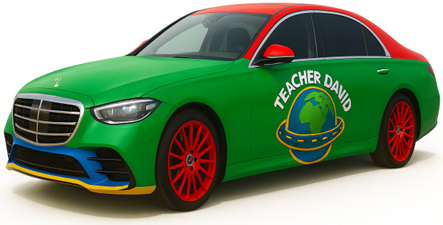
VEHICLE EXAMPLES
Sedans / saloons
Hatchbacks
Station wagons
Small suvs
Light vans within 3,500 kg
Driving-school manual training cars
Small business vehicles (e.g., probox, succeed)
TECHNICAL LIMITS
Gross vehicle weight (gvw): up to 3,500 kg
Trailer limit: light trailer up to 750 kg
Passenger capacity: up to 7 passengers, depending on vehicle model
TRANSMISSION RULE
B2 license holders may drive:
Manual vehicles
Automatic vehicles
Note: (B1 license holders cannot drive manual vehicles.)
TYPICAL USES
Personal and family transport
Ride-hailing services (uber, bolt, little cab)
Small courier or delivery work
Company pool cars
Driving test training (manual)
DRIVER REQUIREMENTS
Minimum age: 18 years
Must pass:
Ntsa theory test
Practical driving test (manual)
Vision and medical fitness where required
COMMON RESTRICTIONS
A B2 driver cannot drive:
Motorcycles (A)
Commercial trucks (C1, C, CE)
Public service vehicles (PSV)
Matatus or buses (D1, D2, D3)
Note: Only allowed to carry passengers within the vehicle’s approved seating capacity.
REAL-WORLD ADVANTAGES OF B2
More job opportunities than B1
Most kenyan cars are manual → easier vehicle availability
Allows light business use (deliveries, courier, company cars)
Ideal stepping stone to higher commercial categories: C1, C, D1
CATEGORY F – FOR PERSONS WITH DISABILITIES
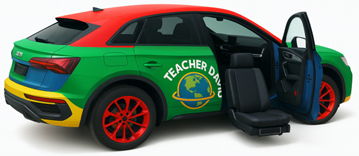
A driving licence class for persons with physical disabilities who operate specially modified motor vehicles.
VEHICLES ALLOWED UNDER CLASS F
You may drive only vehicles that are:
Light motor vehicles (private cars, small vans, station wagons)
Kerb weight: below 3,048 kg
Modified for disability use
Inspected and approved by NTSA
TYPICAL VEHICLE MODIFICATIONS
Vehicles may include:
Hand-operated accelerator & brake
Hand-controlled clutch systems
Modified steering column
Reduced-effort steering
Additional pedal extensions
Wheelchair-accessible systems
Custom NTSA-approved adaptations
REQUIREMENTS TO QUALIFY FOR CLASS F
To apply, you MUST provide:
Medical assessment
From a certified medical practitioner
Confirms your physical disability
NTSA INSPECTION OF THE MODIFIED VEHICLE
Motor vehicle inspection report
Shows modifications are safe and functional
DRIVING TEST IN THE ADAPTED CAR
You must take the driving test using your modified vehicle
Age requirement: minimum 18 years
WHAT YOU CANNOT DRIVE WITH CLASS F
You are not allowed to drive:
Trucks
Buses
Motorcycles
PSVs
Industrial equipment
Any unmodified vehicle
Unless you separately qualify for another category (e.g., B, C).
Class F is linked to the type of modification.
If the disability or modification changes, NTSA may require a new test.
Renewal rules are the same as normal licences (3 or 10 years).
You may still apply for a normal licence category if medically fit.
WHO CLASS F IS FOR
Examples of eligible individuals:
Amputees
People with limited leg movement
People requiring hand controls
People using prosthetic limbs
People requiring custom steering aids
Each case is assessed individually.
CATEGORY B3 – PROFESSIONAL (COMMERCIAL VEHICLES)
A professional licence for driving light vehicles used for business or commercial purposes.
Covers taxis, Ubers, Bolts, delivery vans, small pickups, and company vehicles.
Allows the driver to operate both manual and automatic commercial vehicles.
Common licence for commercial fleet drivers, ride-hailing drivers, and delivery operators.
VEHICLE EXAMPLES
Ride-hailing & taxi vehicles
Taxis
Uber, Bolt, Little Cab cars
Hotel shuttle cars (light units)
Company & business vehicles
Company pool cars
Staff transport cars (non-PSV)
Field service vehicles
Light vans used by NGOs or government agencies
Delivery & light cargo vehicles
Small delivery vans (Probox, Succeed, AD Van)
Pickups (single cab / double cab)
Courier and parcel delivery vehicles
Small refrigerated vans (below 3,500 kg)
TECHNICAL LIMITS
Gross Vehicle Weight (GVW): Up to 3,500 kg
Trailer Limit: Light trailer up to 750 kg
Passenger Capacity: Up to 7 passengers, depending on the vehicle
B3 does not allow carrying fare-paying passengers unless it is a taxi or ride-hailing vehicle, NOT a PSV matatu.
TRANSMISSION RULE
A B3 licence holder may drive:
Manual commercial vehicles
Automatic commercial vehicles
TYPICAL PROFESSIONAL USES
Taxi, Uber, Bolt operations
Company and government drivers
Vehicle assigned for field service/maintenance
Courier and package delivery
Light business transport
Commercial errands and distribution
NGO project vehicles
DRIVER REQUIREMENTS
Minimum age: 18 years
Must pass:
NTSA Theory test
Practical driving test
Vision screening
Medical certificate (mandatory for professional category)
Certificate of Good Conduct (may be required by employers or fleet operators)
COMMON RESTRICTIONS
A B3 licence cannot operate:
Motorcycles (A)
Medium & heavy trucks (C1, C, CE)
Tractors (G)
Public Service Vehicles (PSV – D1, D2, D3)
Dangerous goods vehicles (CD)
Cannot carry fare-paying passengers unless operating as a taxi/ride-hailing service.
Must operate within the vehicle’s legal passenger and weight limits.
REAL-WORLD ADVANTAGES OF B3
Many job opportunities (taxis, companies, NGOs, delivery firms)
Allows commercial use of light vehicles
Accepted by most logistics and ride-hailing companies
Good stepping stone to C1 → C → CE for truck drivers
Qualifies for light fleet operations and contracted driving roles
COMMON JOB ROLES FOR B3 DRIVERS
Uber/Bolt/Taxi driver
Company driver
Delivery and courier driver
Field service vehicle operator
Light van/cargo transporter
NGO/government project driver
CATEGORY D1 – PSV 14-SEATER (NISSANS/MATATUS)
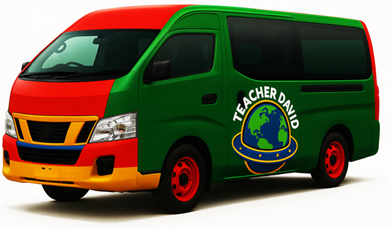
This licence is for typical Kenyan 14–18-seater matatu vans used in public transport.
Allows drivers to operate small-capacity PSV vehicles, such as stage matatus, shuttles, and intercity vans.
VEHICLE EXAMPLES
Nissan Caravan
Toyota Hiace (small-capacity models)
Ford Transit small buses
Other similar 14–18 seater vans
PASSENGER CAPACITY & USE
Passengers: 14–18 depending on vehicle configuration
Used for PSV transport:
Stage matatus
Shuttle services
Company or institutional transport
REQUIREMENTS TO APPLY
Minimum age: 24 years
Minimum driving experience: 4+ years (valid B licence required)
Must pass:
PSV theory exam
Traffic law test
Practical driving test (matatu/van)
Medical certificate and certificate of good conduct may be required
Must be enrolled in a SACCO or approved transport company for commercial operation
PSV COMPLIANCE REQUIREMENTS
Carry PSV identification badge
Operate within approved routes/stages
Maintain vehicle inspection certificates and TLB licenses
Follow daily pre-trip inspection routines
Obey SACCO and traffic safety regulations
PROHIBITIONS & LIMITATIONS
A D1 driver cannot:
Drive motorcycles (A)
Drive trucks (C1, C, CE)
Drive tractors (G)
Drive large buses above 18 passengers (D2, D3)
Operate outside assigned routes without permission
Standing passengers beyond seat capacity are not allowed
SAFETY EXPECTATIONS
Avoid overspeeding and reckless driving
Ensure all passengers are seated and secured
Daily vehicle checks: brakes, tyres, lights, emergency equipment
Zero tolerance for alcohol or drug use while driving
Follow SACCO and NTSA operational rules
JOB ROLES FOR D1 DRIVERS
Stage matatu driver (town service)
Shuttle driver (short- or long-distance)
Staff transport driver (company/school shuttles)
Hotel or airport shuttle driver
ADVANTAGES OF HOLDING D1
High demand in Kenyan public transport sector
Opportunities to work in SACCOs and shuttle services
Stepping stone to D2 (33-seater buses) or D3 (34+ seater buses)
PSV badge recognized nationwide
Eligible for route-based employment, fleet operations, and shuttle companies
CATEGORY D2 – MEDIUM PSV BUSES (32–51 SEAT BUSES)
Category D2 is the licence class required to operate medium Public Service Vehicles (PSVs) with a seating capacity between 32 and 51 passengers.
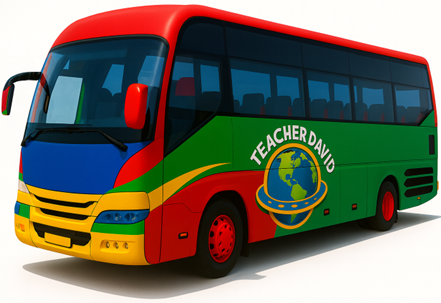
D2 is used by drivers of:
Medium town-service buses
School buses (mid-size)
Company staff buses
Inter-county and regional route buses
Church/organization buses
Contract/public hire buses
It is one step above D1 and one step below D3.
VEHICLE EXAMPLES (REAL KENYAN EXAMPLES)
Medium PSV Buses
Isuzu FRR
Isuzu FSR
Isuzu NQR medium bus
Mitsubishi Fuso Rosa
Mitsubishi Fuso FK bus
Hino mid-size buses
Ashok Leyland medium county buses
TYPICAL USES
32–51 seat matatu buses
School transport
Staff shuttle buses
Country and long–distance medium buses
Private/contract medium buses
REGULATIONS & LIMITS
Passenger limits
Minimum: 32 passengers
Maximum: 51 passengers
VEHICLE REQUIREMENTS
All D2 class vehicles must have:
Functional speed governor (80 km/h limit)
Valid NTSA inspection certificate
Seat belts for every passenger
Fire extinguisher
First aid kit
Reflective triangles
PSV insurance (if carrying passengers commercially)
PSV OPERATION RULES (FOR D2 DRIVERS)
Mandatory
Must hold a PSV Licence/Badge
Must undergo annual medical fitness checks (when required)
Must maintain professional conduct
Must keep the vehicle clean and safe
DRIVER CONDUCT REQUIREMENTS
No drunk driving
No dangerous driving
Must obey traffic laws strictly
Must follow schedules, routes, and PSV regulations
Must treat passengers with courtesy
Must follow SACCO or company rules
Must report safety issues immediately
REQUIREMENTS TO APPLY FOR CATEGORY D2
To upgrade to Category D2, you must:
Be at least 25 years old
Hold a valid driving licence in a lower category (B, C, D1, or BCE)
Have 4+ years of driving experience
Have no criminal record for major traffic offenses
DOCUMENTS NEEDED
National ID
Valid driving licence
Driving school enrolment form
Passport photo
Medical certificate (if required)
NTSA Ecitizen account
TRAINING REQUIREMENTS (DRIVING SCHOOL)
Students must complete a recognized PSV/D2 training program covering:
Theory classes
Traffic rules & signs
Passenger safety
Defensive driving
Vehicle control systems
Road courtesy
Emergency handling
PSV regulations
Speed limits
Highway code
Practical lessons
Handling a medium bus
Turning, reversing, and parking
Hill start & hill control
Smooth braking and acceleration
Highway driving
Town driving
Passenger pick-up & drop-off procedures
Emergency maneuvers
TESTING REQUIREMENTS (NTSA TEST)
Written (theory) test, covers:
PSV rules
Traffic laws
Safety procedures
Road signs
Emergency response
Practical (road) test, includes:
Vehicle inspection
Starting and stopping
Lane discipline
Turning and reversing
Parking
Roundabout navigation
Emergency braking
General road conduct
WHAT A D2 DRIVER MUST KNOW
Vehicle handling skills
Handling a long and tall vehicle
Managing weight balance
Steering control
Braking systems (air brakes/ hydraulic brakes)
Proper use of gears
Understanding blind spots
Safe overtaking
Turning radius management
Passenger handling skills
Boarding & alighting safety
Handling emergencies
Managing conflicts
Ensuring passenger comfort
Maintaining professionalism
Safety knowledge
Use of fire extinguisher
Handling breakdowns
Accident response
Evacuation procedures
First aid basics
SPEED LIMITS FOR D2 VEHICLES
Highways: 80 km/h (PSV governor limit)
Urban areas: 50 km/h
School zones: 30 km/h
Rough roads: As conditions allow
ADVANTAGES OF HAVING A D2 LICENCE
Eligible for PSV bus jobs
Eligible for school bus jobs
Higher salary range (KSh 25,000–70,000+)
Can upgrade later to D3 (heavy buses)
Allows travel for contract/organization work
DIFFERENCE BETWEEN D1, D2, AND D3
|
Category |
Vehicles |
Seats |
|
D1 |
Matatus / small buses |
14–18 |
|
D2 |
Medium buses |
32–51 |
|
D3 |
Large buses |
52+ |
Upgrade path – You can upgrade: B → C1→ D1 → D2 → D3 or B/C →D1→ D2 → D3
WHO NEEDS A D2 LICENCE?
Matatu bus drivers (32–51 seaters)
School bus drivers
Company bus drivers
Church bus drivers
Inter-county medium bus drivers
Shuttle bus drivers (medium size)
COMPLIANCE & LEGAL OBLIGATIONS
A D2 driver must follow:
The Kenya Traffic Act
PSV regulations
NTSA operating guidelines
SACCO rules (if applicable)
Safety and emergency standards
CATEGORY D3 – LARGE BUSES (51+ SEATS & COACHES)
Category D3 is the licence required for operating large Public Service Vehicles (PSVs) including:
Large long-distance buses
City commuter buses
High-capacity school buses
It is the highest bus-driving licence in Kenya.
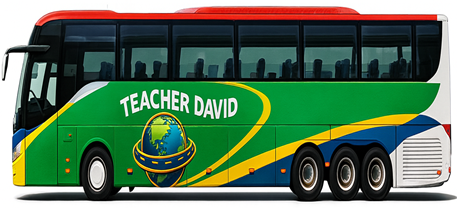
Vehicle examples: Includes all large buses with 51 seats and above:
LONG-DISTANCE COACHES (KENYA EXAMPLES)
Modern Coast
Ena Coach
Guardian Bus
Mash Poa
Simba Coach
Easy Coach
Tahmeed
Crown Bus
School & institutional buses
Large full-size school buses
University/institution buses
CITY AND REGIONAL BUSES
High-capacity commuter buses
Double-axle and tri-axle buses
Large express town service buses
(These examples include models from Isuzu, Scania, MAN, Hino, Yutong, Zhongtong, etc.)
PASSENGER CAPACITY
51 passengers and above
Some luxury buses carry up to 67+ passengers
Double-decker coaches may exceed 80 passengers
LICENCE REQUIREMENTS
To qualify for a D3 licence, a driver must have:
Minimum age: 30 years
Driving experience: 6+ years
Valid D2 or BCE licence
Valid Police Good Conduct Certificate
Medical fitness certificate
Passed NTSA PSV training
Passed NTSA theory + practical tests
PROFESSIONAL TRAINING CONTENT
THEORY (CLASSROOM)
PSV laws & passenger rights
Highway Code and advanced rules
Speed management (governed to 80km/h)
Fatigue management
Customer care and conflict handling
Emergency procedures (fire, evacuation, breakdowns)
Bus inspection and safety checks
PRACTICAL (DRIVING)
Handling long buses
Wide turning radius control
Air brake system operation
Highway driving with passengers
Hill starts & engine braking
Reversing a large bus with a guide
City driving and narrow road navigation
TYPICAL USES
Drivers with D3 are employed in:
Inter-county and cross-border transport
Tour and travel companies
School transportation
Corporate and government institution buses
Large commuter systems (BRT, long buses)
OPERATING RULES & SAFETY REQUIREMENTS
MANDATORY VEHICLE FEATURES
All D3 buses must have:
Speed governor (80 km/h limit)
Functional seat belts for all seats
PSV insurance
NTSA Roadworthiness sticker
First aid kit
Fire extinguishers
Emergency exit windows and hammers
DRIVER RESPONSIBILITIES
Zero alcohol tolerance
No overspeeding
Observe passenger loading limits
Maintain trip and rest logs for long-distance trips
Conduct pre-trip inspections: brakes, tyres, lights, engine
ADVANTAGES OF A D3 LICENCE
Highest PSV driving qualification
High salary potential (up to KSh 80,000–150,000+)
Eligible for employment with major bus companies
Suitable for international long-distance routes (EAC region)
Prestigious and respected professional level
DIFFERENCE BETWEEN D1, D2 & D3
|
Category |
Vehicle Type |
Seat Capacity |
|
D1 |
Matatu vans |
14–18 |
|
D2 |
Medium buses |
32–51 |
|
D3 |
Large buses & luxury coaches |
51+ |
CATEGORY DE – LARGE BUSES WITH HEAVY TRAILERS
Highest Public Service Vehicle (PSV) Trailer Licence
Category DE allows a driver to operate:
Large PSV buses (51+ seats) plus
A heavy trailer connected to the bus.
This is the highest bus category, similar to CE for trucks but designed specifically for public service buses pulling trailers.
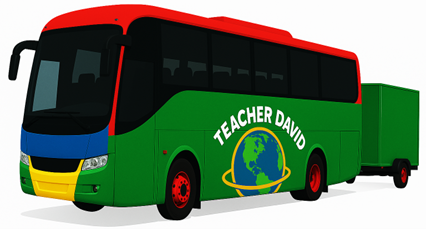
Trailers may be used for:
Luggage
Parcels/cargo
Long-distance passenger routes
School/band equipment
Tour travel baggage
VEHICLE EXAMPLES
51+ seat long-distance coaches with trailers
Luxury or express buses with:
Luggage trailers
Equipment trailers
Parcel box trailers
EXAMPLES (KENYA/EAC)
Modern Coast coach + trailer
Guardian Angel trailer buses
Ena Coach with luggage trailer
Tour buses with enclosed trailers
Large school buses pulling equipment trailers
CAPACITY LIMITS
Passenger Capacity: Same as D3: 51 passengers and above
Trailer limits
Trailer above 750 kg
Dual-axle or single-axle trailers
Must comply with braking and lighting regulations
GROSS COMBINED WEIGHT
Depends on vehicle and trailer specifications
Must not exceed manufacturer + NTSA limits
REQUIREMENTS TO QUALIFY FOR CATEGORY DE
To upgrade to DE, the driver must be: Minimum 30 years
EXPERIENCE
Must already hold D3
Must have 2+ years D3 experience
Medical fitness certificate
Police Good Conduct Certificate
Pass NTSA theory exam for articulated PSV
Pass NTSA road test with a bus + trailer
Clean driving record (no major offenses)
TRAINING CONTENT (DE-PROFESSIONAL LEVEL)
THEORY TRAINING
Articulation mechanics for buses
Trailer braking systems (air/light brakes)
Turning radius and space management
Passenger safety with trailers
Highway Code for articulated PSVs
Emergency evacuation and safety
Trailer coupling and connection laws
PRACTICAL SKILLS
Coupling and uncoupling a trailer
Reversing with a trailer
Wide and controlled turns
Articulated bus cornering
Hills, slopes, and controlled braking
Loading and weight balance
Night driving and long-distance discipline
Emergency procedures with passengers + luggage trailer
TYPICAL USES
Drivers with a DE licence can work in:
Long-distance bus companies
Luxury coach and tour companies
School and college buses with trailers
Church and organization buses pulling equipment trailers
International cross-border routes (EAC region)
OPERATING RULES & SAFETY REQUIREMENTS
Vehicle Must Have:
Speed governor (80 km/h)
Valid PSV licence
NTSA inspection certificate
Functional trailer brake system
Reflectors and braking lights on trailer
Fire extinguishers
Emergency exits and hammers
First aid kit
DRIVER MUST
Maintain zero alcohol policy
Perform pre-trip trailer inspections
Check tyre pressure for bus + trailer
Securely lock coupling pins
Balance trailer load to prevent sway
Use hazard lights when reversing
Reduce speed significantly on corners
ADVANTAGES OF HOLDING A DE LICENCE
Highest PSV licence level in Kenya
Highest salary in PSV categories
Needed by top bus companies
Eligible for cross-border EAC operations
High level of professionalism and skill
Opportunities for instructor or fleet manager positions
DIFFERENCE BETWEEN D3 AND DE
|
FEATURE |
D3 |
DE |
|
Vehicle Type |
Large bus |
Large bus + heavy trailer |
|
Seats |
51+ |
51+ |
|
Trailer Allowed |
Light only |
Heavy trailers |
|
Skill Level |
High |
Highest (articulated PSV) |
|
Job Level |
Bus driver |
Coach + trailer driver (premium routes) |
CATEGORY C – LIGHT TRUCKS & SMALL BUSES
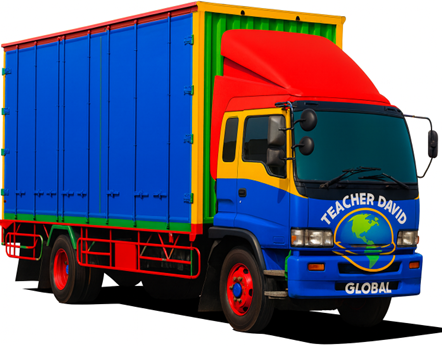
Category C authorizes a driver to operate medium-capacity commercial motor vehicles used for goods or passenger transport.
These vehicles are heavier than passenger cars but lighter than heavy trucks and articulated vehicles.
GROSS VEHICLE WEIGHT (GVW) RANGE
Approximate GVW: Above 3,500 kg up to 7,500 kg
Designed for medium-load transport
Not classified as heavy commercial vehicles
VEHICLE TYPES COVERED
Rigid-body vehicles (non-articulated)
Single rear axle trucks
Manual or automatic transmission vehicles
VEHICLE EXAMPLES
Small rigid trucks
Small delivery trucks
Small school buses
Small company / staff buses
PASSENGER & LOAD CAPACITY
Passenger buses: Typically 15–33 passengers
Cargo vehicles: Medium cargo capacity within GVW limits
Overloading passengers or cargo is illegal
PURPOSE / USAGE
Category C vehicles are commonly used for:
Local and regional goods transport
School transportation
Company and staff transport
Distribution and logistics services
MINIMUM LICENSING REQUIREMENTS
To qualify for Category C, a driver must:
Hold a valid lower driving licence category
Minimum age: 22 years
Pass: Theory examination and practical driving test
Be medically fit (vision, hearing, coordination)
VEHICLE CONTROL & DRIVING SKILLS
Drivers must demonstrate:
Smooth clutch and gear control
Safe braking with loaded vehicles
Proper steering and lane discipline
Control on slopes and curves
LOAD SAFETY & HANDLING
Secure cargo properly using ropes or straps
Distribute load evenly across axles
Do not exceed the approved GVW
Avoid shifting loads during movement
DRIVING TECHNIQUES
Braking
Apply progressive braking
Maintain longer stopping distances
Avoid harsh braking to prevent load shift
Cornering
Reduce speed before corners
Take wider turns than passenger vehicles
Maintain vehicle stability
Hill Control
Select correct gear early
Avoid rolling back on inclines
Use engine braking when descending
DAILY VEHICLE INSPECTION
Check:
Tyres and tyre pressure
Brakes and brake fluid
Lights, indicators, and reflectors
Mirrors and windscreen
Horn and wipers
COMMON HAZARDS & PREVENTION
Overloading – respect GVW limits
Brake fade – avoid continuous braking
Loss of control – maintain safe speeds
Blind spots – use mirrors frequently
DOCUMENTATION REQUIRED
Valid Category C driving licence
Vehicle insurance cover
Logbook or copy
Roadworthiness inspection certificate
Waybill (for cargo vehicles)
EMPLOYMENT OPPORTUNITIES
Category C drivers can work in:
Distribution and logistics companies
School transport services
Company and staff transport
Retail and wholesale delivery firms
Construction material transport
UPGRADE OPTIONS
From Category C, a driver may upgrade to:
Category CE – Articulated trucks
Category D – Large buses
DISQUALIFICATION RULES
Drivers may lose their Category C licence for:
Dangerous or reckless driving
Repeated overloading offences
Driving under the influence
Operating vehicles without insurance
RENEWAL REQUIREMENTS
Periodic licence renewal as per NTSA rules
Medical re-examination when required
Review of traffic offence history
CATEGORY C2 – HEAVY TRUCKS (RIGID)
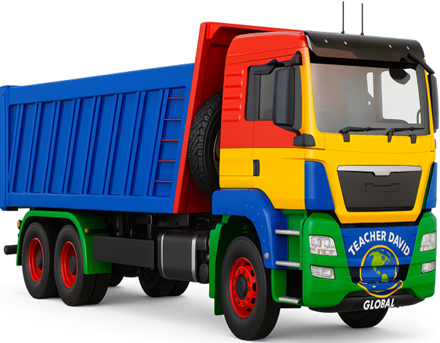
Category C2 authorizes a driver to operate heavy rigid-body trucks with a single chassis.
These vehicles are not articulated and are designed for heavy cargo transport in construction, municipal, industrial, and long-distance operations.
VEHICLE TYPE
Rigid trucks only (no trailers)
Single chassis with permanently attached load body
Manual or automatic transmission
GROSS VEHICLE WEIGHT (GVW)
Maximum GVW: Up to 18 tons (18,000 kg)
Actual GVW may vary depending on:
Manufacturer design
Axle configuration
Body type
VEHICLE EXAMPLES
Tipper trucks
Water bowsers
Fuel rigid tankers (non-articulated)
Garbage / refuse trucks
10-ton trucks
12-ton trucks
PURPOSE / USAGE
Category C2 vehicles are commonly used for:
Construction material transport
Water distribution services
Fuel transportation (non-articulated)
Waste collection and disposal
Industrial and bulk cargo transport
PASSENGER & LOAD CAPACITY
Designed primarily for cargo transport
Passenger seating limited to:
Driver and one or two authorized crew members (depending on design)
Overloading is illegal
MINIMUM LICENSING REQUIREMENTS
To qualify for Category C2, a driver must:
Hold a valid Category C licence
Minimum age: 24 years
Pass: Advanced theory test and practical heavy-truck driving test
Be medically fit (vision, hearing, physical coordination)
VEHICLE CONTROL & DRIVING SKILLS
Drivers must demonstrate:
Smooth clutch and gear management
Safe handling of heavy loads
Controlled braking with full load
Stability control on slopes and curves
LOAD SAFETY & HANDLING
Secure cargo properly using approved restraints
Ensure even weight distribution across axles
Do not exceed approved GVW
Prevent load shifting during transit
DRIVING TECHNIQUES
Braking
Use engine braking where available
Apply progressive braking
Avoid continuous braking to prevent brake fade
Cornering
Reduce speed early
Take wide turns
Maintain vehicle stability
Hill Control
Select correct gear before climbing
Maintain steady RPM
Use low gears when descending
DAILY VEHICLE INSPECTION
Check:
Tyres and tyre pressure
Brake systems and air pressure
Lights, indicators, and reflectors
Mirrors and windscreen
Horn and warning devices
COMMON HAZARDS & PREVENTION
Brake failure – proper maintenance and controlled braking
Vehicle rollover – correct loading and careful cornering
Blind spots – frequent mirror checks
Overloading – strict adherence to GVW limits
DOCUMENTATION REQUIRED
Valid Category C2 driving licence
Vehicle insurance cover
Logbook or copy
Roadworthiness certificate
Waybill (where applicable)
EMPLOYMENT OPPORTUNITIES
Category C2 drivers can work in:
Construction companies
Municipal councils and county governments
Fuel and water distribution firms
Waste management companies
Industrial transport services
Upgrade Options: From Category C2, a driver may upgrade to Category CE –Articulated trucks with trailers
DISQUALIFICATION RULES
Drivers may lose their Category C2 licence for:
Reckless or dangerous driving
Driving under the influence
Repeated overloading offences
Operating without proper insurance
RENEWAL REQUIREMENTS
Licence renewal as per NTSA regulations
Periodic medical fitness assessment
Review of accident and offence history
CATEGORY CE – ARTICULATED TRUCKS (TRAILERS)
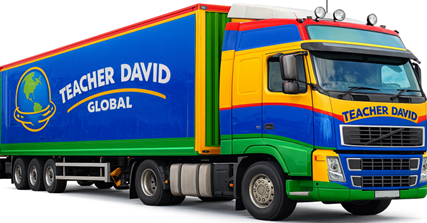
Category CE is the highest truck-driving class for commercial articulated vehicles.
It allows drivers to operate prime movers with trailers, including semi-trailers, container carriers, and long-haul articulated trucks.CE vehicles are designed for heavy cargo transport over long distances.
Note: If transporting hazardous cargo, the driver must hold Class CD.
VEHICLE EXAMPLES
CE vehicles include:
Prime mover + trailer
Semi-trailers
Container carriers
Fuel tankers (articulated, non-hazardous)
Low loaders
Car carriers
CAPACITY & USAGE
Can pull multiple trailers, depending on configuration
Typically used for long-distance commercial transport
Operations include:
Long-haul cargo transport
Port and container haulage
Bulk transport (cement, grains, steel)
Heavy equipment transport
Construction material hauling
Logistics and distribution
MINIMUM REQUIREMENTS
To drive a CE vehicle, you must have:
A valid Class C or C1/C2/C3 licence
Minimum age: 24 years
At least 1 year of experience with heavy rigid trucks
Good medical fitness (vision, hearing, mobility, reaction time)
Certificate of Good Conduct
Completion of an NTSA-approved CE driver training course
VEHICLE CONTROL
Smooth clutch and gear control
Starting/stopping loaded trailers safely
Controlling articulation pivot point
Maintaining stability on hills and curves
TRAILER HANDLING
Avoiding jackknifing and trailer sway
Correct cornering techniques to manage off-tracking
Maintaining safe following distances
COUPLING & UNCOUPLING
Inspecting the 5th wheel and kingpin
Trailer height alignment
Connecting air and electrical lines
Testing brakes after coupling
REVERSING TECHNIQUES
Straight-line reversing
90-degree backing
Alley docking
Correcting trailer swing during reverse
Use of mirrors for safe observation
LOAD SAFETY
Proper cargo securing using straps/chains
Even load distribution across axles
Avoiding high-center-of-gravity loads
Compliance with weight regulations and weigher requirements
LOADING RULES
Keep cargo low, centred, and evenly distributed
Do not exceed the Gross Combination Weight
Secure loads with certified equipment
Avoid roof loading unless the trailer is designed for it
Check tyre pressures for both tractor and trailer
Use chocks during loading/unloading
DRIVING TECHNIQUES
Braking
Use engine brake/retarder where available
Avoid continuous brake dragging
Use progressive braking to prevent trailer sway
Cornering
Take corners wide to avoid off-tracking
Reduce speed before entering corners
Maintain awareness of pedestrians and other road users
Hill control
Downshift early for hill climbs
Maintain steady RPM
Monitor engine, gearbox, and brake temperatures
Use climbing lanes where provided
SAFETY REQUIREMENTS
Daily walk-around inspection:
Tyres, brake lines, air pressure
Trailer lights and indicators
Coupling lock and 5th wheel
Reflectors, emergency triangles, fire extinguishers
Brake chambers & slack adjusters
Maintain safe following distances
Monitor blind spots:
Front left of tractor
Right side of trailer
Rear of trailer
COMMON HAZARDS & HOW TO AVOID THEM
Jackknifing – prevent by smooth braking and maintaining traction
Trailer rollover – prevent by even load distribution, careful cornering
Off-tracking – prevent by wide turns, mirrors, slow speed
Brake failure – prevent by inspection, proper brake use, avoiding overheating
DOCUMENTATION REQUIRED
CE Driver’s licence and ID
Vehicle insurance & permit
Logbook
Waybill/delivery note
Pre-trip inspection form
Weighbridge compliance documents
EMPLOYMENT OPPORTUNITIES
CE drivers can work in:
Ports and container freight stations
Transport and logistics companies
Oil & gas distribution (non-hazardous)
Manufacturing and industrial bulk transport
Construction companies
Supermarket distribution
Cross-border freight operations (Kenya–Uganda–Rwanda–DRC)
COMPANIES HIRING CE DRIVERS IN KENYA
SGR contractors and logistics firms
Container transport companies (MCT, Bolloré)
Kuehne + Nagel
Freight forwarders
Grain and cement bulk transporters
Oil distributors (for non-hazardous loads)
Supermarket chains (Naivas, Quickmart, Carrefour)
DISQUALIFICATION RULES
Drivers can lose CE licence for:
Drunk or reckless driving
Hit-and-run or fatal accidents
Overloading repeatedly
Fatigue violations
Driving a tanker without a CD licence
Tampering with speed governors or brakes
RENEWAL REQUIREMENTS
CE licence renewal occurs every 3 years, requiring:
Updated medical certificate
Defensive driving refresher
Road test evaluation
Vision test
Review of accident history
SAMPLE EXAM QUESTIONS
What causes articulation swing?
Sudden change of speed or direction causing trailer cut-in.
Why should a trailer be loaded evenly?
To prevent sway, rollover, and loss of control.
What is off-tracking?
When the trailer follows a shorter path than the tractor during turns.
Purpose of a kingpin?
Locks trailer to fifth wheel of tractor.
Safest way to brake an articulated truck?
Use progressive braking and engine brake; avoid sudden pedal pressure.
CATEGORY G – AGRICULTURAL TRACTORS
Category G is a driving licence class that allows the holder to operate agricultural tractors and agricultural equipment, including tractors towing trailers and farm implements.
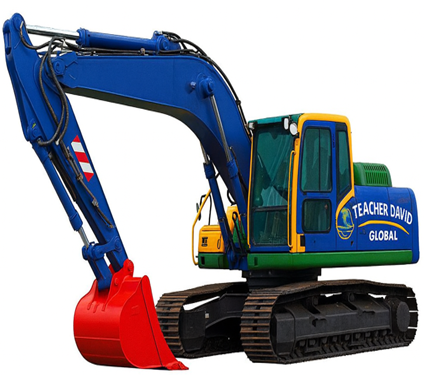
These vehicles are designed for:
Farm work
Ploughing
Hauling farm trailers
Field operations
Category G vehicles are not for passenger transport.
VEHICLE EXAMPLES
Category G includes the following:
Farm tractors
Plough tractors
Harvester tractors (where applicable)
Tractors pulling:
Disc ploughs
Harrows
Planters
Water bowsers
Balers
Sprayers
General farm trailers
USAGE
Category G tractors are used for:
Farming operations
Ploughing and land preparation
Hauling farm trailers or produce
Carrying farm implements
Light transportation within farms and rural areas
NOT ALLOWED
Transporting passengers
Using the tractor for commercial passenger services
Carrying people on fenders, implements, or trailer edges
LOADING RULES
When loading a tractor or tractor trailer:
Keep items low and close to the center of the vehicle to maintain stability.
Only place items on the roof if the tractor has a proper luggage compartment.
Do not overload the tractor or trailer.
Ensure balanced weight distribution in the trailer.
Secure the load properly to avoid shifting.
Check tyre pressure regularly, incorrect pressure causes instability, skidding, and tyre damage.
Avoid high loads that raise the tractor’s center of gravity and increase rollover risk.
TRACTOR CONTROLS
Category G operators must master:
Clutch pedal
Gear lever (high/low ranges)
PTO (Power Take-Off)
Hydraulic system controls
Split brake pedals
Differential lock
Hand throttle
Three-point hitch
Steering and braking system
SAFETY REQUIREMENTS
Before driving
Check fuel, oil, coolant
Inspect tyres and tyre pressure
Confirm lights, brakes, and horn are working
Ensure trailer hitch is locked
Verify PTO guards are intact
During driving
Keep speeds low when hauling heavy loads
Avoid sharp turns at high speed
Use locked brakes when driving on the road
Never allow people to ride on trailers or implements
Engage PTO only when safe and necessary
LICENSING REQUIREMENTS
To be issued with Category G:
Must be 18 years or older
Have a national ID
Pass NTSA vision test
Enroll in an NTSA-approved driving school
Complete tractor training
Pass a theory exam
Pass a practical driving test
TRAINING MODULES
Theory
Tractor parts and controls
Basic tractor mechanics
Farm safety
Road safety rules
Towing and trailer handling
Load safety
Accident prevention
Practical
Starting and stopping
Straight driving
Reversing with and without trailer
Hooking and unhooking implements
Field driving techniques
Emergency stopping
Maneuvering around obstacles
SAMPLE TEST QUESTIONS
What does PTO stand for?
Power Take-Off.
Why are tractor brake pedals split?
For better turning control in the field; on-road they must be locked together.
What is the three-point hitch used for?
Attaching and lifting farm implements.
How should loads be placed on a tractor?
Low and close to the vehicle’s center for stability.
Are tractors required to follow road rules on public roads?
WHO NEEDS CATEGORY G?
Farmers
Tractor operators
Agricultural contractors
Irrigation project operators
Farm industry workers
CATEGORY CD – PROFESSIONAL HEAVY-VEHICLE
Category CD is a professional heavy-vehicle licence used for the operation of:
Heavy Goods Vehicles (HGVs) over 7,500 kg, and
Heavy trailers or semi-trailers, including articulated trucks.
It is the highest heavy-vehicle level before specialized explosive or military endorsements.
CD drivers are responsible for dangerous cargo, national-level supply chains, and cross-border freight.
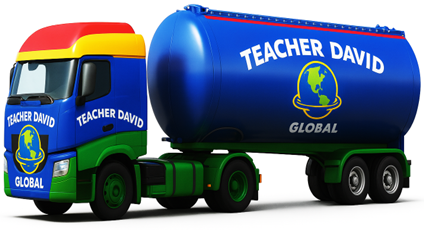
VEHICLES ALLOWED UNDER CLASS CD
Heavy Trucks with Heavy Trailers
Drivers can operate:
Fuel tankers (petrol, diesel, kerosene)
LPG gas tankers
Chemical transport tankers
Bitumen tankers
Bulk powder tankers
Sewage and hazardous waste trucks
Articulated trucks hauling hazardous materials
Explosive material carriers (with special permit)
NON-HAZARD VEHICLES ALSO ALLOWED
Because CD is above CE, holders can also drive:
CE (prime movers + trailers)
C (rigid trucks above 7,500 kg)
Long-haul freight trucks
Container carriers
Cement bulkers
Flatbeds & curtain-siders
MINIMUM REQUIREMENTS FOR CLASS CD
Age Requirement: Must be at least 30 years old
Experience: Must have held Class CE for at least 2 years
Medical Fitness (Mandatory): A valid NTSA medical certificate confirming:
Good eyesight
Proper hearing
Strong physical mobility
Mental fitness
Special training required: Due to risk level, special training is compulsory:
Dangerous Goods (HAZMAT) Certification
Advanced articulated vehicle training
Safety and emergency handling training
NTSA theory + practical retesting
DANGEROUS GOODS CLASSES (1–9)
A complete requirement for CD drivers
Class 1 – Explosives
Class 2 – Gases (LPG, industrial gases)
Class 3 – Flammable liquids (petrol, diesel, kerosene)
Class 4 – Flammable solids
Class 5 – Oxidizing substances
Class 6 – Toxic and infectious substances
Class 7 – Radioactive materials
Class 8 – Corrosives (acids, alkalis)
Class 9 – Miscellaneous dangerous materials
CLASS CD TRAINING BREAKDOWN (FULL SYLLABUS)
VEHICLE CONSTRUCTION & CONTROLS
Air brake systems
Diesel engine operation
Transmission & retarder use
Coupling & uncoupling trailers
Emergency shut-off valves
Tanker pressurization basics
Stability & rollover prevention
ABS/EBS & air suspension systems
ROAD SKILLS
Preventing jackknifing
Trailer space management
Turning radius control
Heavy braking & weight shift
Defensive driving with tankers
Hill starts with heavy cargo
Emergency braking
Reversing articulated trucks
TANKER-SPECIFIC KNOWLEDGE
Surge effect in half-full tankers
Bottom vs top loading
Static electricity grounding
Manhole safety
Valve sequencing
Compartment isolation
Pressure buildup management
DANGEROUS GOODS (HAZMAT) HANDLING
Hazard classification
PPE use
First-line fire control
Chemical spill management
Fuel vapor ignition risks
Emergency evacuation procedures
Isolation zones
DOCUMENTATION HANDLING
Drivers must understand:
Dangerous Goods Declaration (DGD)
Transport Emergency Cards (TREM cards)
Hazard placards & UN numbers
Vehicle inspection sheets
Weighbridge documentation
Delivery and receipt reports
EMERGENCY RESPONSE PROCEDURES
Fuel spill containment
Chemical exposure response
Fire types and extinguisher selection
Breakdown with dangerous cargo
Accident scene isolation
Hazard route notification procedures
Emergency hotline reporting
EQUIPMENT REQUIRED IN A CLASS CD VEHICLE
Two serviced 9kg fire extinguishers
Full spill kit (sand, absorbent pads, neutralizers)
Wheel chocks
Reflective triangles
Earthing cable
Anti-static gloves
PPE: safety boots, respirator, goggles, gloves
Hose safety caps
Emergency escape mask
Night visibility jackets
ROUTE PLANNING RULES
Tanker drivers must follow:
Approved NTSA routes
Avoid school zones & major crowds
Avoid tunnels and weak bridges
Observe time restrictions for fuel transport
Use designated emergency parking points
Maintain escort for explosives
COMPLIANCE WITH NTSA, NEMA, POLICE
Drivers must meet:
Correct placards
Explosive escort rules
Cargo documentation
Weighbridge compliance
No unauthorized parking
Random alcohol checks (zero tolerance)
WHEN YOU CANNOT APPLY FOR CLASS CD
You will be rejected if:
Below 30 years
Less than 2 years CE experience
Have dangerous driving convictions
Alcohol/drug suspensions
Serious medical issues
Expired CE licence
Outstanding traffic fines
LICENCE RENEWAL RULES
Validity: 3 years
Renewal requires:
Updated medical certificate
Refresher HAZMAT training (if required)
No outstanding fines or pending cases
JOB ROLES FOR CLASS CD DRIVERS
Fuel tanker driver
LPG gas tanker driver
Chemical transport driver
Bitumen tanker operator
Hazardous waste transporter
Industrial cargo transporter
Long-distance articulated truck driver (EAC)
Fleet supervisor or heavy vehicle instructor
COMPANIES IN KENYA HIRING CD DRIVERS
Total Energies
Shell
Kenol Kobil
Oil Libya
National Oil
Bamburi Cement
East African Breweries (EABL)
Kenya Pipeline contractors
Logistic trucking companies
SAFETY EXPECTATIONS FOR CD DRIVERS
CD drivers must:
Never smoke near the vehicle
Carry working fire extinguishers
Inspect valves and hoses
Perform leak detection
Install correct hazard placards
Avoid night transport for restricted materials
Follow approved tanker routes
Maintain zero alcohol policy
ADVANTAGES OF HOLDING CLASS CD
Highest professional licence
Higher pay rates
Priority recruitment
International/EAC transport eligibility
High job stability
Qualification to become instructor/assessor
DIFFERENCE BETWEEN CE AND CD
|
Feature |
CE Licence |
CD Licence |
|
Vehicle |
Heavy truck + trailer |
Heavy truck + trailer |
|
Cargo |
General goods |
Hazardous materials |
|
Age |
24+ |
30+ |
|
Experience |
C/C1 |
2+ years CE |
|
Training |
Standard heavy truck |
HAZMAT + advanced |
|
Salary |
Lower |
High |
|
Risk |
Medium |
Very high |
Note: CD is a specialized, advanced, hazard-authorized version of CE.
ALL VEHICLE CATEGORIES
|
Class |
Vehicle Type |
Examples |
Passenger Limit |
|
B1 |
Saloon Automatic |
Small cars (auto) |
Up to 7 |
|
B2 |
Saloon Manual |
Manual cars (and auto) |
Up to 7 |
|
B3 |
Professional Light Vehicles |
Taxi, Uber, delivery |
Up to 7 |
|
D1 |
PSV Minibus |
Nissan/HiAce |
14–18 |
|
D2 |
Medium PSV Bus |
32–51 seat buses |
32–51 |
|
D3 |
Large PSV Bus |
Coaches & big buses |
51+ |
|
A2 |
Motorcycles 50cc+ |
Boda-boda |
1 passenger |
|
A3 |
Tuk-tuks |
3-wheelers |
3 passengers |
|
C/C1 |
Light Trucks & Small Buses |
Small trucks |
Depends on seats |
|
C2 |
Heavy Rigid Trucks |
Tippers, bowsers |
N/A (cargo) |
|
CE |
Trailers/Articulated |
Prime movers |
N/A (cargo) |
|
G |
Tractors |
Farm tractors |
None |
|
CD |
Tanker Heavy Vehicle |
Dangerous Cargo |
None |