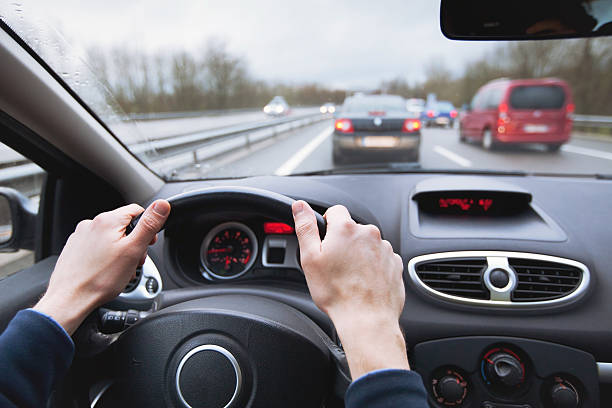
Vehicle Safety
Your vehicle’s condition affects your safety and that of others.
DO THE FOLLOWING
Check brakes, tires, lights, wipers, and mirrors before every trip.
Keep windscreens and windows clean for clear vision.
Ensure seat belts work and are worn by all passengers.
Keep your vehicle serviced regularly according to the manufacturer’s schedule.
Carry a first aid kit, fire extinguisher, and spare tire at all times.
Obey all traffic signs and signals.
Keep a safe following distance between your vehicle and the one ahead.
Use mirrors and indicators before turning or changing lanes.
Respect other road users, pedestrians, cyclists, and motorcyclists.
Stay alert and avoid distractions such as mobile phones.
DON’T DO THE FOLLOWING
Drive a vehicle with worn-out tires, faulty brakes, or broken lights.
Overload passengers or cargo.
Speed, tailgate, or overtake dangerously.
Drive aggressively or compete with others on the road.
EMERGENCY PREPAREDNESS
Be ready to respond calmly and correctly in case of an accident.
Know basic first aid procedures.
Switch on hazard lights to warn other drivers.
Move injured persons only if it’s safe to do so.
Call emergency services immediately (in Kenya, dial 999 or 112).
ENVIRONMENTAL SAFETY
Drive responsibly to protect both people and the environment.
Avoid unnecessary idling, it wastes fuel and pollutes the air.
Keep your vehicle properly tuned to reduce emissions.
Dispose of waste and oil responsibly.
“Safe driving starts with a healthy driver, a well-maintained vehicle, and a responsible attitude.”
EYESIGHT AND VISION
Check your vision regularly. Wear corrective lenses (glasses or contact lenses) if required.
Do not drive if you have poor or defective vision; it increases the risk of accidents.
Avoid using sunglasses, tinted helmet visors, or dark lenses at night or during poor visibility conditions.
Ensure your windshield, mirrors, and helmet visor are clean and free from scratches or dirt that may impair vision.
Be aware of eye fatigue or strain during long drives; take breaks to rest your eyes.
Adjust your seat and mirrors properly to maintain a clear field of vision in all directions.
Pay extra attention in adverse weather conditions (fog, rain, glare from sunlight), as they can reduce visibility.
Use headlights, high beams, or fog lights appropriately to enhance vision without dazzling other drivers.
Avoid driving if experiencing temporary vision problems, such as blurred vision, double vision, or eye infections.
Maintain overall eye health with regular check-ups and a diet rich in vitamins beneficial for vision (like Vitamin A).
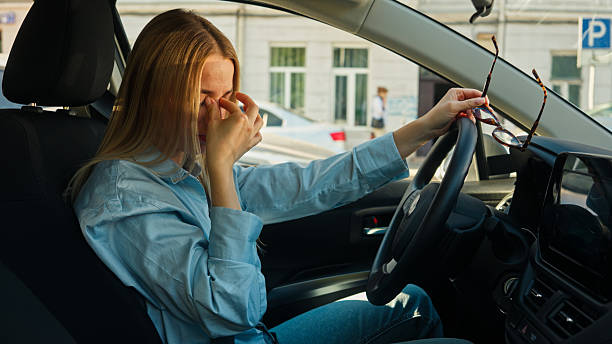
FATIGUE
Fatigue is extreme tiredness resulting from mental or physical exertion.
Driving while tired reduces alertness, slows reaction times, and impairs judgment, increasing the risk of accidents.

Do not start a journey if you feel tired.
Recognize the signs of fatigue: yawning frequently, heavy eyelids, drifting out of your lane, difficulty concentrating, or feeling mentally sluggish.
PREVENT FATIGUE BEFORE DRIVING
Ensure adequate sleep (7–9 hours for adults) before long drives.
Avoid driving during your normal sleep hours or late at night.
Avoid heavy meals or prolonged physical activity immediately before driving.
Limit alcohol or medications that can cause drowsiness.
COMBAT FATIGUE WHILE DRIVING
Take breaks every 2–3 hours on long journeys.
Stop to stretch, walk, or do light exercises.
Stay hydrated and have light refreshments if needed.
Share driving duties when possible.
Listen to engaging music or conversations to stay alert, but avoid distractions.
If you feel unable to stay awake, pull over safely and rest.
Short naps of 15–20 minutes can restore alertness.
Maintain a healthy sleep schedule and lifestyle to improve overall alertness.
Manage stress and avoid overworking to reduce fatigue-related risks.
CAUSES OF FATIGUE
Fatigue while driving can result from several factors, both physical and mental.
Understanding these causes can help drivers prevent tiredness and stay safe on the road.
Lack of sleep
Insufficient sleep is the most common cause of fatigue.
Sleep deprivation reduces alertness, slows reaction time, and impairs judgment.
Long driving hours
Extended periods of continuous driving increase physical and mental exhaustion.
Driving for long distances without breaks leads to tiredness and decreased focus.
Monotonous roads
Driving on straight, unchanging roads for long periods can make drivers drowsy.
Lack of stimulation can reduce attention and increase the risk of microsleeps.
Physical exertion
Fatigue from prior physical work, exercise, or manual labor can affect driving.
Heavy lifting or intense activity before driving increases tiredness.
Mental stress and overwork
Stress, anxiety, or prolonged mental activity can lead to mental fatigue.
Multitasking or worrying while driving can increase tiredness.
Poor nutrition or dehydration
Skipping meals, consuming heavy foods, or being dehydrated can reduce energy.
Excessive sugar or caffeine may temporarily boost alertness but can lead to crashes later.
Medical conditions and medications
Conditions like sleep apnea, diabetes, or anemia can cause fatigue.
Certain medications (antihistamines, sedatives, painkillers) may induce drowsiness.
Alcohol and drugs
Even small amounts of alcohol can increase fatigue and slow reaction times.
Illegal drugs or misuse of prescription drugs can severely impair alertness.
Poor driving environment
Extreme temperatures (hot or cold), inadequate ventilation, or uncomfortable seating can contribute to fatigue.
PREVENTING FATIGUE
Fatigue is a major cause of road accidents, but it can be prevented with proper planning and healthy driving habits.
Ensure you have 7–9 hours of sleep before driving, especially for long trips.
Stop every 2–3 hours during long journeys to stretch, walk, and refresh your mind.
Eat nutritious meals at regular times. Avoid heavy, greasy foods before driving.
Drink enough water to prevent tiredness caused by dehydration.
Regular exercise and a healthy lifestyle improve alertness and reduce fatigue.
If possible, schedule trips during daylight hours when alertness is naturally higher.
If feeling tired, pull over at a safe location and rest or take a short nap (15–20 minutes).
Schedule rest stops in advance and avoid long, continuous driving sessions.
Do not rely on caffeine or energy drinks alone; avoid alcohol or sedating medications before driving.
On long trips, take turns with another driver whenever possible.
Keep the vehicle ventilated, and maintain a comfortable temperature and posture.
Listen to conversations, audiobooks, or music at a moderate level to maintain alertness without distraction.
DISTRACTIONS WHILE DRIVING
Distractions reduce your ability to react quickly to hazards and increase the risk of accidents.
Staying focused is essential for safe driving.
Common distractions and how to avoid them:
Mobile phones: Talking, texting, or using apps diverts attention.
Use hands-free devices or pull over to use your phone.
Eating or drinking: Handling food or beverages can take your hands and eyes off the road.
Eat before driving or during breaks.
Navigation systems: Focusing on maps or GPS screens can reduce awareness.
Set routes before starting and use voice directions.
Passengers: Conversations, arguments, or children can be distracting.
Keep interactions calm and instruct passengers to minimize disturbances.
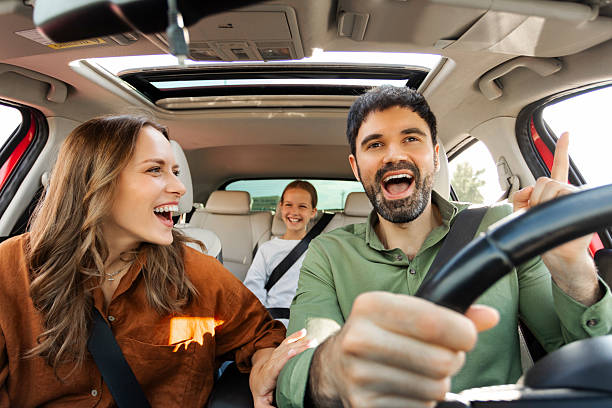
Music or media: Adjust volume or playlists before driving; avoid changing devices while moving.
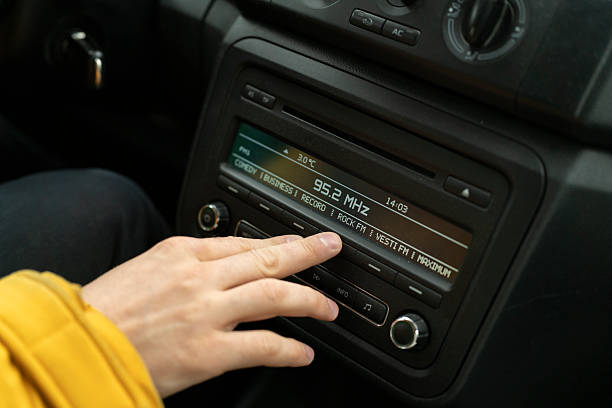
Vehicle controls: Adjusting air conditioning, mirrors, or other controls should be done when stopped or at breaks.
External distractions: Billboards, accidents, or roadside events can catch your eye.
Keep your focus on the road and maintain safe awareness.
Daydreaming or fatigue: Losing focus mentally is as dangerous as physical distractions.
Stay alert and take breaks if your mind wanders.
Personal grooming: Activities like applying makeup, shaving, or combing hair should be done before driving.
Pets: Unrestrained animals in the vehicle can cause sudden distractions. Use pet carriers or restraints.
TIPS TO STAY FOCUSED
Keep both hands on the wheel and eyes on the road.
Minimize multitasking while driving.
Maintain safe following distances to give yourself time to react.
Anticipate potential hazards and be prepared to act.
Plan your trip to reduce stress and rushed driving, which can make distractions more dangerous.
USING HANDHELD DEVICES
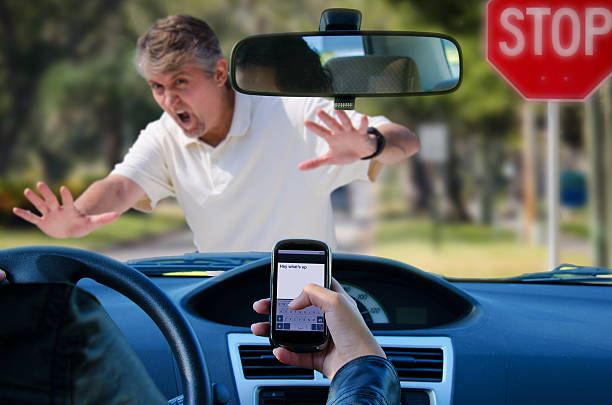
Using handheld devices while driving is a major cause of accidents because it diverts attention from the road, slows reaction time, and reduces situational awareness.
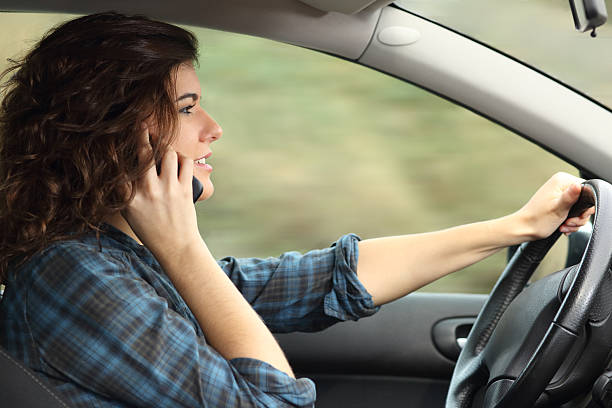
Avoid using cell phones for talking, texting, or browsing while driving.
Turn off phones or keep them out of reach during the journey to reduce temptation.
Use hands-free devices (Bluetooth, speakerphone) only if necessary, and keep conversations brief.
Do not use tablets, GPS touchscreens, or other handheld electronic devices while driving.
Avoid interacting with social media, messaging apps, or email while driving.
Set navigation routes, music playlists, and climate controls before starting your journey.
Pull over safely if you need to make a call, check a message, or adjust a device.
Educate passengers not to hand you phones or distract you with electronic devices while driving.
Be aware that even hands-free calls can reduce focus, so prioritize driving over conversations.
CONSEQUENCES OF USING HANDHELD DEVICES
Increased risk of collisions due to delayed reaction times.
Reduced ability to notice traffic signals, pedestrians, and other hazards.
Legal penalties and fines in many countries for using phones while driving.
Make driving your primary focus, no message, call, or app is more important than safety.
RADIO
Listening to the radio can be enjoyable, but it can also become a distraction if not handled carefully.
Distractions from audio devices reduce focus on the road and increase the risk of accidents.
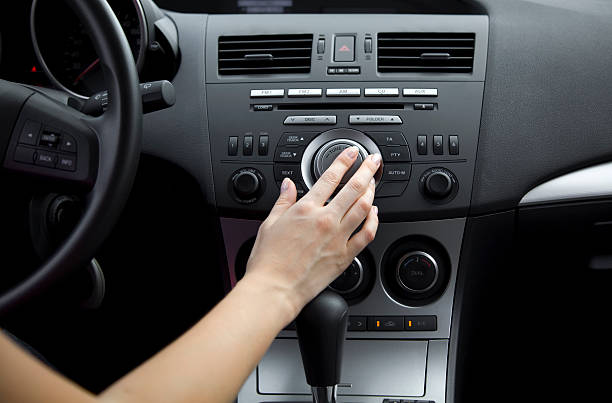
You may listen to the radio or music, but avoid adjusting the volume, changing CDs, MP3s, or playlists while driving.
Set your preferred station, playlist, or volume before starting your journey.
Use steering wheel or dashboard controls only if they can be operated safely without taking your eyes off the road.
Avoid overly engaging content (loud debates, emotionally charged programs) that may divert mental attention from driving.
Pull over safely if you need to make changes to your music or radio settings.
Keep the sound at a level that allows you to hear traffic signals, horns, and emergency vehicles.
Pre-plan your playlist or radio station for the trip.
Use apps with voice commands or automatic station presets to reduce manual handling.
Encourage passengers to handle audio adjustments if available.
Listening is fine, but manipulating audio devices while driving is a distraction.
Always prioritize road safety over entertainment.
GROOMING, SMOKING, EATING
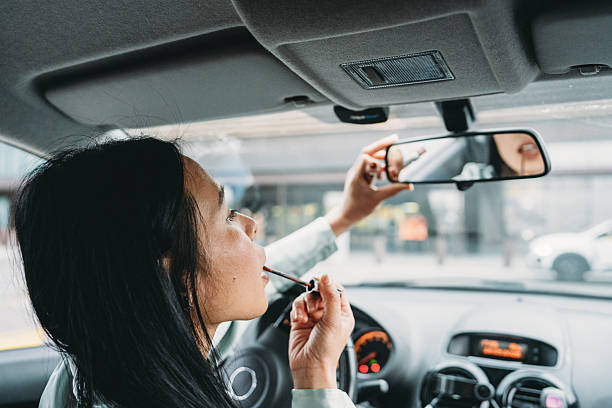
Activities like grooming, smoking, or eating while driving may seem harmless, but they significantly reduce focus, delay reaction times, and increase the risk of accidents.
Avoid applying makeup, shaving, combing hair, or adjusting clothing while driving.
Even quick glances in mirrors can take your eyes off the road at critical moments.
Complete all grooming activities before starting your journey.
SMOKING
Handling cigarettes, lighters, or ashtrays distracts both hands and attention.
Smoke, ash, or sudden need to drop a cigarette can cause accidents.
If you need to smoke, pull over safely rather than trying to manage it while driving.
Be aware that smoking may also reduce alertness over long trips due to relaxation or drowsiness effects.

EATING AND DRINKING
Handling food or beverages takes your hands off the wheel and eyes off the road.
Spills or sudden choking hazards can cause panic and loss of control of the vehicle.
Eat meals before driving or during scheduled breaks.
Keep drinks in spill-proof containers and only use them when the vehicle is stopped if possible.
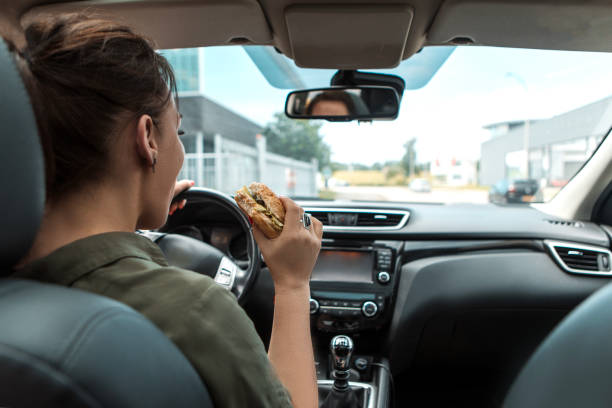
Plan breaks to eat, drink, smoke, or groom yourself safely off the road.
Keep items like food, drinks, or grooming tools out of immediate reach while driving.
Encourage passengers to handle minor tasks like adjusting music, passing drinks, or handing tissues.
Any activity that diverts your hands, eyes, or attention from driving is dangerous.
Prioritize safe driving at all times.
VIDEO DEVICES
Video devices such as screens, tablets, or in-car entertainment systems can easily distract drivers if not managed properly.
Even brief glances away from the road can lead to accidents.
Never place video devices where they can distract the driver’s attention.
Screens should not be in the driver’s line of sight.
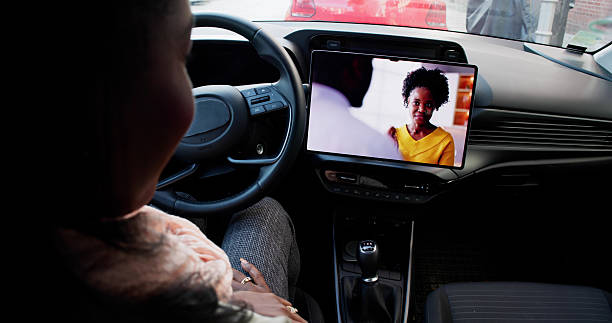
Passengers may use video devices, but the volume should be kept low so that the driver can still hear traffic signals, horns, and emergency vehicles.
Avoid watching or interacting with video devices while driving.
Even hands-free streaming that requires occasional glances can reduce attention.
If a video device requires interaction, pull over safely before using it.
Set up devices for passengers only, away from the driver’s view.
Use headphones for passengers if appropriate to reduce sound distractions.
Ensure that in-car entertainment does not interfere with conversations or the driver’s concentration.
Video devices are primarily for passengers; the driver should remain fully focused on the road at all times.
TALKING TO PASSENGERS OR OTHER DRIVERS
Conversations are a common source of distraction.
While some communication is necessary, lengthy or emotionally charged discussions can reduce focus and slow reaction times.

Avoid long, heated, or emotional conversations with passengers while driving.
Keep instructions or directions brief and clear.
Do not argue or engage in disputes with passengers or other road users.
Minimize talking on hands-free devices; prioritize driving over conversations.
If a conversation becomes distracting, focus on driving and address it later.
Encourage passengers to assist with tasks like navigation or minor adjustments, rather than distracting you with unrelated conversation.
Use signals and eye contact, rather than talking, when communicating with other drivers on the road.
Maintain a calm and focused mindset; even friendly chatter can reduce attention on complex driving situations.
Keep your attention on the road. Conversations should never compromise your ability to react quickly or make safe decisions.
GPS UNITS
GPS navigation is very helpful for drivers, but it can become a distraction if not used properly.
Focusing on the screen while driving can take your attention away from the road.
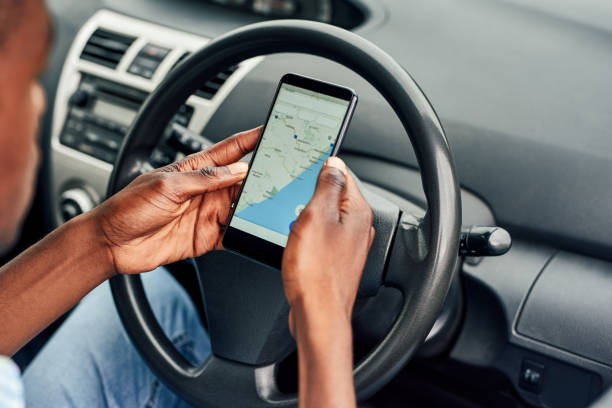
Set your GPS directions before starting your journey.
Do not adjust routes, zoom, or search for locations while driving.
Use voice-guided directions to minimize the need to look at the screen.
Position the GPS device where it is visible but does not block your view of the road.
If a change of route is needed, pull over safely before making adjustments.
Familiarize yourself with your route ahead of time to reduce reliance on the GPS.
Keep the GPS volume at a level that allows you to hear traffic and emergency signals.
Use passenger assistance for inputting new destinations if available.
GPS units should guide you, not distract you.
Prioritize road awareness and safety over interacting with the device while driving.