
Basic Mechanical Problems And Solutions
 1. Engine Will Not Start
- Dead or weak battery – Recharge or replace
- Loose or corroded battery terminals – Tighten and clean
- Empty fuel tank – Add fuel
- Faulty starter motor – Inspect or replace
- 2. Engine Overheating
Low coolant level – Refill
Radiator leak – Repair leaks
Faulty thermostat – Replace
Broken radiator fan – Repair or replace cooling fan
3. Engine Misfiring
Worn spark plugs – Replace
Faulty ignition coil – Replace faulty ignition components
Dirty fuel injectors – Clean
4. Excessive Fuel Consumption
Dirty air filter – Clean or replace
Incorrect tyre pressure – Inflate to correct pressure
Faulty oxygen sensor – Replace oxygen sensor
5. Engine Oil Leakage
Loose oil filter – Tighten or replace
Worn gaskets or seals – Replace
Cracked oil pan – Repair or replace
6. Battery Not Charging
Faulty alternator – Replace
Broken drive belt – Replace
Loose electrical connections – Tighten
7. Brake Failure or Poor Braking
Worn brake pads – Replace
Low brake fluid – Refill
Air in brake lines – Bleed brake system
8. Vehicle Pulls to One Side
Uneven tyre pressure – Adjust
Wheel alignment problem – Perform wheel alignment
Sticking brake caliper – Repair
9.Strange Noises from Suspension
Worn shock absorbers – Replace
Loose suspension components – Tighten suspension parts
Worn bushings – Replace
10. Clutch Slipping (Manual Transmission)
Worn clutch plate – Replace
Oil contamination – Repair oil leaks
Incorrect clutch adjustment – Adjust
11. Gear Hard to Engage
Low transmission fluid – Top up
Worn clutch components – Replace worn parts
Linkage problems – Adjust gear linkage
12. Excessive Exhaust Smoke
Blue smoke: burning oil – Repair piston rings or valve seals
Black smoke: too much fuel – Service fuel system
White smoke: coolant leak – Repair head gasket
13. Steering Feels Heavy
Low power steering fluid – Refill
Faulty power steering pump – Repair or replace
Under-inflated tyres – Inflate tyres properly
14. Headlights Dim or Not Working
Weak battery – Recharge or replace
Faulty alternator – Repair charging system
Blown fuse – Replace
15. Tyres Wearing Unevenly
Incorrect wheel alignment – Align wheels
Incorrect tyre pressure – Maintain correct tyre pressure
Worn suspension parts – Replace worn suspension parts
16. Engine Knocking
Low-octane fuel – Use correct fuel
Carbon buildup – Clean engine
Incorrect ignition timing – Adjust
17. Rough Idling
Dirty throttle body – Clean
Vacuum leak – Repair vacuum hoses
Faulty idle control valve – Replace idle valve
18. Engine Stalling
Clogged fuel filter – Replace
Faulty sensors – Repair
Low fuel pressure – Check fuel pump
19.Radiator Coolant Loss
Cracked hose – Replace
Loose radiator cap – Tighten/replace cap
Leaking water pump – Replace
20. Alternator Belt Noise (Squealing)
Loose or worn belt – Adjust or replace
21. Vehicle Vibrates While Driving
Unbalanced wheels – Balance
Worn tyres – Replace
Bent rim – Repair or replace
22. Brake Pedal Feels Spongy
Air in brake system – Bleed brake lines
Old brake fluid – Replace
23. Handbrake Not Holding
Worn brake shoes – Replace
Loose cable – Adjust or replace
24. Fuel Smell Inside Vehicle
Leaking fuel hose – Repair fuel line
Loose fuel cap – Tighten or replace
25. Exhaust System Noise
Broken exhaust pipe – Weld or replace
Loose muffler – Tighten mountings
26. Air Conditioner Not Cooling
Low refrigerant – Recharge
Faulty compressor – Repair or replace
27. Windscreen Wipers Not Working
Blown fuse – Replace
Faulty wiper motor – Replace motor
28. Starter Clicks But Engine Won’t Crank
Weak battery – Recharge
Bad starter solenoid – Replace
29. Engine Warning Light On
Sensor fault – Scan diagnostic codes
Emission problem – Repair faulty component
30. Vehicle Loses Power When Accelerating
Clogged air filter – Replace
Fuel delivery issue – Check fuel system
INTERMEDIATE & ADVANCED FAULTS AND SOLUTIONS
Intermediate/Advanced faults often require:
More experience
Diagnostic scanners
Specialized tools (torque wrench, multimeter, pressure tester)
Advanced mechanical knowledge
Many of these faults are preventable with:
Proper maintenance
Regular fluid checks
Timely replacement of wear-and-tear components
ENGINE & FUEL SYSTEM
1. Engine Overheating (Severe / Recurring) = Blown head gasket, warped cylinder head, radiator blockage
Solution:
Pressure test the cooling system
Replace head gasket
Machine or replace cylinder head
Flush radiator
2. Engine Oil Pressure Drops = Worn oil pump, blocked oil passages, worn engine bearings
Solution:
Inspect and replace oil pump
Clean or repair oil galleries
Replace bearings if necessary
3.Turbocharger Failure (Turbo Cars) = Oil starvation, excessive heat, worn bearings
Solution:
Replace turbo
Check oil supply lines
Reduce engine overheating
5. Fuel Injector Failure (Diesel / Petrol Direct Injection) = Clogged injector, electrical fault, worn nozzle
Solution: Clean or replace injectors and test injector wiring
TRANSMISSION & DRIVETRAIN
1. Automatic Transmission Slipping = Worn clutch packs, low transmission fluid, valve body issues
Solution:
Rebuild transmission
Refill or replace fluid
Repair or replace valve body
2. Gearbox Grinding (Manual Transmission) = Worn synchro rings, damaged gear teeth, low gearbox oil
Solution:
Replace synchro rings
Repair damaged gears
Refill or replace transmission oil
3. Differential Noise / Failure = Worn gears, low differential oil
Solution:
Replace differential gears
Refill or replace differential oil
Inspect and replace bearings
ELECTRICAL & ELECTRONICS
ECU / Engine Management Failure = Software corruption, faulty sensors, damaged ECU
Solution:
Reflash or replace ECU
Replace faulty sensors
Check wiring harnesses
2. Alternator Charging Failure Despite Replacement = Voltage regulator issue, wiring problem
Solution:
Test and replace voltage regulator
Repair wiring harness
3. ABS / Traction Control Light Stays On = Faulty wheel speed sensors, damaged ABS module
Solution:
Replace sensors
Repair or replace ABS module
SUSPENSION & STEERING
1. Power Steering Failure (Hydraulic / Electric) = Faulty pump, fluid leak, broken sensor (EPS systems)
Solution:
Replace pump
Repair leak
Replace EPS sensor
2. Steering Pull / Vibration After Wheel Alignment = Bent tie rod, worn ball joints, damaged control arms
Solution:
Replace bent or worn parts
Re-align wheels
3. Air Suspension Failure = Leaking air springs, failed compressor, sensor error
Solution:
Replace air springs
Replace compressor
Repair or replace sensors
BRAKE SYSTEM (ADVANCED ISSUES)
1.ABS Pump Failure / Brake Locking = Faulty ABS pump or module, air in hydraulic lines
Solution:
Replace ABS module/pump
Bleed brake system
2. Brake Fade Under Heavy Use = Overheated discs, glazed pads, contaminated brake fluid
Solution:
Replace pads and/or discs
Flush brake fluid
EXHAUST & EMISSION SYSTEMS
1. Catalytic Converter Blockage / Failure = Excessive carbon buildup, melted catalyst
Solution:
Replace catalytic converter
Check fuel system for running rich
2. EGR Valve Failure (Excess Emissions / Rough Idle) = Stuck or clogged valve
Solution: Clean or replace EGR valve
3. Diesel Particulate Filter (DPF) Clogging = Short trips, poor regeneration, soot buildup
Solution:
Forced regeneration
Replace DPF if damaged
HYBRID / ELECTRIC VEHICLE (EV) SPECIFIC FAULTS
1. Battery Pack Degradation = Age, deep discharge cycles, thermal issues
Solution: Replace or repair battery modules
2. Electric Motor Failure = Worn bearings, shorted coils, controller failure
Solution:
Repair or replace motor
Check motor controller
3. Regenerative Braking Malfunction = Faulty sensors, software error
Solution:
Update software
Replace sensors
VEHICLE DASHBOARD WARNING LIGHTS
RED WARNING LIGHTS
Require immediate action, usually indicate a serious fault.
1. Oil Pressure Warning = Low oil pressure
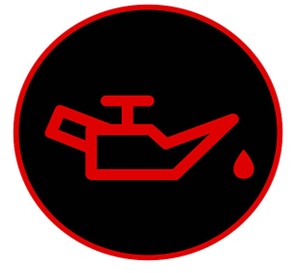
Stop engine immediately, check oil level, refill if low, do not drive if still on
2. Battery / Charging System = Battery not charging / alternator failure
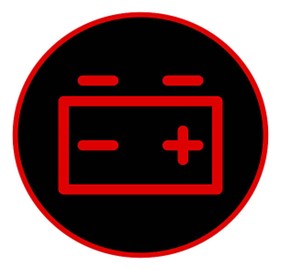
Stop safely, check battery and alternator
3. Brake System Warning = Parking brake on or brake fluid low / brake failure

Release handbrake, check brake fluid, do not drive if brakes fail
4. Engine Temperature Warning = Engine overheating

Stop safely, allow engine to cool, check coolant
5. Seatbelt Warning = Seatbelt not fastened
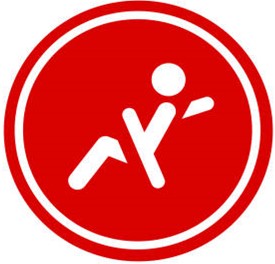
Fasten seatbelt immediately
6. Airbag / SRS Warning = Fault in airbag system

Service the system; airbags may not deploy
AMBER / YELLOW WARNING LIGHTS
Indicate caution, check system soon, safe to drive short distance.
1. Check Engine / Malfunction Indicator (MIL) = Engine management issue

Scan with OBD-II, fix problem
2. ABS Warning = Anti-lock brake system fault

Brake normally, get ABS serviced
3. Traction Control / ESP = Traction control activated or system fault
Normal driving is okay, check system if light stays on

4. Tire Pressure Monitoring System (TPMS) = Low tyre pressure

Check and inflate tyres to recommended pressure
5. Fuel warning = Low fuel level

Refuel soon
GREEN/ BLUE / WHITE LIGHTS: INFORMATIONAL
Indicate system is active.
1. High Beam Indicator = Headlights on high beam
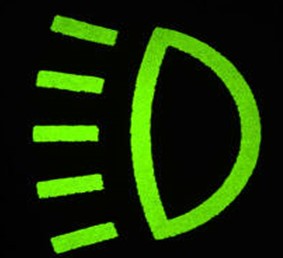
No action needed
Turn Signal Indicator = Left / right indicator active

No action needed
Cruise Control Active = Cruise control engaged

No action needed
Headlight / Fog Light On = Lights are on

No action needed