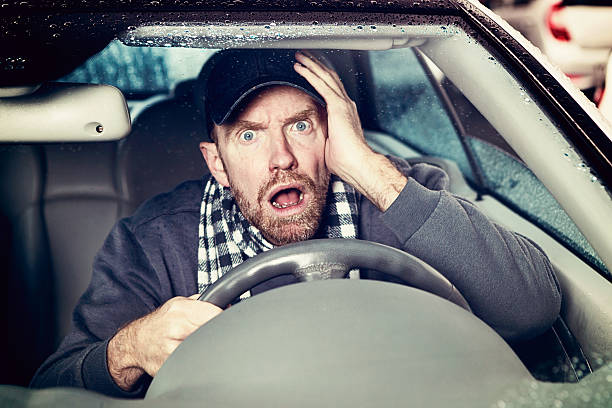
If You Witness An Accident
Being the first person at the scene of a collision is a critical responsibility.
Your quick actions can save lives and your observations are important for police and emergency services.

IMMEDIATE ACTIONS AT THE SCENE
Pull completely off the road beyond the collision to avoid creating another hazard.
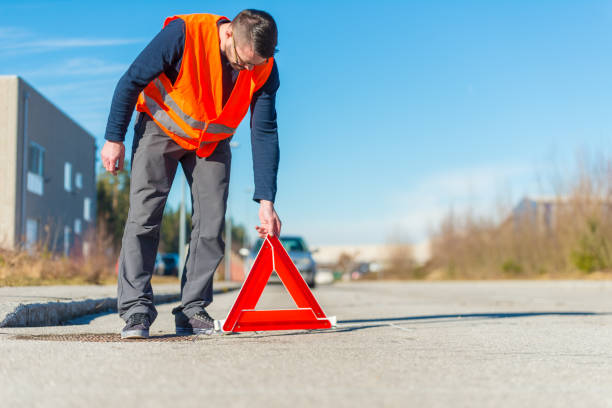
Turn on your emergency lights and place reflective triangles or other warning devices 50–100 meters from the scene to alert oncoming traffic.
Do not use flares if there is a risk of spilled petrol or diesel.
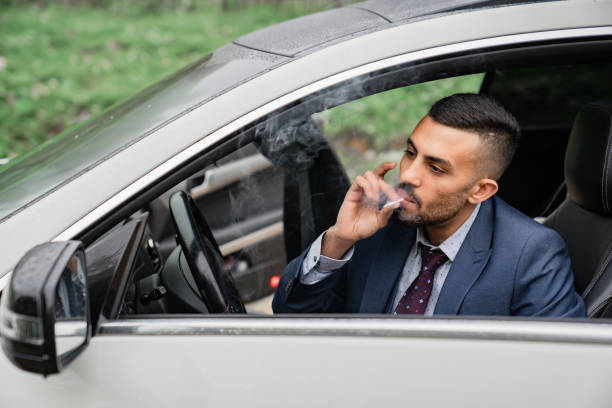
Do not smoke near the scene.
Turn off the ignition of all vehicles involved.
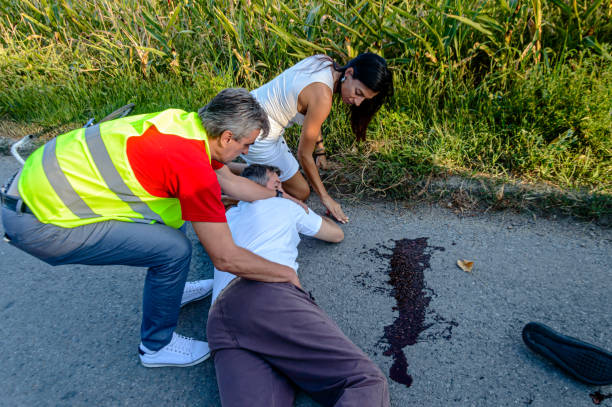
Check for injured people, but do not move them unless their safety is in immediate danger, as moving them can worsen injuries.
Provide first aid, rescue breathing, or CPR if you are trained.
NOTIFYING EMERGENCY SERVICES
Call the police or emergency services immediately, or ensure the next person who stops does so.
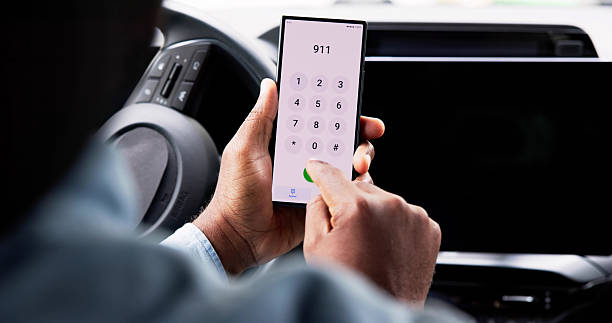
Be ready to provide:
Location of the collision (cross streets, freeway entrance/exit details)
Phone number being used
Nature of injuries or hazards
Presence of bleeding or unconscious victims
If victims have no pulse
Whether first aid is being administered
Do not hang up until the dispatcher ends the call.
WHILE WAITING FOR HELP
Remain at the scene until authorities arrive.
Move vehicles out of traffic if they are not disabled.
Search for victims who may have been thrown from vehicles, they could be hidden in grass, bushes, or other obstacles.
IF EMERGENCY HELP IS ALREADY PRESENT
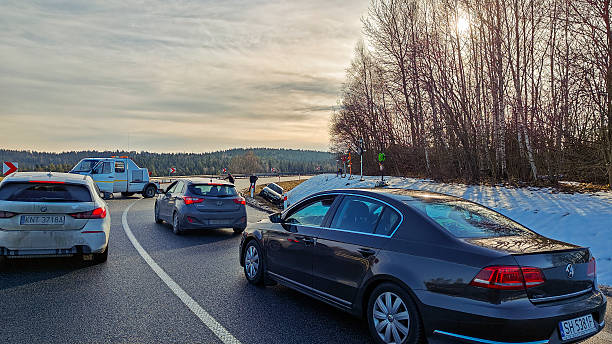
Keep moving unless directed to stop by police or emergency responders.
Avoid slowing down to view the accident, as this can cause secondary collisions.
KEY TAKEAWAY
Stay calm, secure the scene, assist victims safely, and provide accurate information to emergency services.
Your quick and careful actions can save lives and prevent further accidents.