Driving In The City And Towns
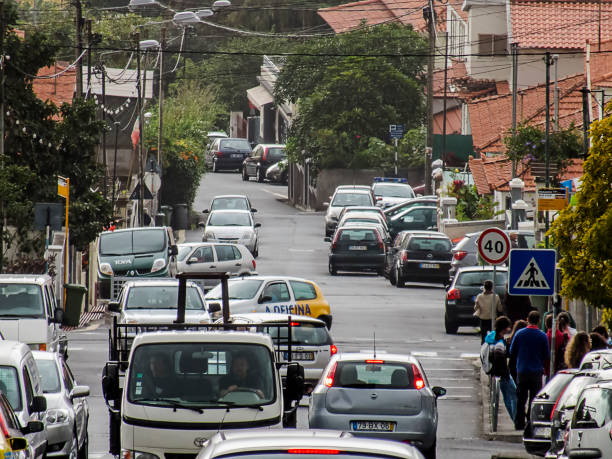
Driving in urban areas can be challenging due to the high volume of vehicles, pedestrians, cyclists, and complex traffic patterns.
City driving requires constant awareness, quick decision-making, and vehicle care.
CHALLENGES OF CITY DRIVING
High traffic density: Many vehicles, pedestrians, and cyclists sharing the road.
Reduced visibility: Bad weather, darkness, or poorly lit streets make hazards harder to see.
Vehicle wear: City driving stresses tires, brakes, and clutch due to frequent stops and starts.
VEHICLE PREPARATION
Check tire pressure weekly.
Follow frequent maintenance schedules if driving mainly in the city.
Ensure brakes, clutch, and lights are in optimal condition.
PLANNING AHEAD
Scan the road ahead for obstacles such as:
Double-parked vehicles
Cars exiting alleys or parking lots
Pedestrians crossing unexpectedly
By anticipating hazards, you gain extra time to adjust speed or change lanes safely.
LANE CHANGING IN THE CITY
Avoid darting into lanes suddenly.
Follow proper procedures:
Check mirrors for traffic behind.
Scan the lane for vehicles and obstacles.
Use your signal.
Do a shoulder check.
Look ahead to a 15–30 second target.
Steer smoothly and move gradually into the lane.
STOPPING AND FOLLOWING
Stop far behind the vehicle in front to leave space for:
Vehicles that stall
Being pushed safely in case of a rear-end collision
Keep checking mirrors while stopped to monitor traffic behind.
Watch for vehicles that may merge into your lane around obstacles such as buses or double-parked cars.
MANAGING STRESS AND AGGRESSIVE DRIVERS
City driving can be frustrating, especially after a long day.
Do not let stress affect your judgment or reaction time.
Anticipate inconsiderate behavior and always choose the safe course of action rather than retaliating.
INTERSECTIONS AND ONE-WAY STREETS
Scan both the road ahead and cross traffic before entering intersections, even if you have the right-of-way.
More than half of urban collisions occur at intersections.
Pay attention to traffic direction; one-way streets are common.
Avoid consulting maps or devices while driving pull off the road safely first.
KEY TAKEAWAY
City driving requires patience, awareness, and proper planning.
By scanning ahead, following safe procedures, and maintaining your vehicle, you reduce risk, avoid collisions, and make urban driving safer for yourself and everyone else on the road.