Dmv Permit Test 51

By Teacher David Global  •  Free

1. To prevent yourself from becoming an aggressive driver:
A. Relax and concentrate on driving.
B. Drive above the posted speed limit.
C. Tailgate the driver in front of you.
2. When being passed by another vehicle:
A. Brake hard.
B. Maintain a constant speed.
C. Speed up.
3. Night driving presents unique problems because:
A. The speed limit is increased at night.
B. There are fewer cars on the roads at night.
C. Distance and vehicle speed are difficult to judge in the dark.
4. Before you enter an intersection, you should look to your:
A. Left, your right, then your left again.
B. Right.
C. Left.
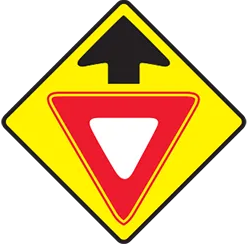
5. This sign means:
A. Yield sign ahead.
B. Side road entering from left.
C. Stop sign ahead.
6. If you approach a stopped school bus that has its lights flashing and signal arm extended, you should:
A. Stop.
B. Proceed at 15 mph if no children are present.
C. Proceed at normal speed, but watch for children.
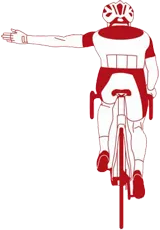
7. This bicyclist is signaling:
A. A left turn.
B. An upcoming stop.
C. A right turn.
8. An orange-colored sign like this means:
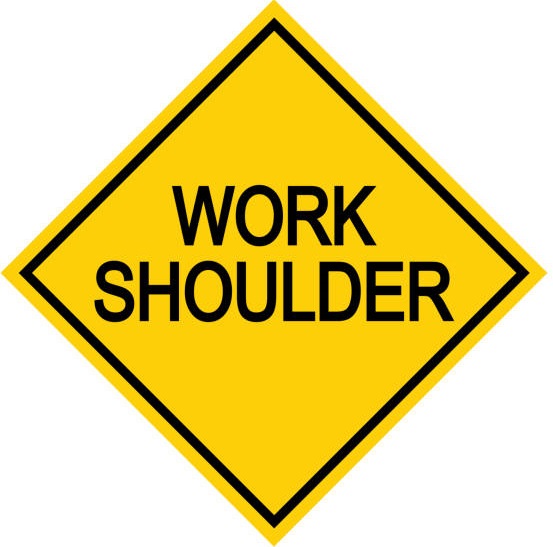
A. There is roadwork ahead.
B. You must change lanes ahead.
C. There is a detour ahead.
9. Blind spots are:
A. Spots in your vision when you become fatigued.
B. Areas of the road that cannot be seen in a vehicle's mirrors.
C. Traffic control devices.
10. If pedestrians are illegally crossing in the middle of the street instead of in a crosswalk, you:
A. Must stop for them.
B. Do not have to stop for them.
C. Should honk your horn at them.
11. Distracted driving is:
A. Anything that causes evasive action while driving.
B. Anything that takes your attention away from driving.
C. Anything that causes you to pay more attention to driving.
12. If you are driving and you see animals standing near the roadway:
A. Speed up to scare them away.
B. Slow down and proceed with caution.
C. Quickly swerve into the next lane.
13. Which of the following is not a safe driving practice when driving on the interstate?
A. Slower traffic must keep to the right.
B. Change lanes without signaling.
C. If you miss your exit, you must go to the next exit.
14. Just like alcohol and other drugs, drowsiness can:
A. Help you to be a better driver.
B. Make you feel better.
C. Impair your judgment.
15. A distraction when driving is:
A. Anything that causes evasive action while driving.
B. Anything that takes your attention away from driving.
C. Anything that causes you to pay more attention to driving.
16. Fatigue increases the risk of:
A. Missing an exit.
B. Being late for an appointment.
C. Falling asleep behind the wheel and crashing.
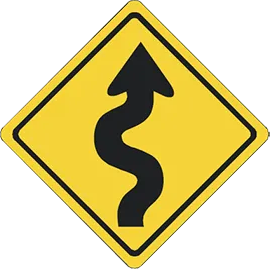
17. This road sign means:
A. Sharp turn to the right ahead.
B. Upcoming sharp left and right turns.
C. Winding road ahead.
18. Before stopping your vehicle at a traffic signal or sign, you should:
A. Press down hard on the accelerator.
B. Check your mirrors for surrounding traffic.
C. Set the parking brake.
19. If you drive more slowly than the flow of traffic, you will most likely:
A. Interfere with traffic and receive a ticket.
B. Improve traffic flow.
C. Demonstrate defensive driving techniques.
20. As the percentage of alcohol (BAC) in your blood increases, you become:
A. More intoxicated.
B. More sober.
C. More coordinated.
21. A steady green traffic light at an intersection means:
A. Increase your speed.
B. Adjust your mirrors.
C. You may continue through the intersection at a safe and reasonable speed, if it is clear to do so.
22. When should drivers adjust their mirrors, seats, and steering wheels?
A. Before turning on their vehicles.
B. While backing out of their driveways.
C. Before reaching speeds of 55 mph or above.
23. Remove all snow, frost, and ice from:
A. Just the windshield.
B. All windows.
C. Just the windshield and passenger window.
24. When driving in work zones, you should:
A. Follow the driver in front of you closely.
B. Pass the driver in front of you as soon as you can.
C. Avoid tailgating and keep a safe following distance.
25. Various traffic control devices in construction and maintenance work areas are the color:
A. Red.
B. Orange.
C. Yellow.
26. It is unlawful to:
A. Pass another vehicle in any marked no passing zone.
B. Pass another vehicle over a railroad crossing.
C. Both of the above.
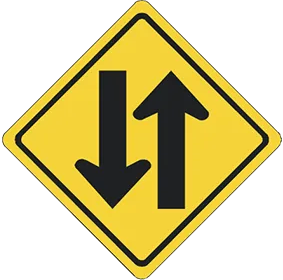
27. This sign means:
A. You can travel in either direction in this lane.
B. There is two-way traffic.
C. You are approaching a divided highway.
28. If you are feeling fatigued while driving, you should:
A. Increase your speed to reach your destination more quickly.
B. Increase the volume of your radio.
C. Find a safe parking area to take a short nap.
29. What is an important step in turning?
A. Check traffic in all directions.
B. Increase your speed.
C. Always move to the left lane.
30. When approaching a person who is crossing the street while using a white cane or guide dog, you should:
A. Stop until the person is well away from your path of travel.
B. Honk your horn as you proceed past them.
C. Carefully drive around them.