
Choking
Choking occurs when an object or food blocks a person’s airway, which can lead to suffocation.
Knowing how to help a choking person is a vital lifesaving skill.
SIGNS THAT SOMEONE IS CHOKING
COUGHING
If the person is coughing, crying, or talking, they can still breathe.
Encourage them to keep coughing to try to clear the obstruction.

Blue or Discolored Face/Lips: Indicates oxygen deprivation.
Unable to Make Noise: The person cannot speak, cry, or cough effectively.
Grabbing the Neck: A universal signal that someone is choking.
Veins in Face or Neck Bulging: Shows the person is struggling to breathe.
Unconsciousness: If the person becomes unconscious, immediate emergency intervention is needed.
CHOKING FOR ADULTS AND CHILDREN OVER 1 YEAR
HEIMLICH MANEUVER (ABDOMINAL THRUSTS)
To forcefully expel an object blocking the airway in anyone over 1 year of age.
Should be used only if the person cannot talk, breathe, or cough.
Warning: This maneuver uses strong abdominal pressure and may cause internal injuries or cracked ribs, but it can save a life.

STEPS TO PERFORM THE HEIMLICH MANEUVER
Stand behind the person and wrap your arms around their waist.
Make a fist with one hand and place it just above the person’s navel, below the ribcage.
Grasp the fist with your other hand.
Perform quick, inward and upward thrusts into the abdomen.
Repeat thrusts until:
The object is expelled, or
The person becomes unconscious.
If the person becomes unconscious:
Lower them gently to the ground.
Call for medical help immediately.
Begin CPR if the person is not breathing.
Always encourage coughing first if the person can still breathe.
The Heimlich maneuver should not be used on infants under 1 year, who require a different technique.

Use extreme caution and only perform the Heimlich maneuver if the person cannot talk, breathe, or cough.
After the person has stopped choking, they should be checked by medical professionals to make sure there is no internal injury from the abdominal thrusts.
It is better to risk internal injury if it helps the person breathe again, because not performing the maneuver could lead to death by suffocation.
HOW TO PERFORM HEIMLICH MANEUVER
Ask the person if they are choking.
If they can talk, breathe, or cough, do not perform the Heimlich maneuver.
Only proceed if they cannot respond and are clearly choking.
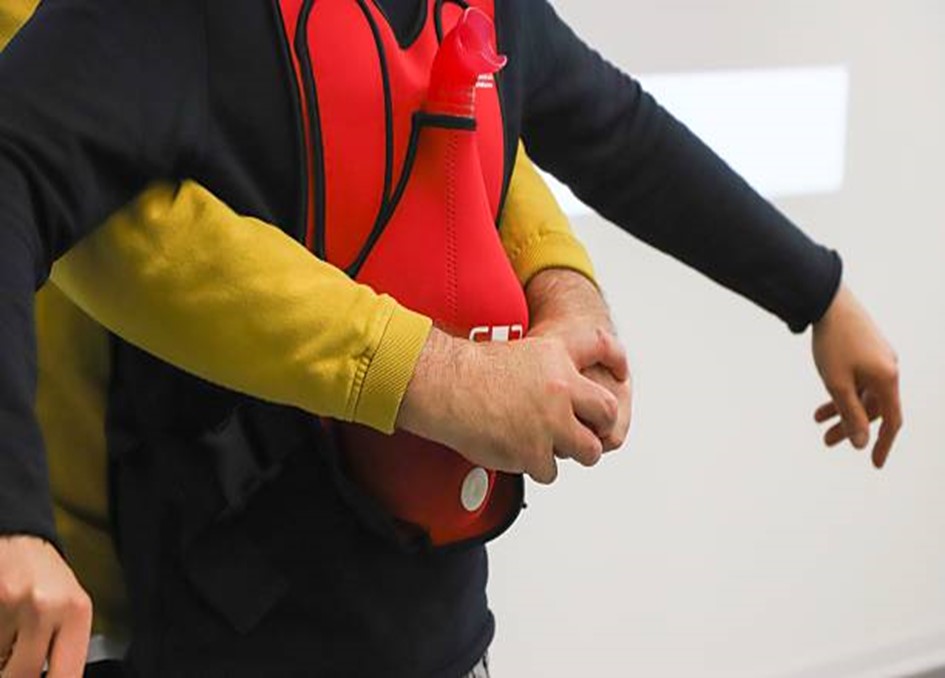
Position yourself behind the person and wrap your arms around their waist.
Make a fist with one hand and hold it with your other hand.
Place the thumb side of your fist just above the person’s belly button but below the rib cage.
Perform abdominal thrusts:
Push your fist quickly and firmly into the stomach, slightly upwards toward the rib cage.
Continue strong thrusts until the object is expelled or the person becomes unconscious.
HOW TO HELP CHOKING UNCONCIOUS
ADULTS AND OVER 1 YEAR
Call for help immediately and have someone get medical assistance.
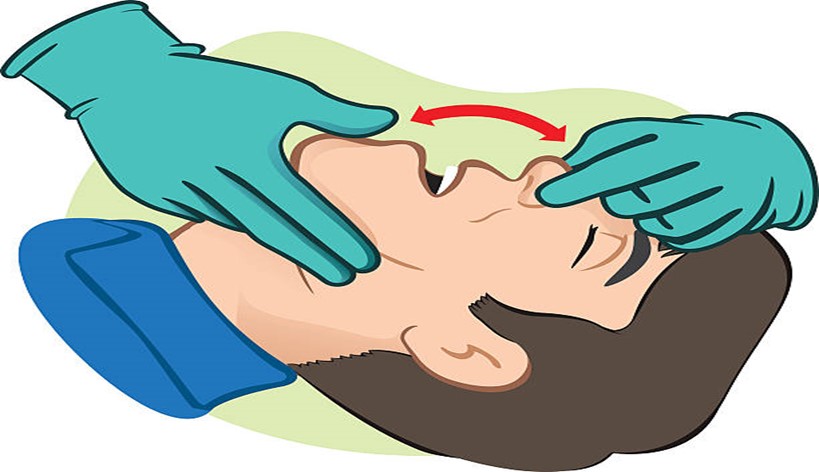
Lay the person on their back on a firm surface.

Open the mouth to see if any object is visibly blocking the airway.
If you see something, remove it carefully.
Do not reach your fingers down the throat to try to remove an object, as this may push it further down.
Start CPR: Use cycles of 30 chest compressions followed by 2 rescue breaths.

Check chest movement during rescue breaths:
If the chest rises, air is flowing and the airway is clear.
If the chest does not rise, the airway is still blocked.
Clear the airway if blocked:
Open the mouth and check for visible objects again.
Do not blindly reach into the throat.
Abdominal thrusts on an unconscious person:
Kneel over the victim.
Place your hands in the same location as the Heimlich maneuver (above the belly button, below the rib cage).
Push hard and quickly, repeating until the object is expelled.
Continue CPR cycles, if necessary, until medical help arrives or the person starts breathing normally.
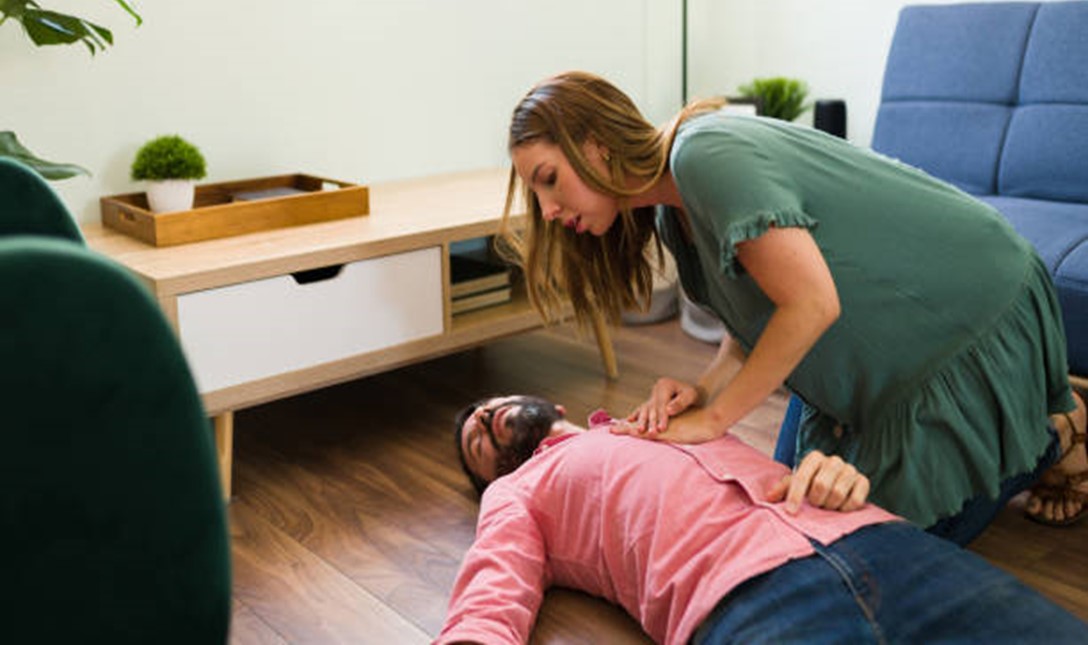
Do not stop CPR until medical help arrives, or the person starts breathing normally.
If the person starts breathing, place them in the recovery position:
Lay them on their side.
Keep the head slightly tilted back to maintain an open airway.
Bend the top leg at the knee to prevent rolling onto the stomach.
Continue to monitor DR. ABC (Danger, Response, Airway, Breathing, Circulation) while waiting for help.
HOW TO HELP CHOKING INFANTS UNDER 1 YEAR
Check the scene for safety and make sure the infant is uninjured.
Ask for help and have someone call for medical assistance immediately.
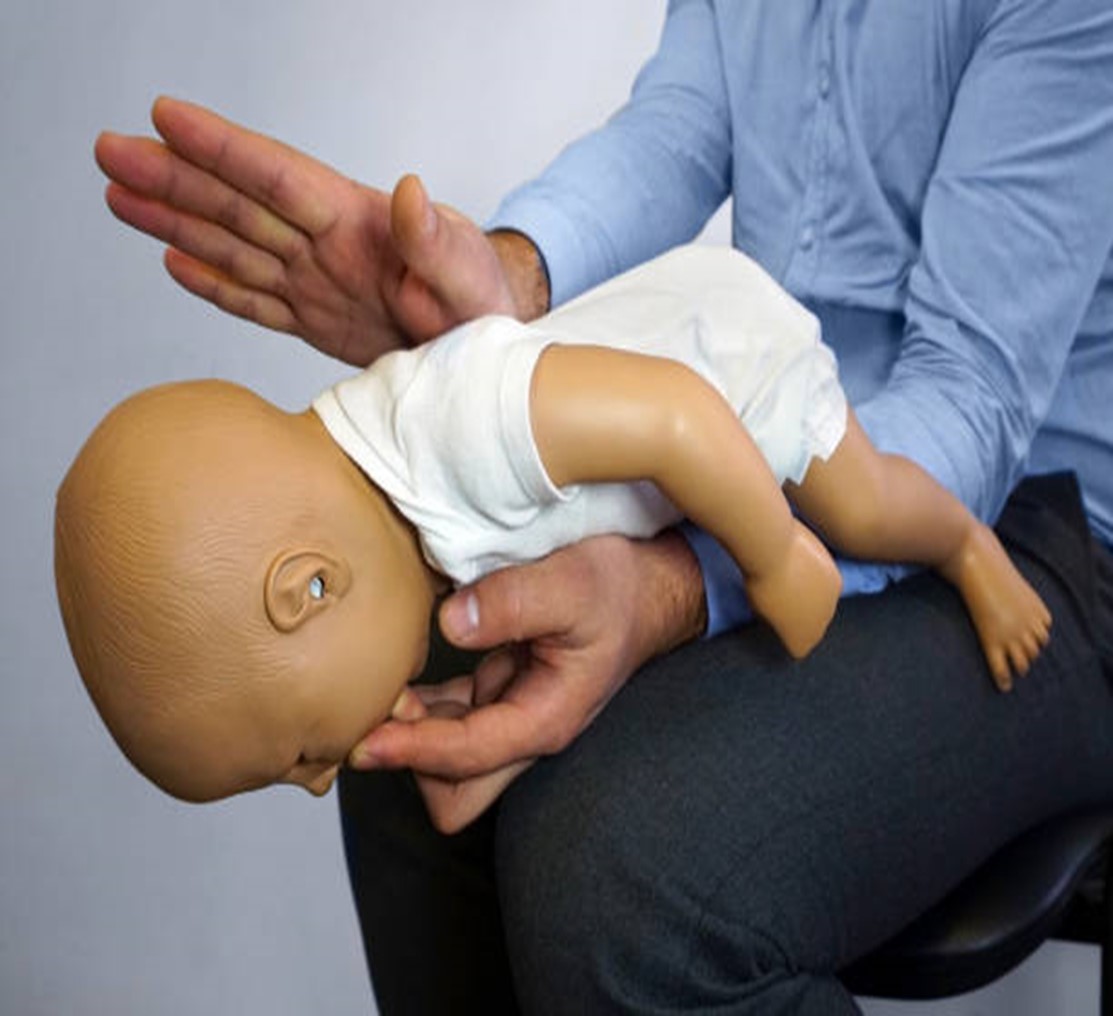
Lay the infant face down on your forearm, supporting their head and neck with your hand.
BACK BLOWS
Use the heel of your hand to give 5 firm back blows between the infant’s shoulder blades.
Ensure the head is lower than the chest to let gravity help dislodge the object.
CHEST THRUSTS
If the object is not expelled, turn the infant onto their back on your forearm.
Place two fingers on the center of the chest (just below the nipple line).
Give 5 quick chest thrusts, pressing about 1/3 of the chest depth.
Repeat the sequence of 5 back blows and 5 chest thrusts until the object comes out or the infant becomes unconscious.
If the infant becomes unconscious, start infant CPR immediately:
Place the infant on a firm surface.
Give 30 chest compressions followed by 2 rescue breaths.
Continue CPR until medical help arrives or the infant begins breathing.
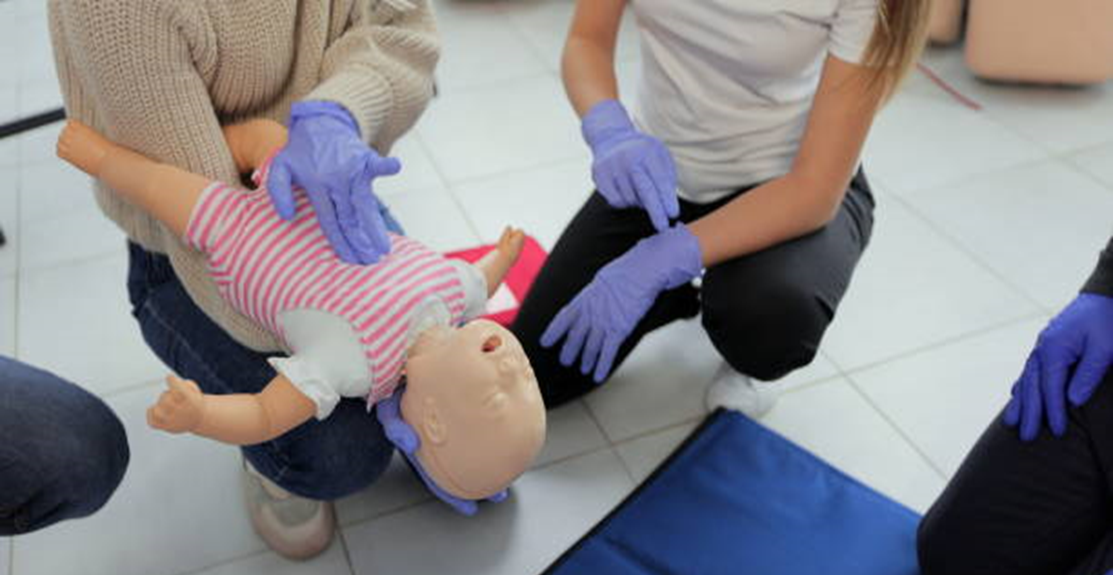
Only give back blows and chest thrusts if the infant cannot cry, breathe, or cough.
Do not perform these procedures if the infant is able to cry, breathe, or cough.
GIVE BACK BLOWS
Lay the infant face down on your forearm.
Support the jaw with your fingers and the chest with your hand.
Rest your arm on your leg for stability.
Keep the head lower than the body.
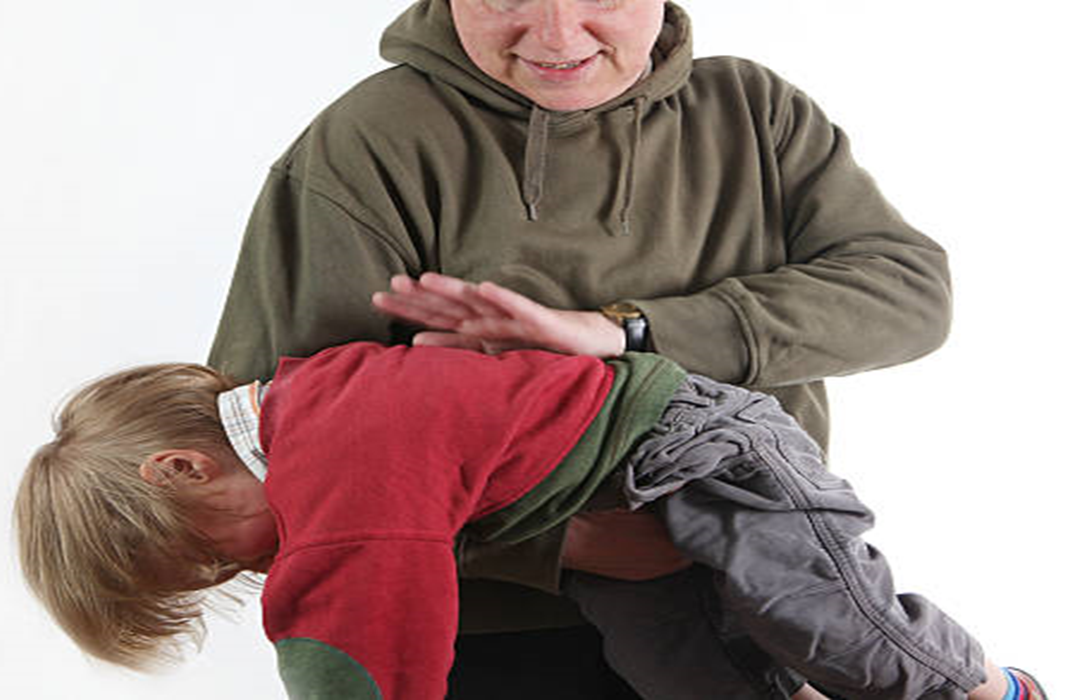
Use the palm of your free hand to deliver 5 firm back blows between the infant’s shoulder blades.
After each blow, check if the object has been expelled.
If the object has not come out, turn the infant face up, lying on your leg or lap.
Support the infant’s head with one hand.
Place two fingers of your other hand on the center of the chest (between the nipples).
Deliver 5 quick chest compressions, pressing about 1/3 to 1/2 of the chest depth.
These compressions are similar to infant CPR chest compressions.
Continue cycles of 5 back blows and 5 chest thrusts until the object is expelled or the infant becomes unconscious.
If the infant becomes unconscious:
Begin infant CPR immediately.
Call for medical help.
Continue CPR until help arrives or the infant starts breathing.
If the infant is still choking, continue cycles of 5 back blows and 5 chest compressions until the object is expelled or the infant becomes unconscious.
If the infant becomes unconscious, shout for help and have someone secure immediate medical attention.
Open the infant’s mouth to see if there is a visible object blocking the airway.
Do not reach your fingers down the throat if you cannot see the object, as this could push it farther in.
Perform cycles of 30 chest compressions followed by 2 rescue breaths.
Use two fingers on the center of the chest (between the nipples) for compressions.
While giving rescue breaths, observe if the infant’s chest rises.
If the chest rises, air is flowing and the airway is clear.
If the chest does not rise, the airway is still blocked.
Open the mouth and check for visible objects.
Remove any visible object without blindly reaching into the throat.
Keep performing cycles of compressions and breaths until:
The object is expelled,
The infant starts breathing, or
Medical help arrives.
Open the infant’s mouth to see if there is a visible object.
Remove it only if you can see it.
Do not reach blindly into the throat, as this could push the object farther down.
Continue cycles of 30 chest compressions followed by 2 rescue breaths.
Use two fingers on the chest (between the nipples) for compressions.
Do not stop CPR until:
Medical help arrives and instructs you to stop, or
The infant starts breathing normally.
If the infant starts breathing, maintain an open airway by placing them in the recovery position for infants.
Continue to monitor airway, breathing, and circulation (DR. ABC) until medical personnel arrive.

SELF HEIMLICH MANEUVER IF YOU ARE CHOKING
Only perform this if you cannot talk, breathe, or cough.
If you can talk, breathe, or cough, do not attempt the maneuver.
Make a fist with one hand and hold it with your other hand.
Place the thumb side of your fist just above your belly button but below your rib cage.
Perform quick, strong upward thrusts into your stomach.
Repeat until the object is expelled.
Lean over the edge of a sturdy table, chair, or railing.
Press the upper part of your stomach forcefully into the edge.
Continue thrusts until you stop choking.
Even if the object is expelled, seek medical attention immediately to ensure no internal damage occurred.