Bite Wounds And Stings
Bite wounds and stings can come from humans, animals, or insects.
They can cause pain, swelling, bleeding, and infection.
Some bites and stings may transmit diseases or cause allergic reactions, which can be life-threatening.
Prompt first aid can reduce pain, prevent infection, and save lives.
MAMMAL BITES
Do you know which infection can be transmitted through mammal bites?
RABIES
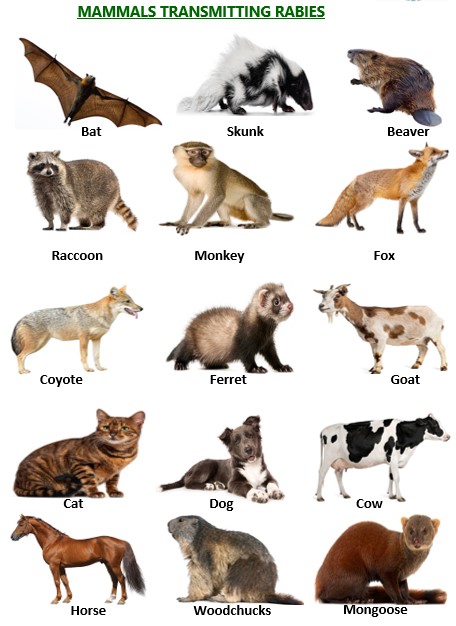
Rabies is a serious infection that can be transmitted through animal bites.
If not treated immediately, rabies is almost always fatal.
While rabies is mostly transmitted by wild animals, domestic animals like dogs and cats can also carry it.
Rabies is only transmitted through mammals, not through snakes, scorpions, or spiders.
SIGNS AND SYMPTOMS OF RABIES
Often, a person may not show any signs of rabies until the disease has already developed.
Immediate medical attention is required if a person develops any of the following symptoms after a bite:
Fever
Weakness
Headache
Itching or pricking sensations at the bite wound
Agitation
Confusion
Insomnia
When giving first aid to a mammal bite victim, it is important to ask for help.
Always have someone secure medical help and, if possible, do not leave the victim alone.
TREATING MAMMAL BITE WOUNDS
PERFORM DR ABC
If possible, wash your hands thoroughly with soap and water (or ash if soap is unavailable) before giving first aid.
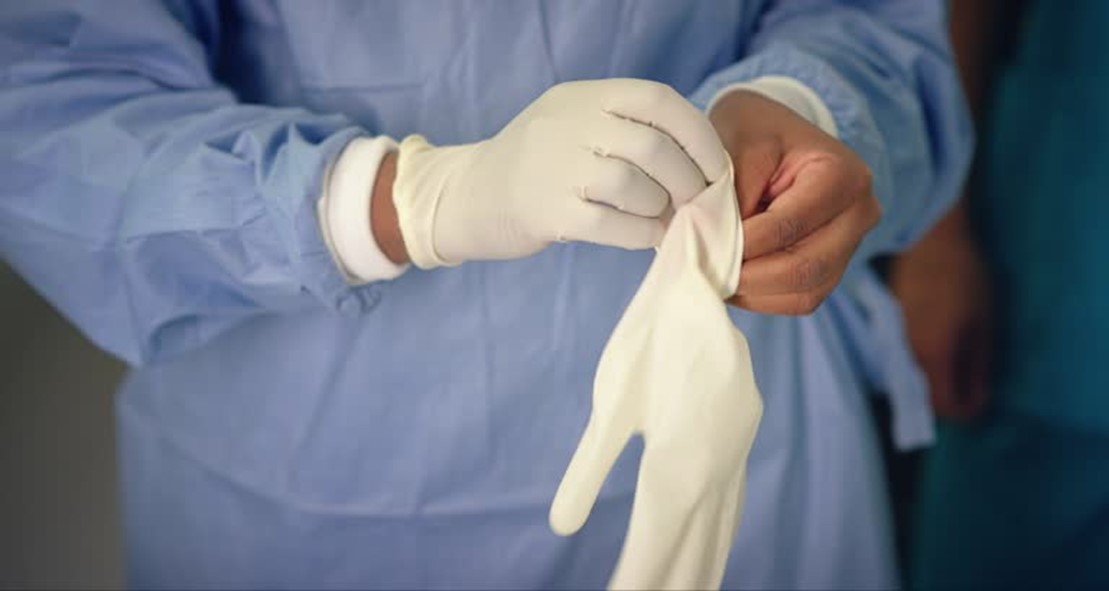
Wear gloves or use plastic bags on your hands if available to protect yourself.
Control bleeding if the bite wound is bleeding. Bite wounds can sometimes bleed severely and lead to significant blood loss.
Whether or not the bleeding is controlled, the bite wound must be thoroughly cleaned.
Clean the wound after bleeding is controlled or while using a tourniquet if necessary.
Use cool, boiled water to pour over the wound.
Take a clean strip of cloth and gently clean the wound with soap or ash to help prevent infections, including rabies.
If available, apply a thin layer of honey over the wound to prevent infection and aid healing.
Cover the wound with gauze, a bandage, or a clean cloth.
Wash your hands thoroughly after giving first aid.
Medical attention is required immediately for all mammal bite victims.
Continue monitoring the ABCs (airway, breathing, circulation) while waiting for medical care.
Clean the wound and change the bandage daily until it is fully healed.
Note: Many bite wounds occur in children due to a lack of awareness or care around wild or unfamiliar animals.
SNAKE BITES
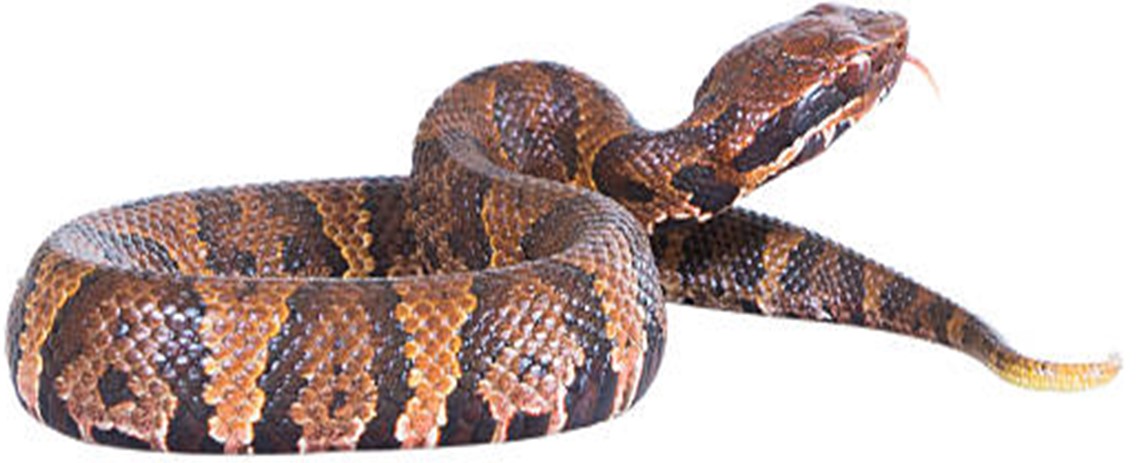
All snake bites should be treated as poisonous and require immediate medical attention.
It is difficult to distinguish between poisonous and non-poisonous snakes, so medical care is essential.
If possible, note the features of the snake (color, size, patterns) to describe it to medical personnel.
Medical personnel will likely administer antivenin to counteract any potential poisoning.
When giving first aid to a snake bite victim, it is important to ask for help.
Always have someone secure medical help and, if possible, do not leave the victim alone.
Do NOT suck the venom out with your mouth or attempt to catch the snake.
HOW TO TREAT SNAKE BITE WOUNDS
Perform DR. ABC to check danger, response, airway, breathing, and circulation.
If possible, wash your hands with soap or ash before giving first aid.
Wear gloves or use plastic bags on your hands if available, to protect yourself.
Thoroughly clean the bite wound with cool, boiled water and soap or ash to remove some of the venom.
Remove any jewelry, rings, or tight clothing, as snake bites can cause swelling.
Swelling can cut off circulation, so removing tight items prevents further complications.
Apply a thin layer of honey or antibiotic cream over the bite wound, and cover it with gauze, a bandage, or a clean cloth.
Keep the person calm and lying down until medical help arrives or until they can be transported to medical care. This helps slow the spread of venom.
Wash your hands thoroughly after giving first aid.
Continue monitoring the ABCs (airway, breathing, and circulation) while waiting for medical care.
SNAKE BITE WOUND ON THE LEG
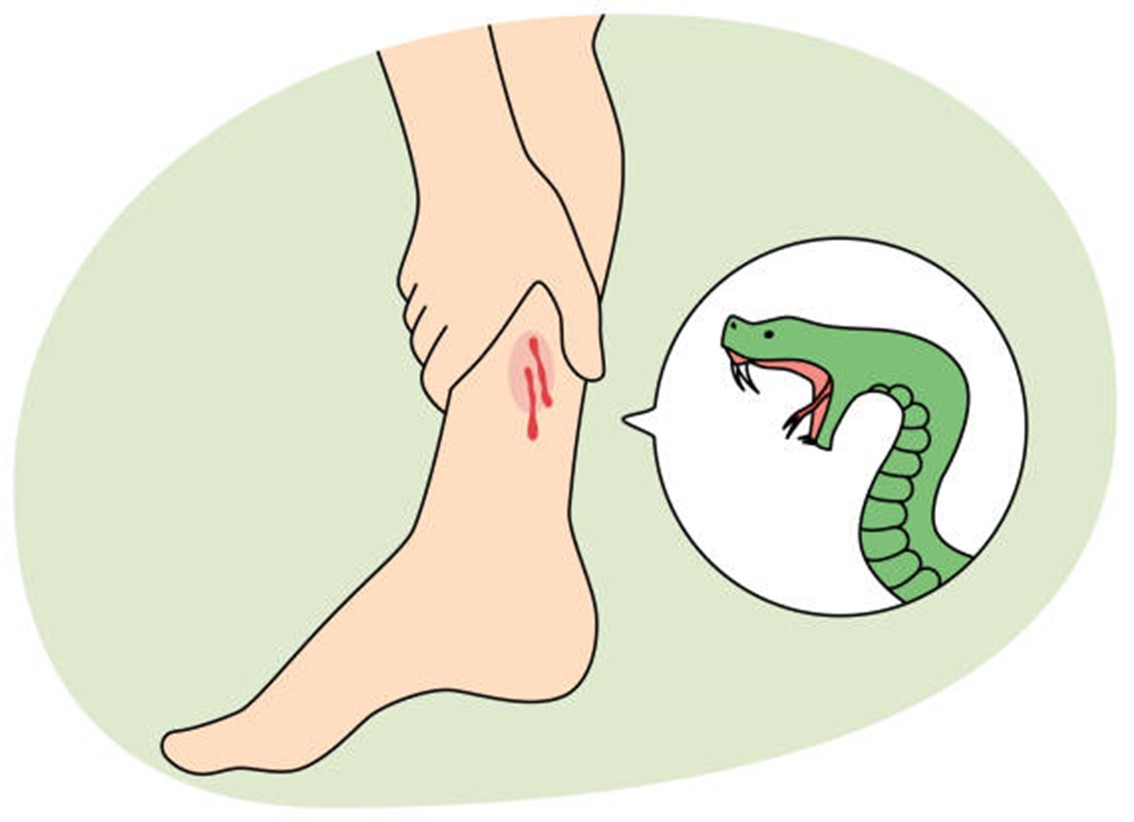
Keep the leg immobilized by using a stick or splint to maintain it in a straight position.
Wrap the stick above and below the knee to prevent bending at the joint.
Monitor the leg for swelling, changes in temperature, and discoloration.
If the person experiences tingling or loss of sensation in the leg, loosen the wrap immediately.
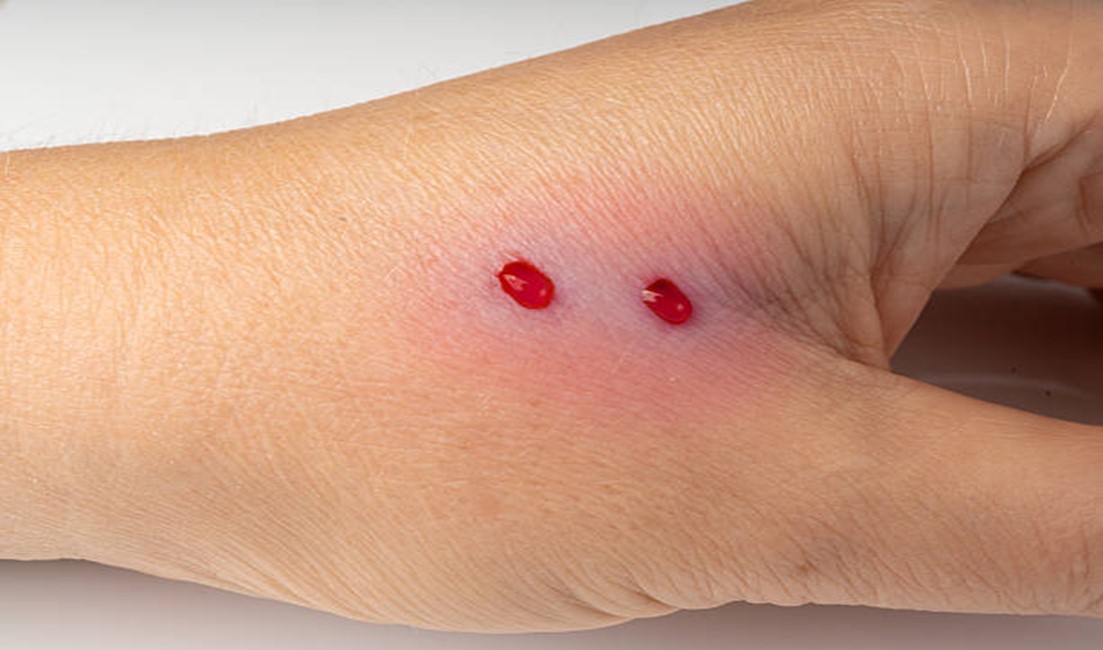
SNAKE BITE WOUND ON THE ARM
If the bite is in the arm, have the person bend their arm at a 90° angle and hold it across their body.
Immobilizing the arm or leg helps slow the spread of snake venom.
SNAKE BITE WOUND IN THE EYES
Use cool, clean water to rinse the eyes.
Pour the water from the inner corner of the eyes (near the nose) outward.
Continue rinsing for about 20 minutes to help flush out venom or irritants.
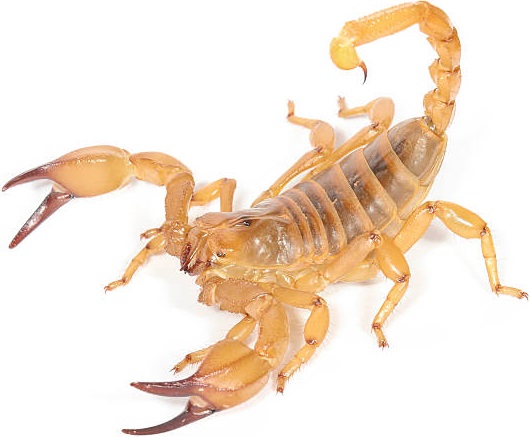
SPIDER AND SCORPION BITE STINGS
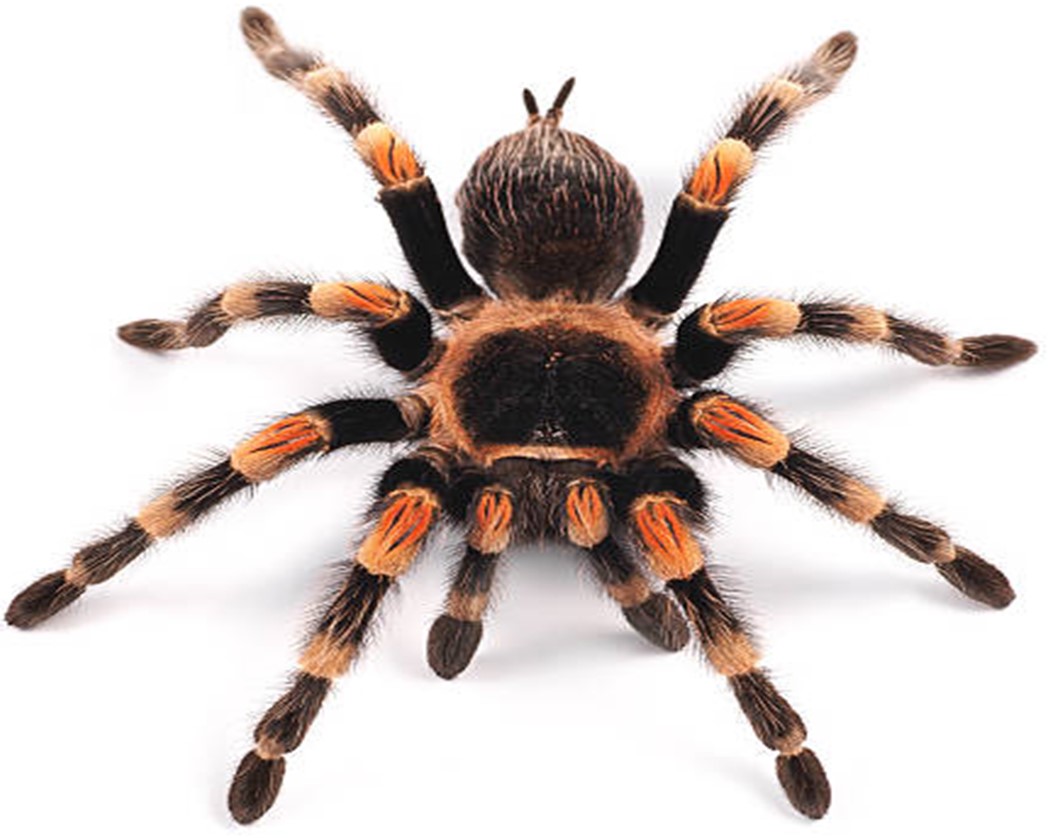
Many spider bites and scorpion stings can be treated without medical attention.
Most bites or stings will be very painful and may cause swelling.
Medical attention is required if the pain does not improve after several hours.
Important: All children who are stung by scorpions should be seen by medical personnel
TREATING SPIDER OR SCORPION BITES
Perform DR. ABC to check danger, response, airway, breathing, and circulation.
If possible, wash your hands with soap or ash before giving first aid.
Wear gloves or use plastic bags on your hands if available to protect yourself.
Thoroughly clean the bite or sting with cool, boiled water and soap or ash to help remove some of the venom.
Remove any jewelry, rings, or tight clothing from around the bite or sting area to prevent circulation problems if swelling occurs.
If ice is available, wrap it in a cloth and apply it to the wound for 20 minutes.
If ice is unavailable, pour cool water over the wound for 20 minutes to help reduce swelling.
Repeat this process several times as needed.
Wash your hands thoroughly after giving first aid.
Continue monitoring the ABCs (airway, breathing, and circulation) while waiting to see if the person improves.
If the pain does not decrease, seek medical attention immediately.
ALLERGIC REACTION TO SPIDER BITES OR SCORPION STINGS
Some people may have a severe reaction to spider bites or scorpion stings.
This is known as an allergic reaction.
Allergic reactions can be serious and may require immediate medical attention.
SIGNS AND SYMPTOMS
Common signs of a severe allergic reaction to spider bites or scorpion stings include:
Wheezing
Shortness of breath
Tightness in the chest
Dizziness
Fainting
Swelling of the throat, which can block breathing

Allergic reactions are very serious and can be life-threatening.
Get the person to medical care immediately.
Medical personnel may give epinephrine, a drug that stops the allergic reaction.
Some people carry an EpiPen (a self-administered epinephrine injection) if they know they are allergic to bites or stings.
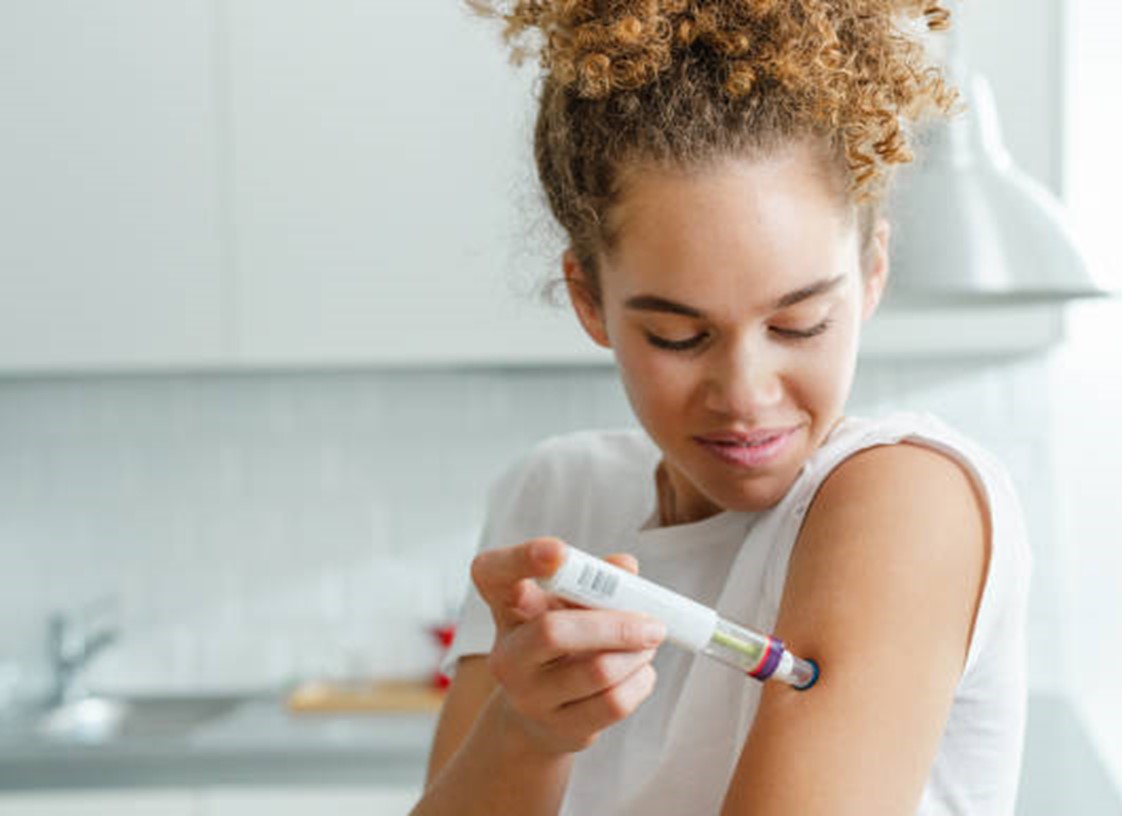
If the person has an EpiPen, encourage them to use it themselves.
If they are unable to do it themselves, remove the cap and firmly press the needle end into their outer thigh.
The needle can go through clothing. Follow the instructions on the device carefully.
Do NOT use someone else’s EpiPen for the victim.
After the injection, seek medical care immediately, as epinephrine can affect the heart and requires professional monitoring.