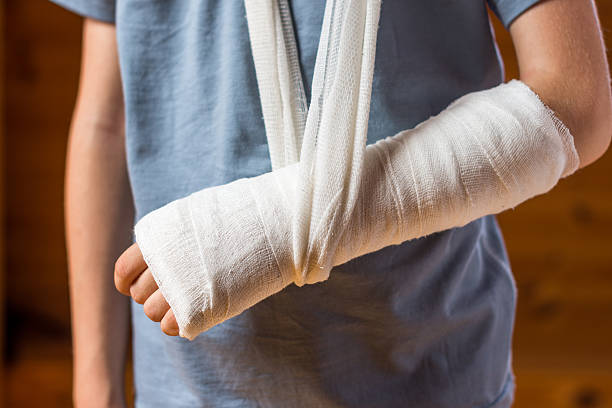
Treating Broken Bones
PERFORM DR ABC
Before giving first aid, always assess the person using the DR ABC method:
D – Danger: Ensure the scene is safe for both you and the injured person.
R – Response: Check if the person is conscious and responsive.
A – Airway: Make sure the person’s airway is clear.
B – Breathing: Check if the person is breathing normally.
C – Circulation: Check for a pulse and any severe bleeding.
DANGER
Ensure the scene is safe for both you and the injured person.
If the scene is not safe, leave the area and try to move the person to safety if possible.
RESPONSE
Check if the person is conscious.
If they are unconscious but breathing, place them in the recovery position, only if there is no suspected head, neck, or back injury.
The recovery position helps the person maintain an open airway.
If they are unconscious, immediately check their airway and breathing.
AIRWAY
Ensure the person’s airway is open.
Check for obstructions such as secretions, saliva, or vomit.
DRAG (3 PEOPLE)
This move is used only to remove an injured person from danger.
Use it for short distances over smooth surfaces.
One person should hold the head to keep the neck straight.
Two other people should grab the legs and drag the person.
This method helps to keep the spine naturally straight.
Avoid twisting or bending the person’s bod
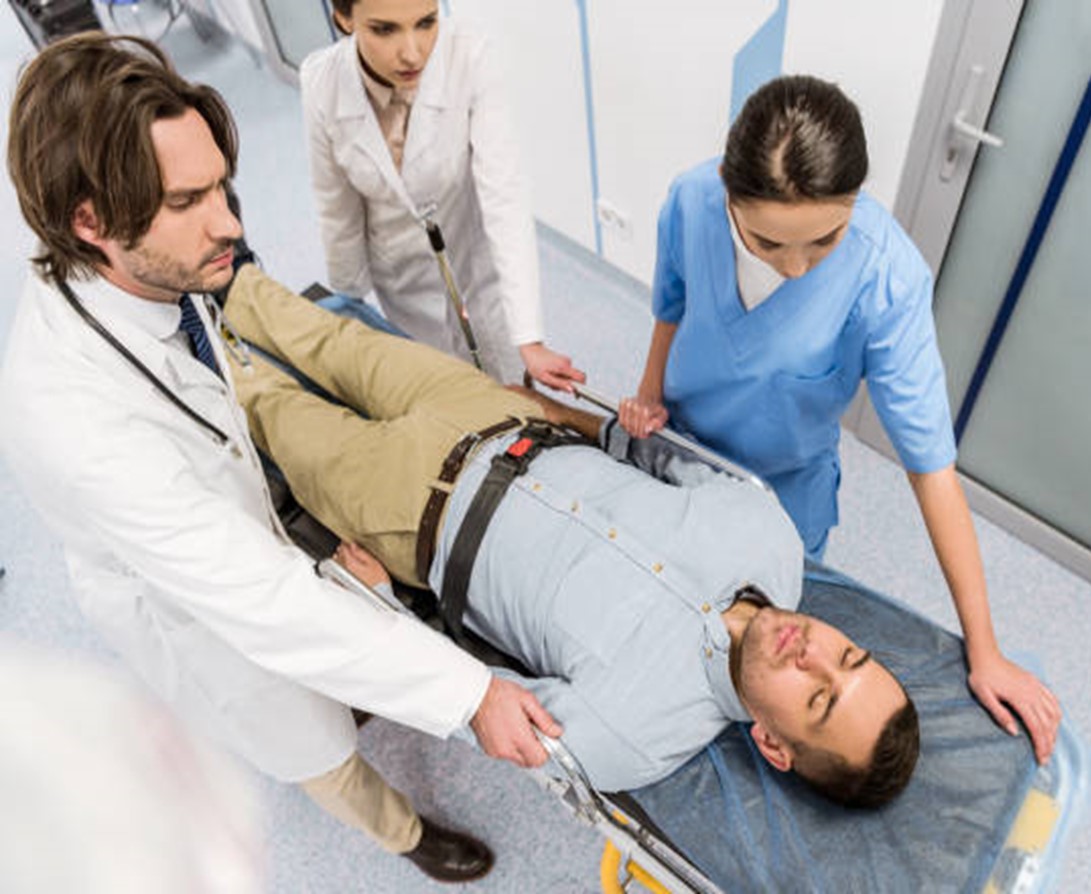
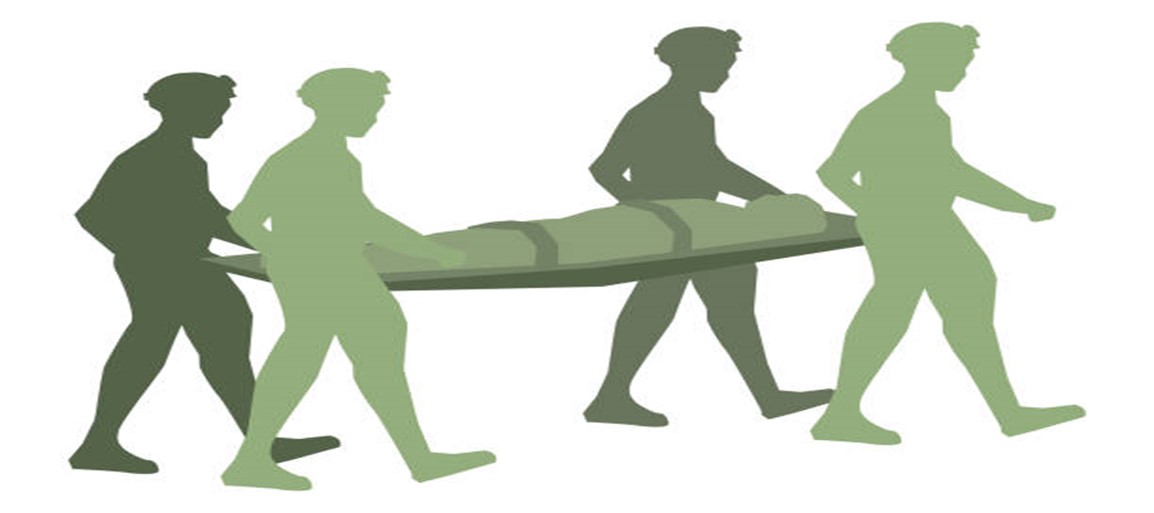
LOG, ROLL AND STRETCHER (4 PEOPLE)
One person must hold the injured person’s head and keep the neck straight throughout the entire moving process.
Two helpers should position themselves on the same side of the injured person.
One helper should be positioned at the torso, and the other at the legs.
The helper at the legs should place one hand on the injured person’s thigh and the other on their lower back.
The helper at the torso should cross their arm over the arm of the helper at the legs and place their hand below the injured person’s buttocks.
The helper at the torso should use their free hand to hold the injured person’s upper torso near the shoulder.
On the count of three, the two helpers should roll the injured person towards them onto their side in one smooth motion.
The person holding the head must keep the neck and spine in a straight line at all times.
The fourth person should slide a stretcher or stiff board under the injured person’s back.
On the count of three, gently lower the injured person onto their back on the stretcher.
Use strips of cloth to tie around the injured person’s legs and torso to secure them firmly to the stretcher.
While transporting the person, ensure someone continues to hold and stabilize the head.
Using a stretcher or stiff board allows the injured person to be moved while keeping their spine straight and protected.
BROKEN OR DISLOCATED BONES
Broken or dislocated bones can be caused by road traffic accidents, falls, assaults, and sports injuries.
These injuries always require medical attention and can show a variety of signs and symptoms.
When in doubt, treat the injury as broken or dislocated.
Both broken and dislocated bones should be managed the same way initially.
This guide focuses on helping people with broken or dislocated arms or legs.
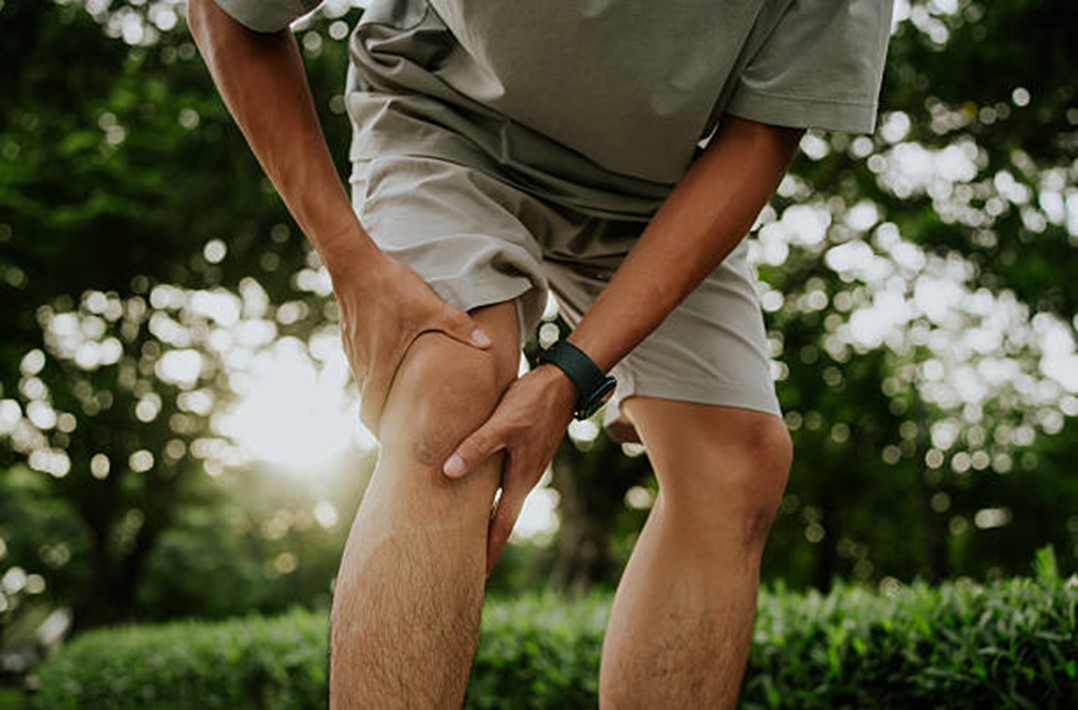
Signs and symptoms of a fracture or dislocation (a person may experience one or more of these):
Pain at the site of injury
Inability to move the injured area
Bruising or swelling in the injured area
Deformity of the area
Grinding of the bones (heard or felt by the victim, known as “crepitus”)
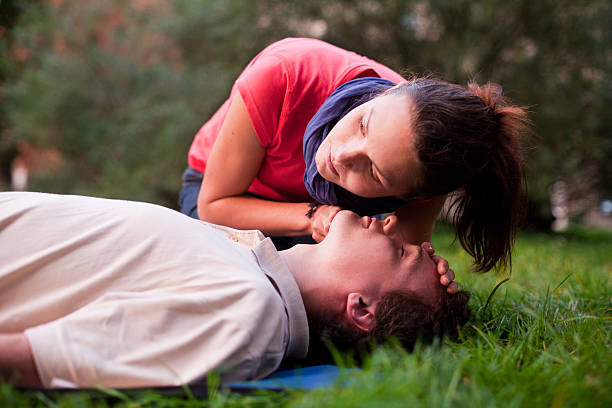
CHECKING BREATHING IN AN UNCONSCIOUS PERSON
Observe if the chest is rising and falling.
Listen at the mouth and nose for airflow.
Feel next to the nose and mouth to detect air movement.
If the person is unconscious and not breathing, start CPR immediately.
Remember: If a person can talk or cry, they are able to breathe.
CIRCULATION
Check if the person’s heart is beating.
Feel for the carotid pulse (pulse in the neck) to confirm that their heart is beating.
Remember: If a person is conscious, their heart is normally beating.
TREATMENT
If there are open wounds, wash your hands thoroughly with soap and water (or ash if soap is unavailable) before giving first aid.
Wear gloves or use plastic bags on your hands if available to protect yourself.
Control any bleeding by applying direct pressure to the wound using a clean cloth.
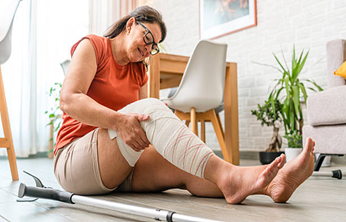
Instruct the person to remain still and avoid putting any weight on the broken or dislocated area.
BROKEN OR DISLOCATED LEG
Keep the leg immobilized by using a stick or splint to keep it straight.
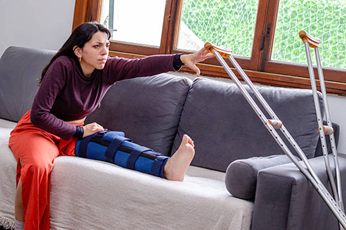
Wrap the stick above and below the break or dislocation to prevent bending.
Monitor the leg for swelling, temperature changes, and discoloration.
If the person begins to feel tingling or loses feeling in the leg, loosen the wrap immediately.
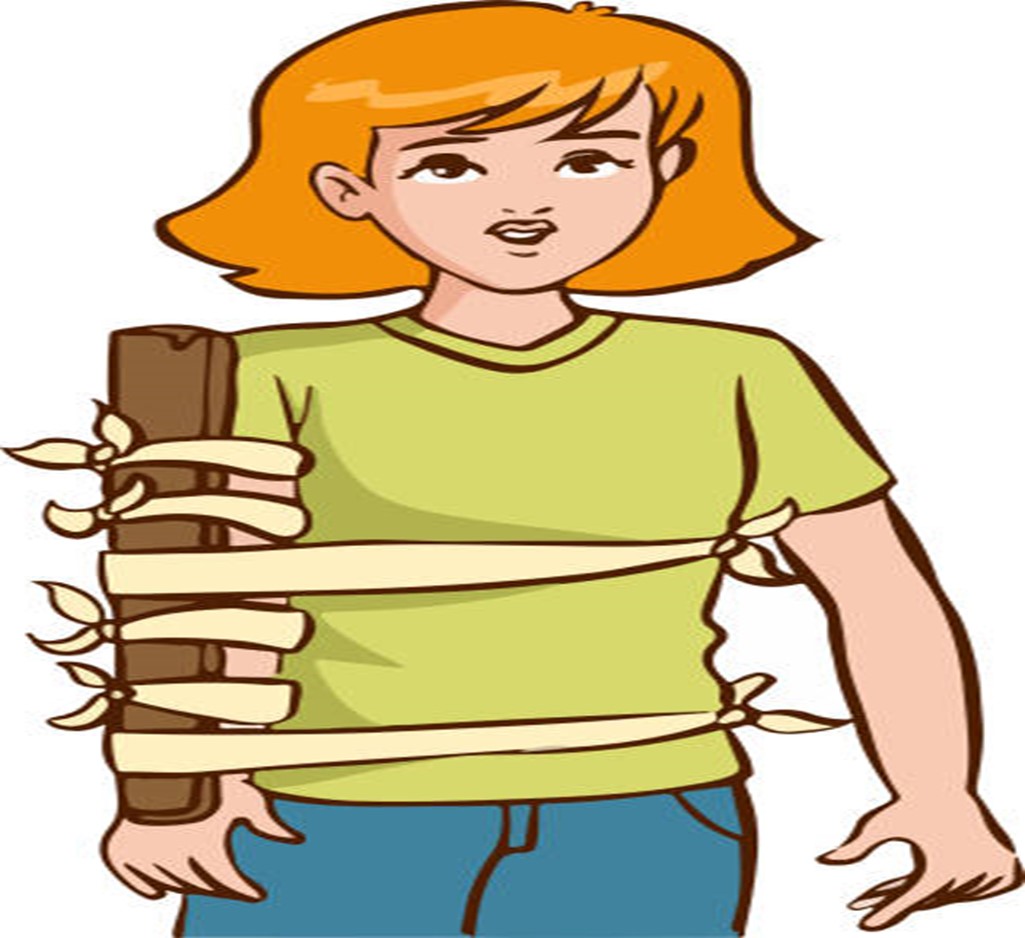
BROKEN OR DISLOCATED ARM
If the injury is in the arm, have the person bend their arm at a 90° angle and hold it across their body.
Ensure the injured person stays warm, but avoid overheating.
Continue monitoring the ABCs (airway, breathing, and circulation) while waiting for medical care.
Medical care is always required for broken or dislocated bones.