Introduction To First Aid Training
First aid is an essential skill that everyone should know.
You do not need to be a medical professional to provide basic care, but it is important to know what to do in emergencies.
The purpose of first aid is to:
Prevent diseases
Slow down or stop medical emergencies
Save lives
Reflect: Have you ever helped someone who was injured?
How did you assist them?
This training will cover common injuries and teach you how to help people effectively using minimal medical equipment.
There will be practical sessions so you can feel confident and comfortable applying these techniques in real-life situations.
CAUSES OF INJURIES IN THE WORLD
Assault – Physical attacks that cause harm.
Road Traffic Accidents – Injuries from collisions involving vehicles, pedestrians, or cyclists.
Soft Tissue Injuries – Includes pulled muscles, sprains, and strains.
Cut Wounds – Injuries caused by sharp objects.
Dog Bites – Bites from domestic or stray animals.
Falls – Injuries from slipping, tripping, or falling from heights.
Burns – Injuries caused by heat, chemicals, electricity, or fire.
Poisoning – Injuries caused by ingestion, inhalation, or contact with toxic substances.
STEPS TO TAKE BEFORE PERFORMING FIRST AID
APPLY DR. ABC
D – danger – Check for any dangers to yourself, the injured person, or bystanders.
Ensure the area is safe before approaching.
R – response – Check if the injured person is conscious.
Gently shake their shoulders and ask questions like “Can you hear me?” or “Are you okay?”
A – airway – Make sure the person’s airway is clear.
Remove any obstruction from the mouth or throat if it is safe to do so.
B – breathing – Look, listen, and feel for normal breathing.
If the person is not breathing, be ready to give rescue breaths.
C – circulation – Check for signs of circulation such as a pulse, coughing, or movement.
If there is no pulse, start chest compressions if trained to do so.
IMPORTANT NOTES
ABC should always be checked before helping any injured person.
This ensures your safety and identifies life-threatening conditions that need immediate attention.
Always ask for help.
Having another person can make you feel more confident.
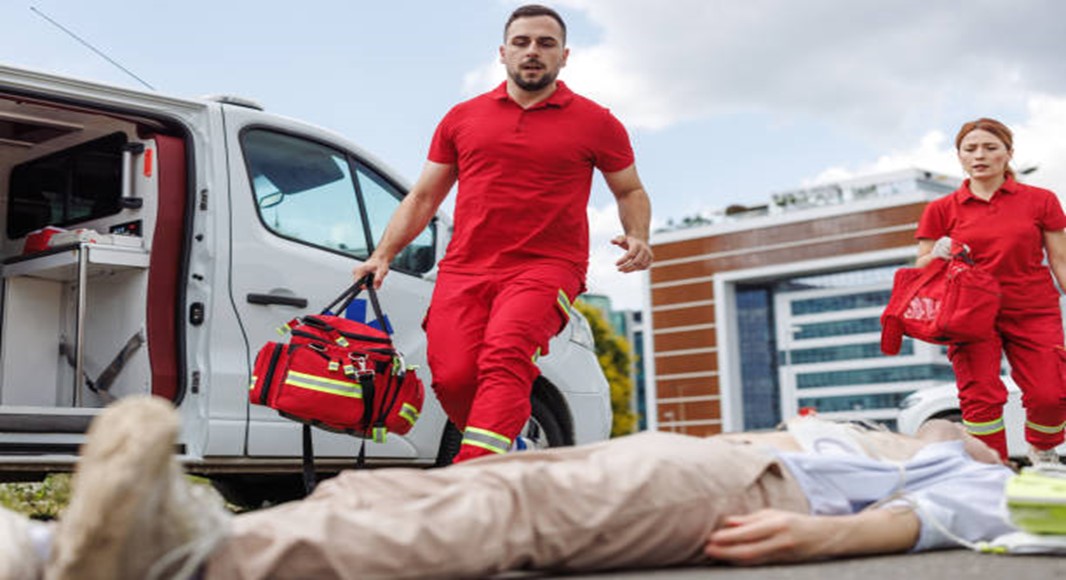
An extra set of hands may save a life.
D – DANGER
Check if the scene is safe: Look for hazards such as fire, traffic, electrical wires, or aggressive people.
If the scene is not safe:
Do not approach immediately.
Call for additional help or emergency services.
If possible, safely move the injured person away from the danger.
Why this matters: If you try to help in an unsafe area, you could get hurt too, resulting in two people needing first aid instead of one.
If the scene is safe: You can proceed to provide care for the injured person.
R – RESPONSE
Check if the person is conscious
Are they aware of their surroundings?
Can they respond to questions or commands?
If the person is not responding:
Gently shake their shoulders.
Call them by name if you know it.
If the person is responding but seems confused or unable to hold a conversation:
Ask them to tell you their name.
Observe their ability to respond appropriately to simple questions.
Purpose: Assessing response helps determine the severity of the situation and guides the next steps in first aid.
A – AIRWAY
Check if the airway is clear
Is anything blocking the injured person’s throat, preventing them from breathing?
Common blockages include:
Secretions – such as saliva, blood, or vomit.
Objects – food, small items, or debris.
The person’s tongue – can fall back and block the throat, especially if unconscious.
Carefully remove visible obstructions if safe to do so.
Avoid pushing objects further down the throat.
Position the person to keep the airway open (e.g., tilt the head slightly back for an adult).
Ensuring a clear airway is critical because no other first aid will work if the person cannot breathe.
B – BREATHING
Check if the person is breathing:
Are they taking breaths?
Is their breathing too shallow, too deep, or normal?
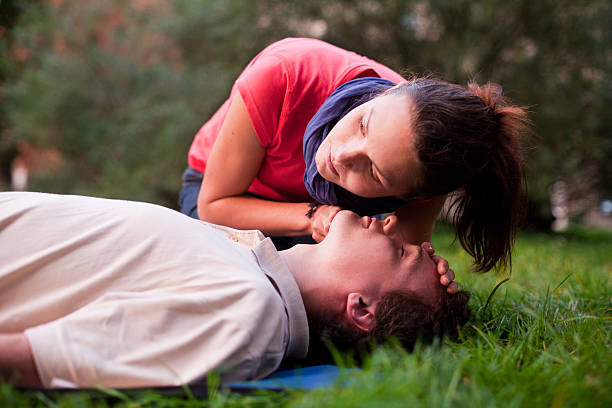
Technique to check breathing (Look, Listen, Feel):
Look – Watch the chest for rising and falling.
Listen – Place your ear near the person’s mouth to hear air movement.
Feel – Feel for air on your cheek or hand as the person exhales.
Ensuring proper breathing is critical; if the person is not breathing, you may need to start rescue breathing immediately.
Look – Observe if the person’s chest is rising and falling.
Listen – Place your ear near the person’s mouth/nose to hear if air is coming out.
Feel – Feel for air coming out of the person’s nose or mouth.
IMPORTANT NOTES
Just because the chest is moving does not mean air is actually moving through the airway.
Always listen and feel for air coming from the nose or mouth.
Normal breathing rate: 12–20 breaths per minute.
A simple way to check: match the rate and depth of your own breathing to theirs and “feel” if it is normal.
If the person is not breathing or breathing very shallowly/slowly, CPR and medical help are needed immediately.
If the person can talk, cough, or cry, they are able to breathe.
CIRCULATION (C)
Check if the person’s heart is beating.
You can check for a heartbeat by:
Placing your ear on the person’s chest to listen for the heartbeat, or
Feeling for a pulse at the neck (carotid artery) or wrist (radial artery)
IMPORTANT NOTES
If there is no pulse, CPR must be started immediately.
Maintaining circulation is critical to ensure oxygen reaches vital organs.
Always continue to monitor breathing and pulse until professional medical help arrives.
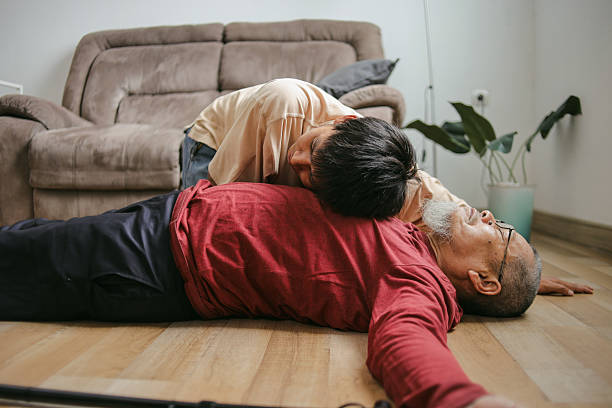
Check if the person’s heart is beating.
You can do this in two ways:
Listening: Place your ear on the person’s chest to listen for a heartbeat.
Feeling for a pulse (easier method)
A pulse is found where a blood vessel is close to the skin.
The pulse beats at the same rate as the heart.
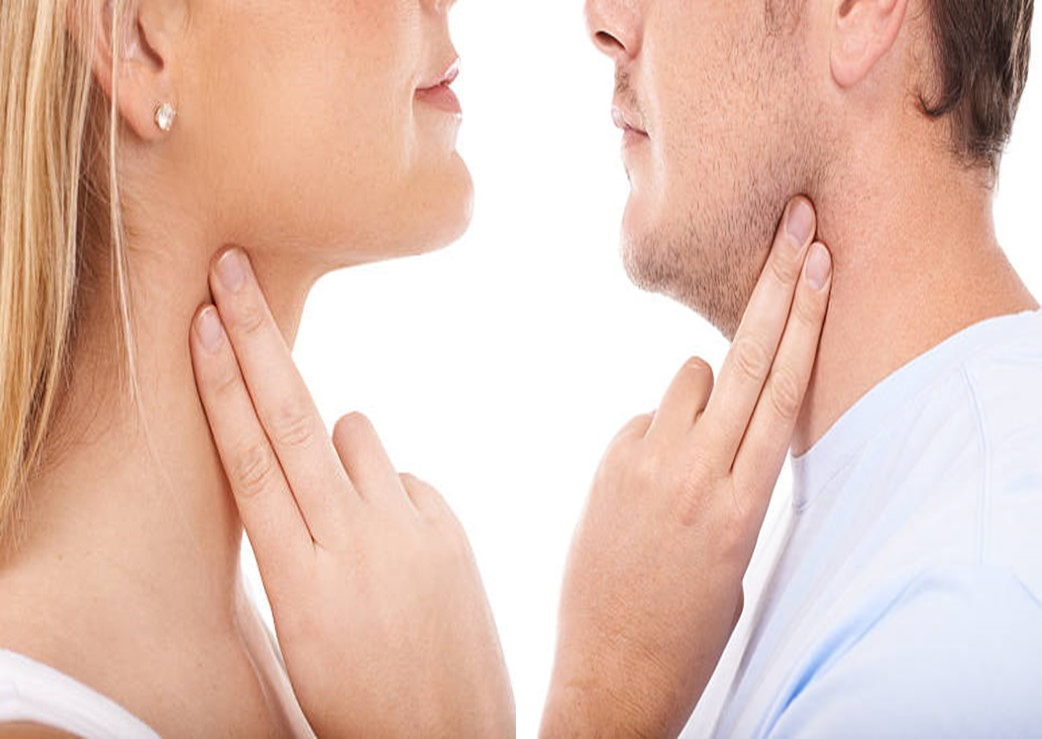
The carotid pulse (neck) is the easiest to find:
Take your index and middle fingers.
Start at the earlobe and gently pull down along the neck under the base of the jaw.
Press lightly, do not press hard.
Check one side at a time.
Normal heart rate: 60–100 beats per minute.
To measure: count pulse beats for 15 seconds and multiply by 4.
IMPORTANT NOTES
If the person does not have a pulse, start CPR immediately and call for medical help.
Always monitor breathing and pulse until help arrives.
REMEMBER
Always ask for help in an emergency situation.
Often, the injured or sick person needs more assistance than one person can provide.
Some emergencies require more medical expertise than basic first aid can offer.
Certain individuals may be too injured or too sick to be adequately treated with first aid alone.
If possible, take these people to a hospital or call for professional medical help immediately.
HOW TO PREVENT INFECTIONS WHEN GIVING FIRST AID
Use gloves if available. They provide a protective barrier between you and the injured person.
Plastic bags can be used as a makeshift glove in emergencies.
Wash your hands thoroughly before and after giving first aid, especially if gloves are not available.
Be cautious if you have cuts or open wounds, as infections can enter your body through them.
Use soap and water whenever possible.
If soap is not available, you can use cooled ash to clean your hands as an alternative.
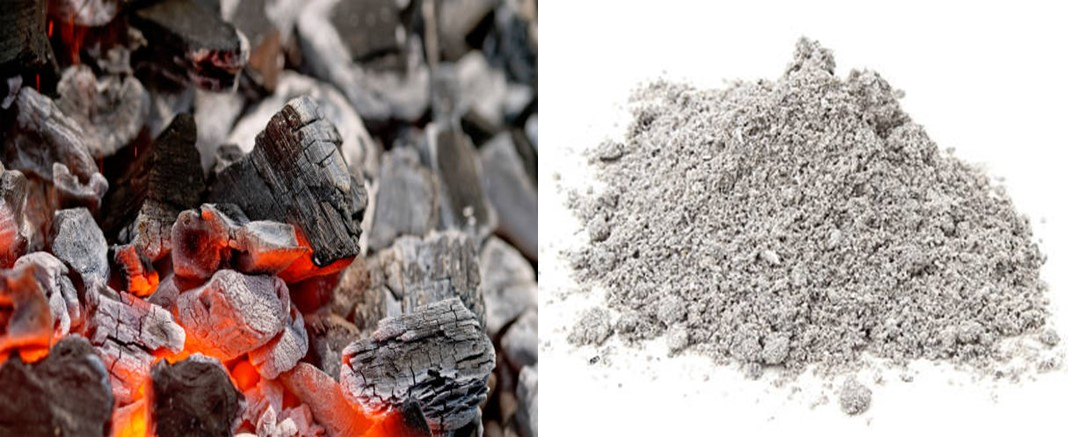
Scrub your hands for at least 20 seconds.
You can time this by singing “Happy Birthday” twice in your head, it takes about 20 seconds.
Make sure to scrub all parts of your hands, including:
The backs of your hands
Between your fingers
Under your nails
SELF ASSESSMENT ON FIRST AID
1. Who is allowed to perform first aid?
Any person who has the knowledge or training in basic first aid.
2. Why do we do first aid?
To prevent diseases, slow down or stop medical emergencies, and save lives.
3. What are two of the top causes of injury in Kenya?
Road Traffic Accidents
Assault
4. What is the first thing we do before performing first aid?
Check ABC (Danger, Response, Airway, Breathing, Circulation).
5. What does the “R” stand for in DR. ABC?
Response
6. What is one of the three ABCs of first aid?
Airway
7. What is another one of the three ABCs of first aid?
Breathing
8. What is the last ABC of first aid?
Circulation
9. How can you check to see if someone is breathing?
Look for chest movement, listen for air from nose/mouth, and feel for air from the nose/mouth.
10. How can you check to make sure a person’s blood is circulating properly?
Check their pulse, preferably the carotid pulse in the neck, or listen for a heartbeat.
11. Is it smart to ask for help in an emergency situation?
Yes, because some emergencies require more help than one person can give.
12. Can everybody be treated with just first aid?
No, some people are too injured or sick and need medical care in a hospital.
13. Besides water, what else should you use to wash your hands?
Soap (or ash if soap is not available).
14. What can you put on your hands when giving first aid if gloves are not available?
Plastic bags or anything that can act as a barrier.
15. How many seconds are you supposed to wash your hands for?
20 seconds