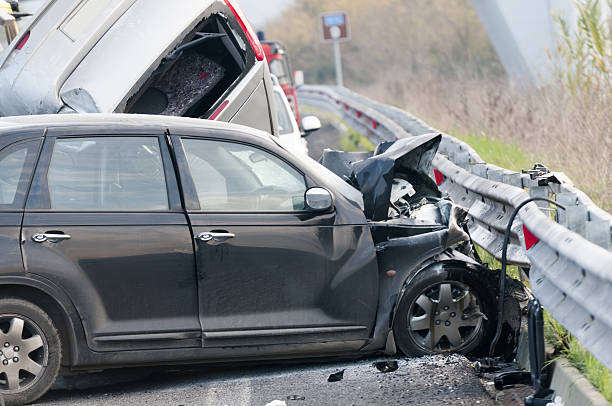
When Involved In An Accident
A collision is serious in the eyes of the law, and failing to stop at the scene can lead to a “hit and run” conviction with severe legal consequences.
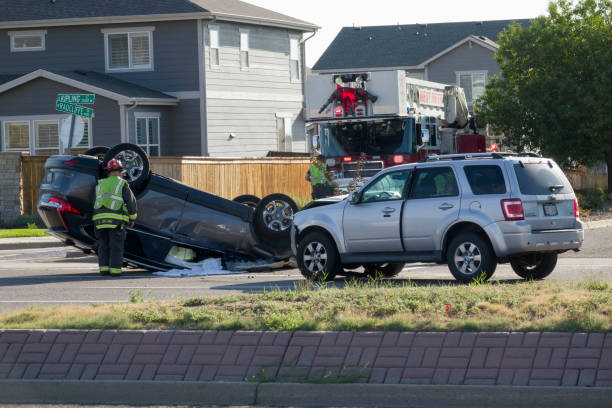
Proper action after an accident can save lives, prevent further damage, and protect you legally.
Immediate actions
Stop immediately at the scene, even if the accident seems minor.
Move your vehicle out of traffic if possible and park safely.
Place warning devices such as reflecting triangles 50–100 meters behind or around the vehicle to alert oncoming traffic.
Do not use flares if there is a risk of spilled petrol or diesel.
Check for injuries and provide first aid if you are trained to do so.
Call emergency services (police, ambulance, or fire brigade) and report:
Nature and severity of injuries
Fire hazards or spilled fuel
Number of vehicles and people involved
Exchange information
Provide your driver’s license number, insurance policy number, vehicle registration, and address to all parties involved or give the information to the police.
If driving a company vehicle, notify your employer.
Do not speak to the media at the scene.
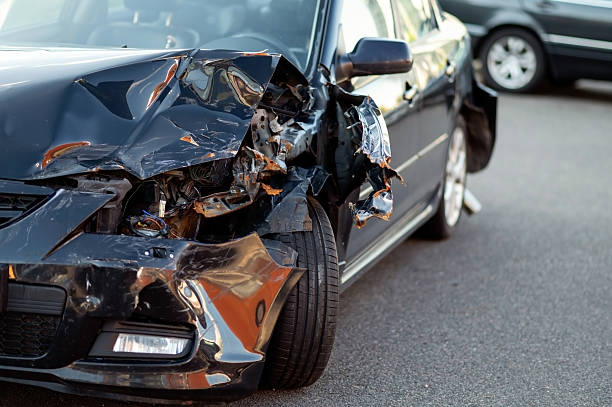
Managing the scene
Avoid arguing or discussing fault with other participants.
Collect witness information: names, addresses, phone numbers, and vehicle license numbers.
Make a written record of the accident while details are fresh. Include:
A diagram of the accident
Location of vehicles, pedestrians, and obstacles
Directions and distances between vehicles
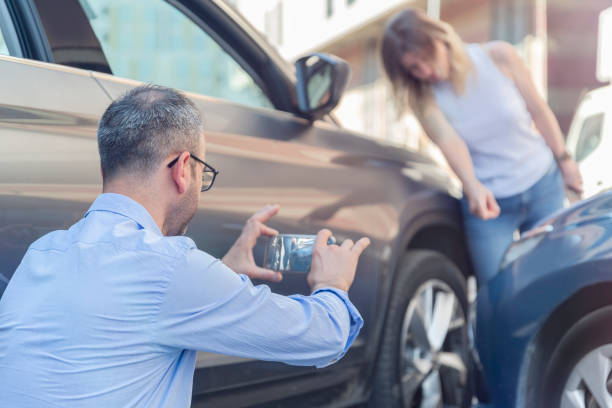
Take photographs of the scene and damages if possible, or have someone else do it.
Collisions with parked vehicles
Try to locate the owner of the unattended vehicle.
If not possible, leave a note in a visible but secure place with your cell phone number or insurance contact.
Reporting
Report the collision to the appropriate police station at the earliest opportunity.
Being prepared and following proper procedures can save lives, reduce costs, and protect you from legal consequences.
Key takeaway
Preparation and calm action during a collision are essential.
Always stop, ensure safety, provide assistance, exchange information, document the scene, and report to authorities.
Being prepared can save lives and money.