Self-Inspection Of Vehicle
A driver should inspect their vehicle before, during, and after every journey to ensure safety, roadworthiness, and reliability.
TYRES
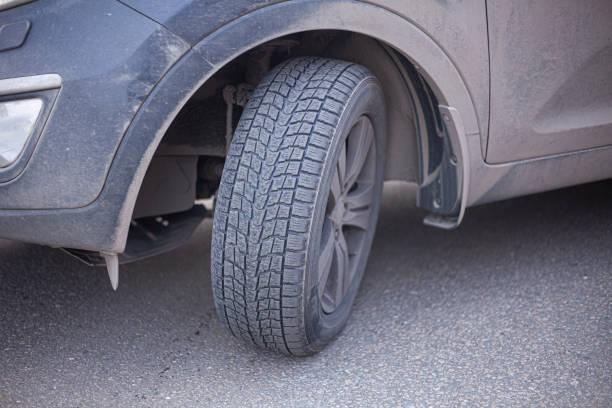
Keep tyres in good condition for proper braking, traction, and turning.

Inspect visually before and after every journey.
Remove stones or debris stuck inside the tread.
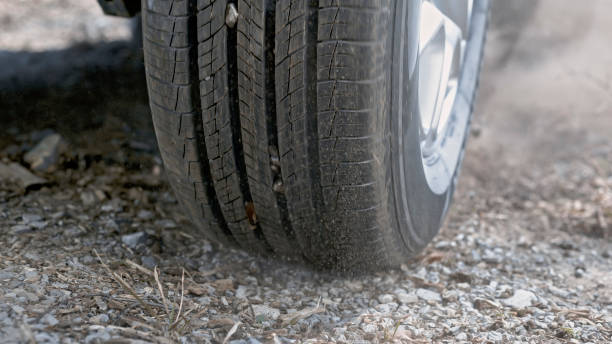
Replace tyres that are old, worn out, cracked, or bulging.
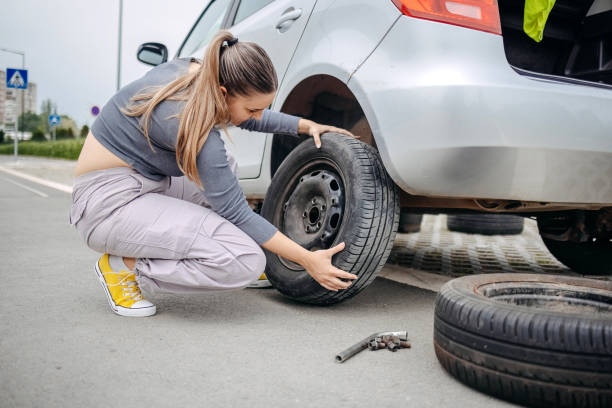
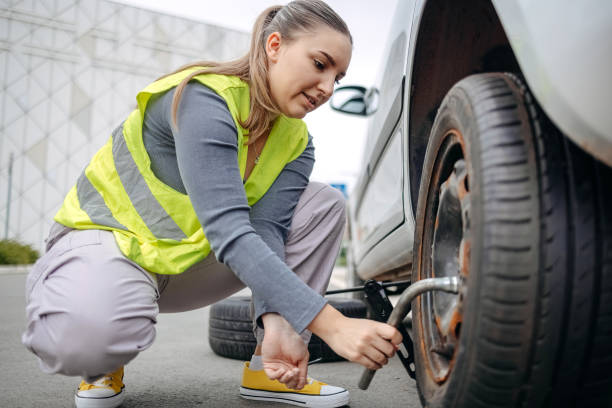
Ensure all wheel nuts are securely fastened.
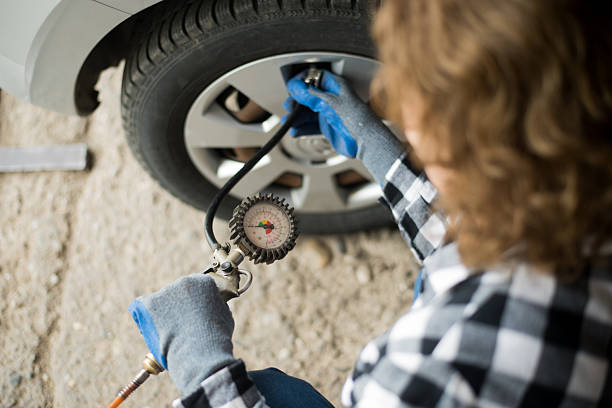
Check tyre pressure regularly; avoid both under-inflation and over-inflation.
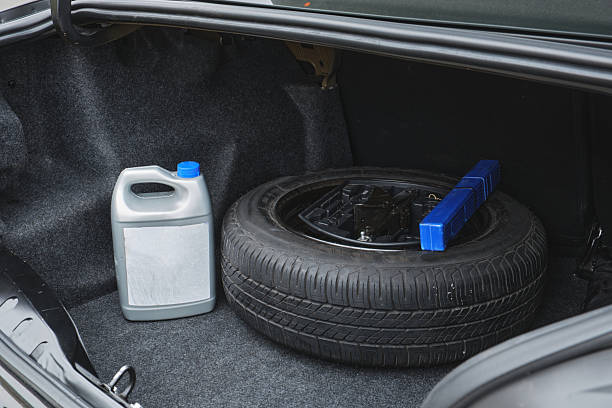
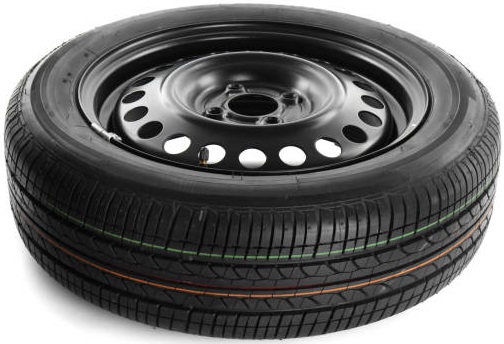
Ensure the spare tyre is present, in good condition, and properly inflated.
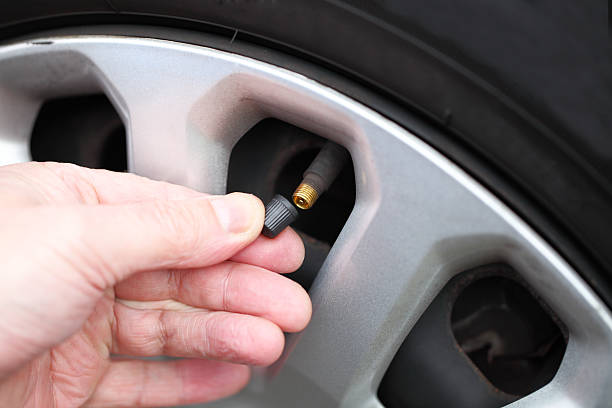
Ensure tyre valve caps are present and tight.
REFLECTORS AND LIGHTS
Ensure headlights (low and high beam) are working.
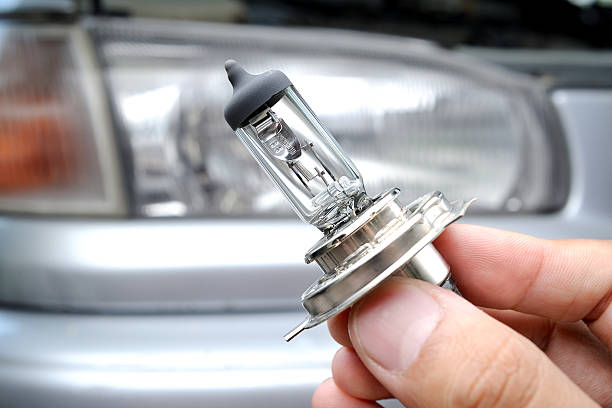
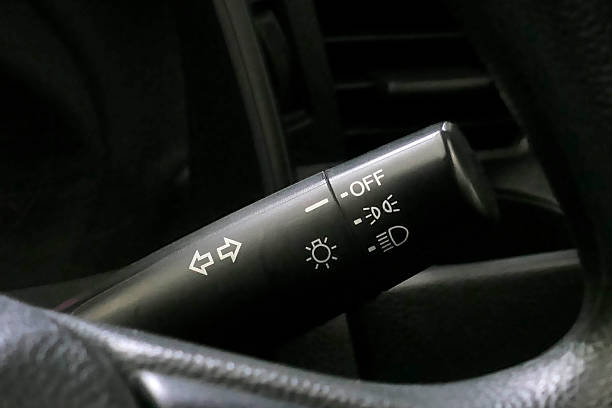
Test turn signals (left/right indicators).
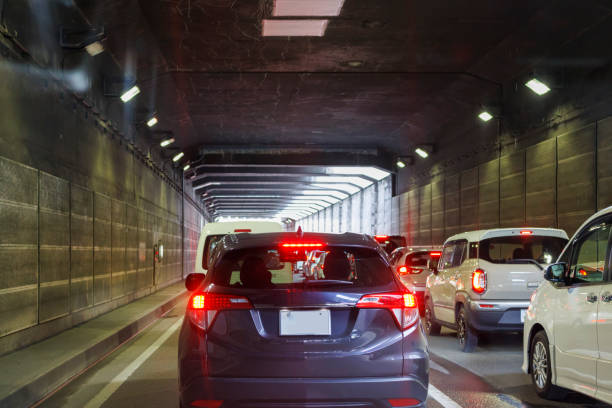
Confirm brake lights illuminate when the pedal is pressed.
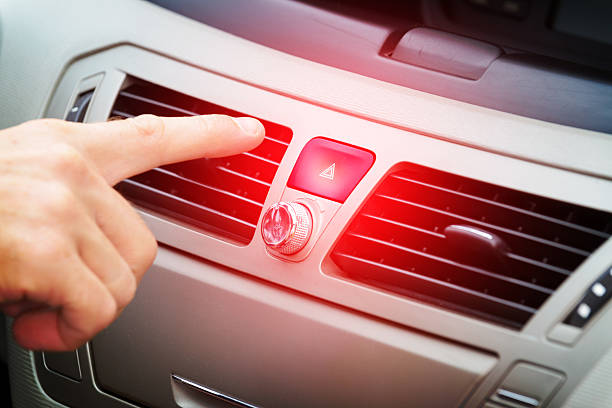
Test hazard lights and parking lights.
Check reverse lights (use assistance from another person).
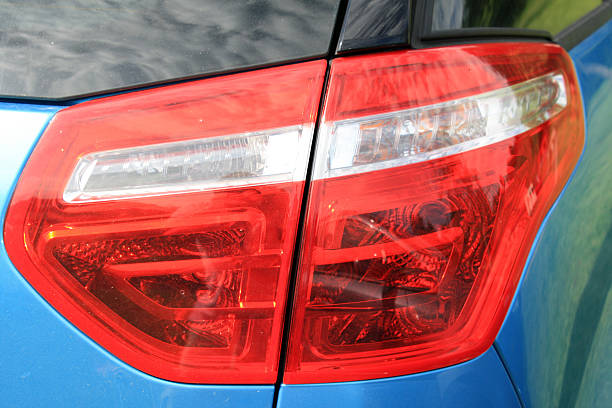
Make sure reflectors are clean and visible.

MIRRORS
Ensure all mirrors (side and rear-view) are present.
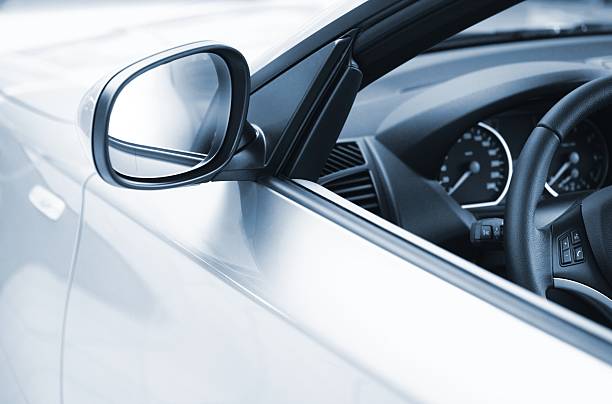
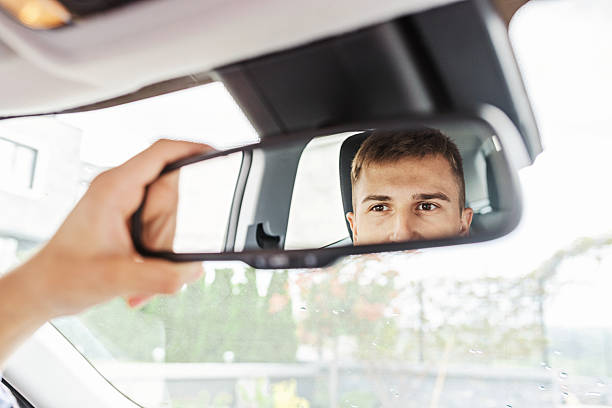
Adjust mirrors properly before moving.
Ensure mirrors are clean and not blocked by stickers or objects.
Replace damaged or loose mirrors.
WINDSCREEN WIPERS
Confirm wipers work at all speeds.
Ensure wiper blades are not cracked or worn.
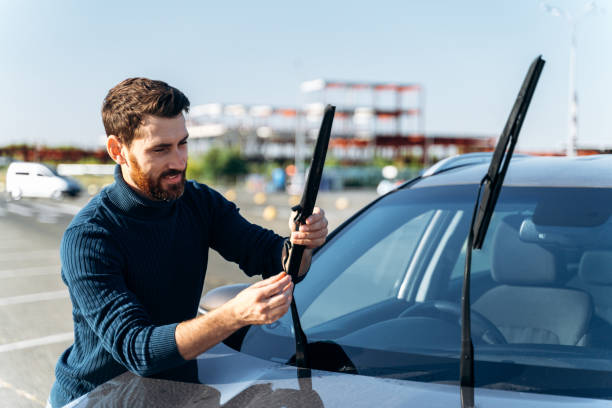
Check washer (wiper fluid) is available and spraying properly.
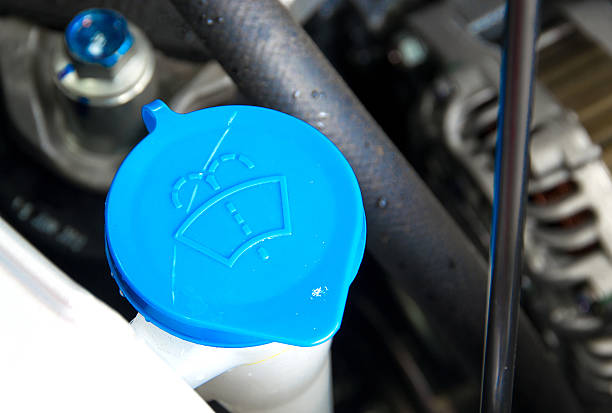
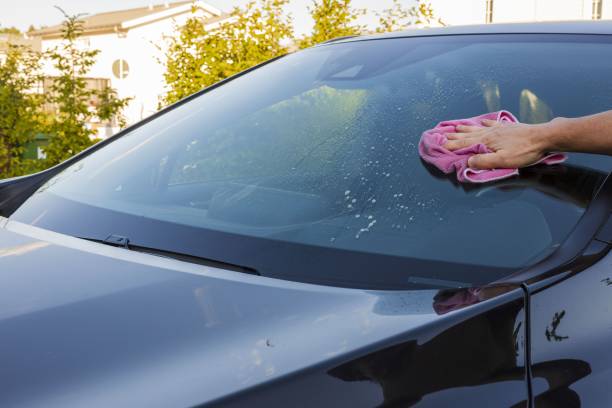
Ensure the windscreen is clear and free of obstruction.
WINDOWS
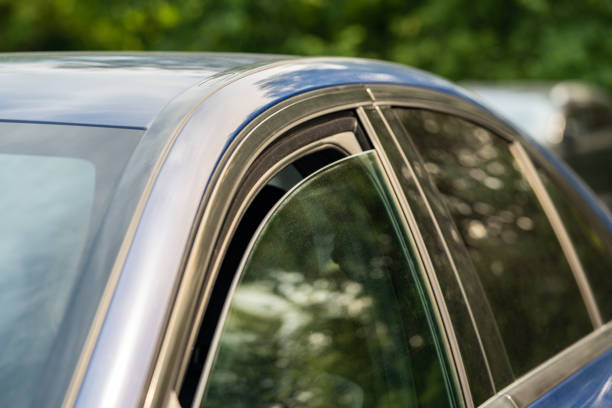
Make sure all windows open and close easily.
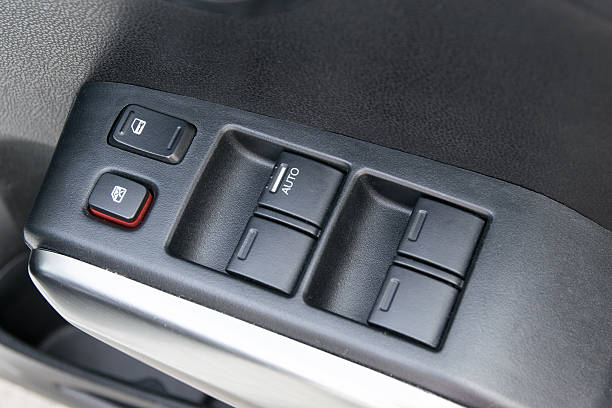
Confirm electric window switches or manual roll-up handles work normally.
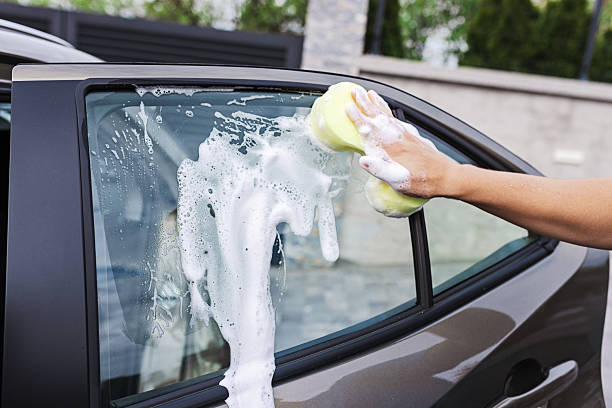
Ensure windows are clean for clear visibility.
VEHICLE BODY
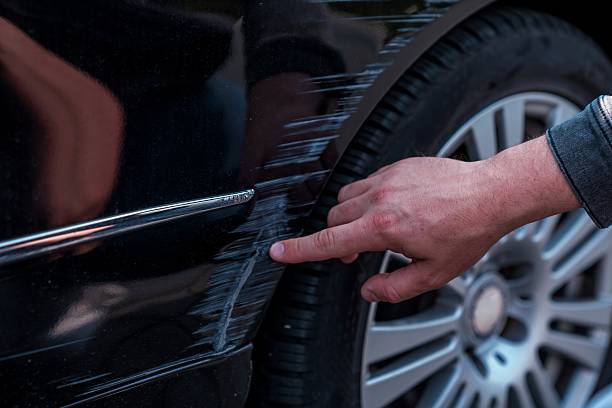
Inspect for dents, scratches, or loose panels.
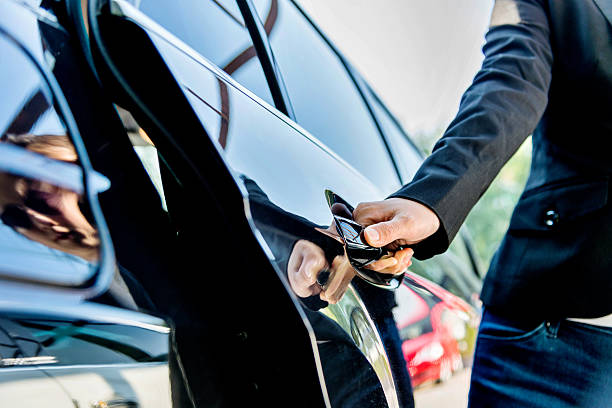
Check that doors open and close properly.
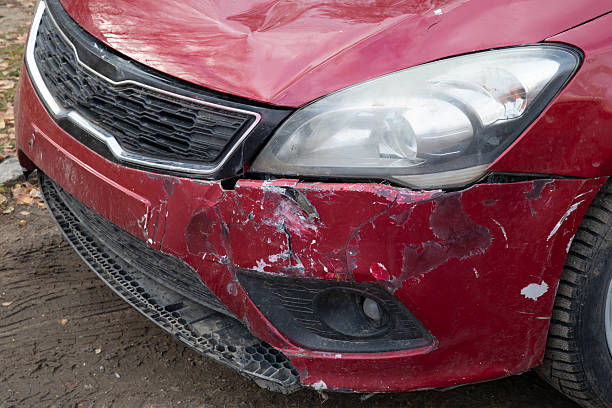
Ensure bumpers are secure.
Look for rust or damage that could affect safety.
CLEANLINESS
Exterior
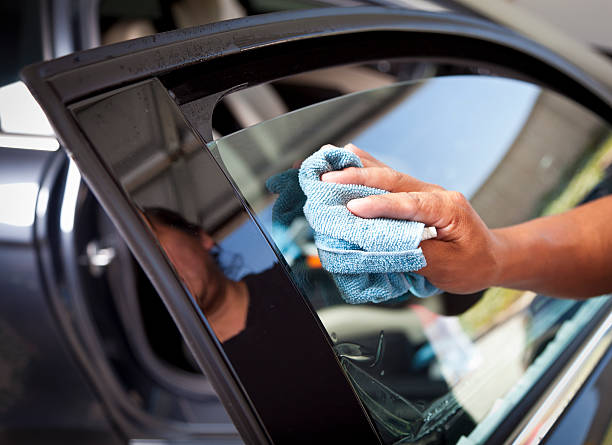
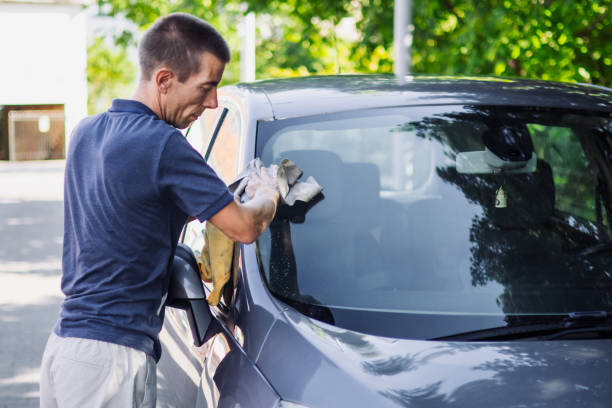
Keep windscreen, windows, and mirrors clean for visibility.
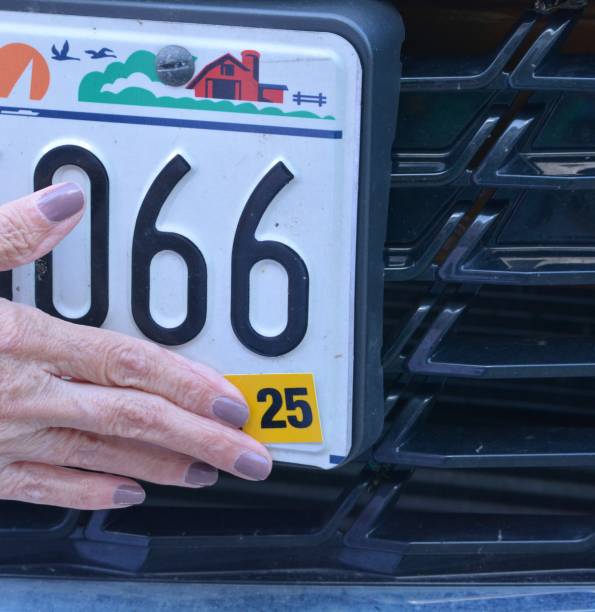
Ensure number plates are clean and visible.
Interior
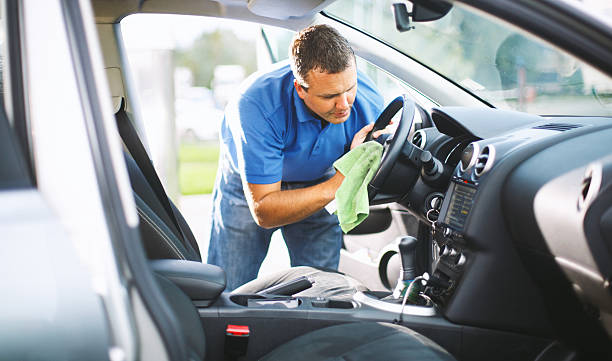
Keep interior tidy and free from clutter.
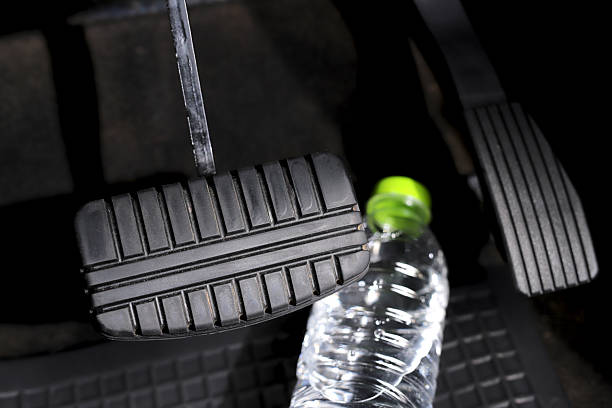
Remove items that may roll under the pedals.
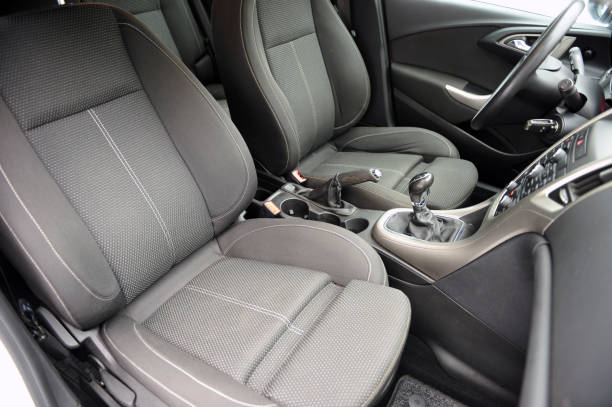
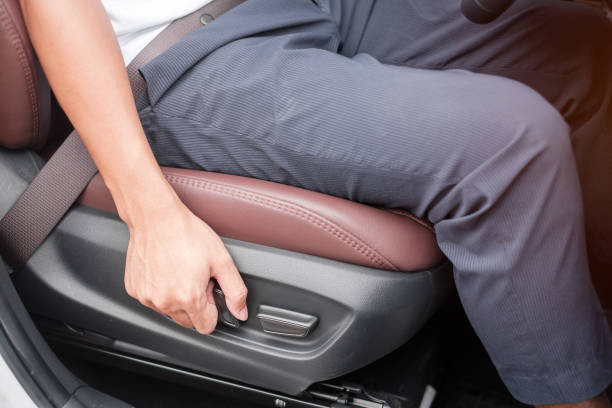
Ensure seats are clean and properly adjusted.
SAFETY BELTS & CAR SEATS
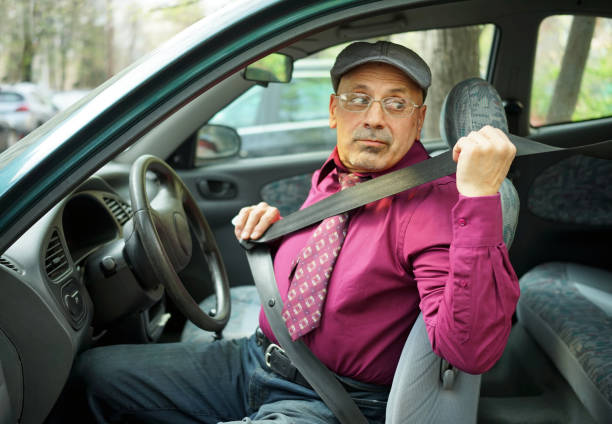
Check that seat belts lock properly and retract smoothly.
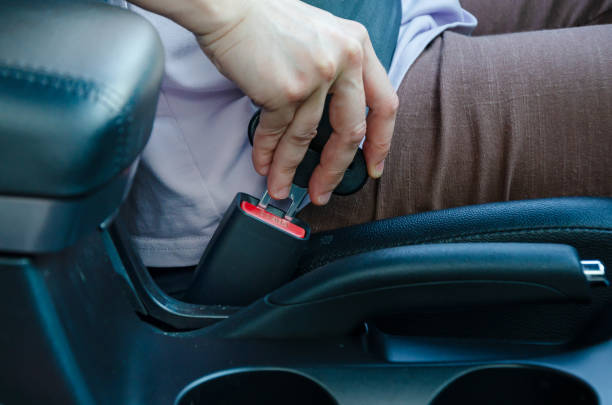
Ensure belts are clean and not twisted or frayed.
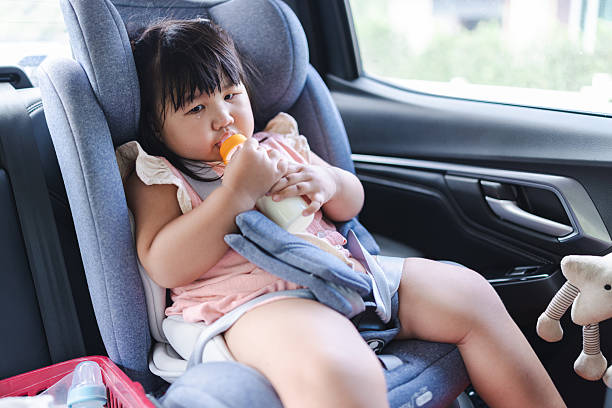
If using child or booster seats, check they are:
In good working condition
Correctly installed
Tightly secured
EMERGENCY EQUIPMENT
Ensure the following items are present and in working order:
Reflective warning triangle
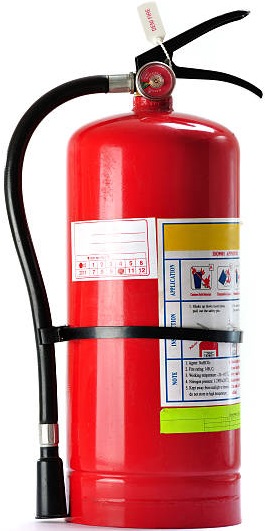
Fire extinguisher (charged and within expiry date)
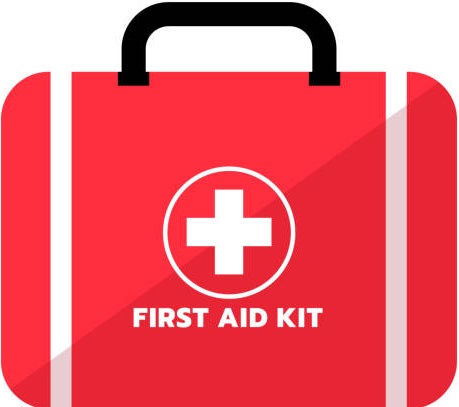
First aid kit (stocked)
Basic tools (jack, wheel spanner, towing rope)
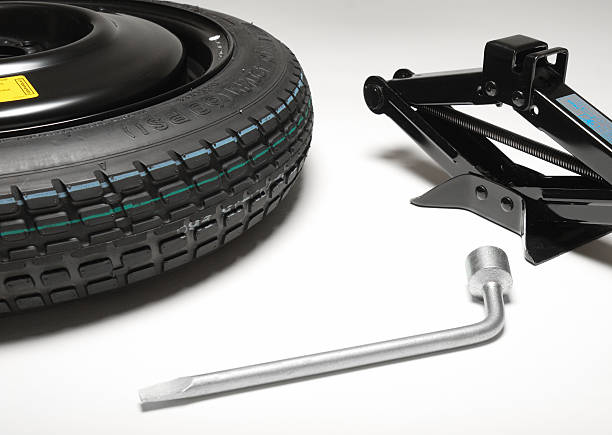
Spare tyre (properly inflated)
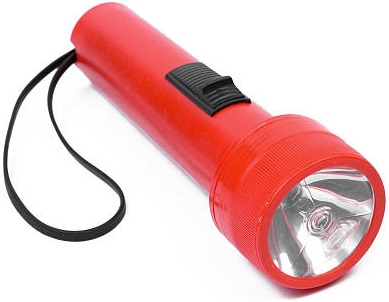
Torch/flashlight
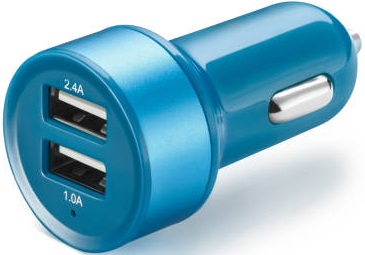
Survival gear (water, blanket, phone charger, etc.)


PAPERWORK
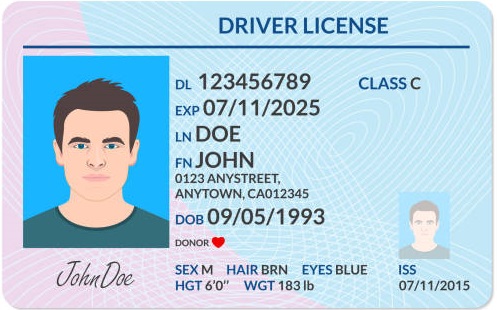
Carry a valid driving licence.
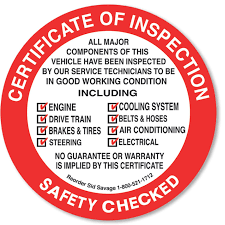
Ensure the vehicle is roadworthy and has a valid inspection sticker (where applicable).
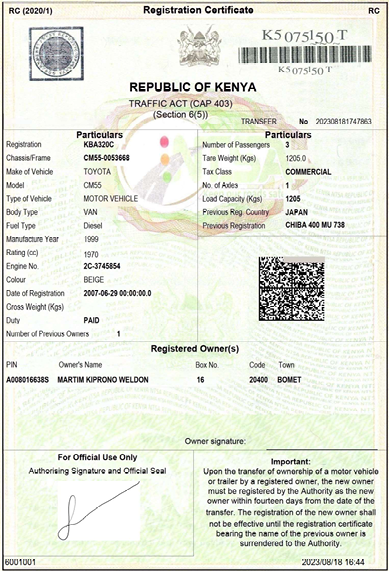
Carry valid vehicle registration documents.
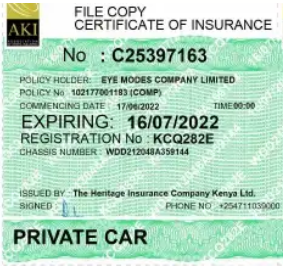
Carry valid insurance documents.
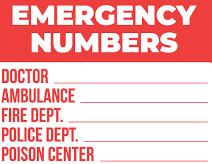
Keep breakdown or emergency contact numbers handy.
INTERIOR / MECHANICAL INSPECTION
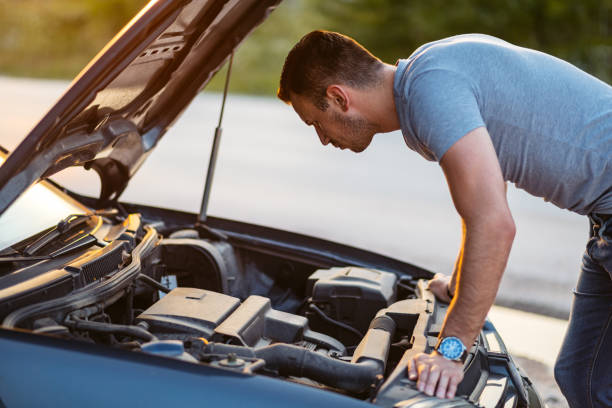
Check the vehicle’s mechanical condition before starting a trip:
Brakes
Ensure brakes are properly adjusted.
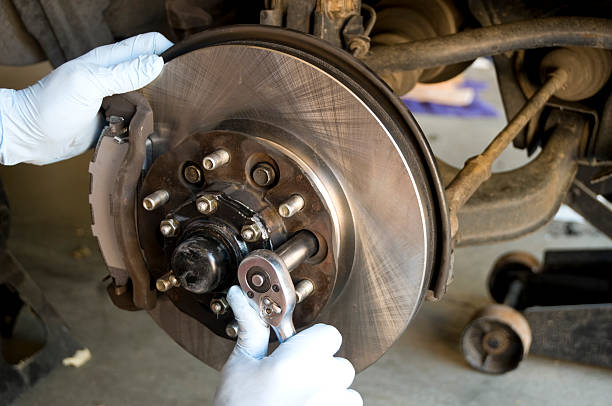
Test by driving a short distance; vehicle should stop smoothly.
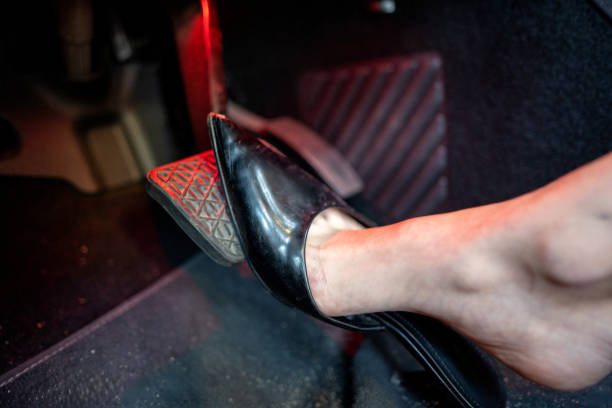
Check handbrake/parking brake holds the vehicle firmly.
Steering
Turn the steering wheel fully (about 360°).
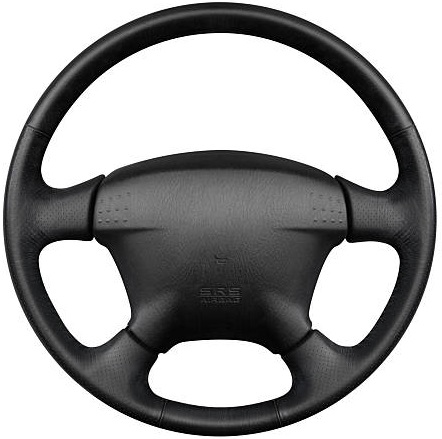
Ensure the movement is smooth and free from unusual noises.
Confirm the front wheels turn correctly with steering input.
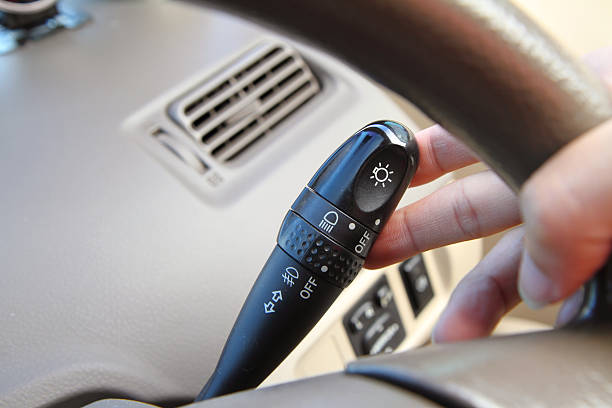
Indicators: Confirm left, right, and hazard indicators work properly.
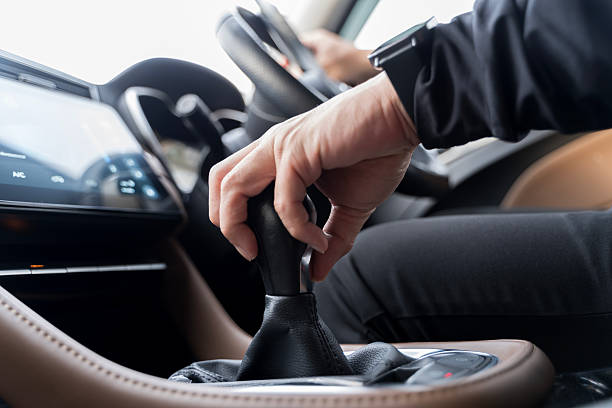
Gears / transmission
Ensure gear changes are smooth without grinding.
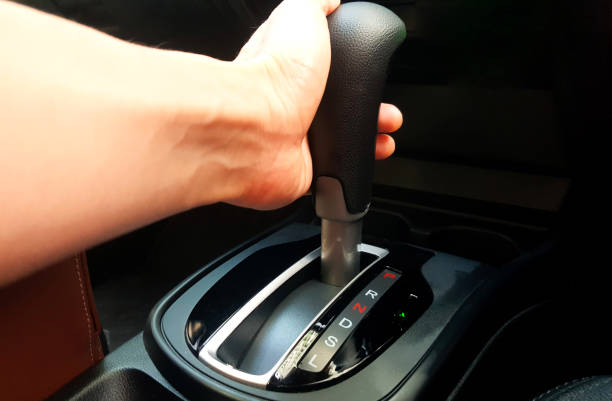
For automatic vehicles, confirm correct shifting (P, R, N, D, etc.).
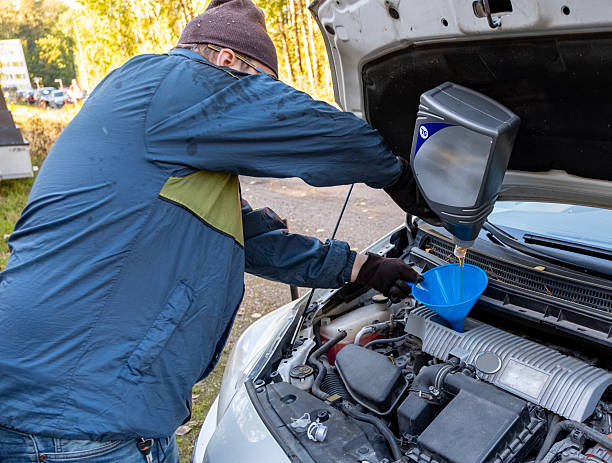
Oil level
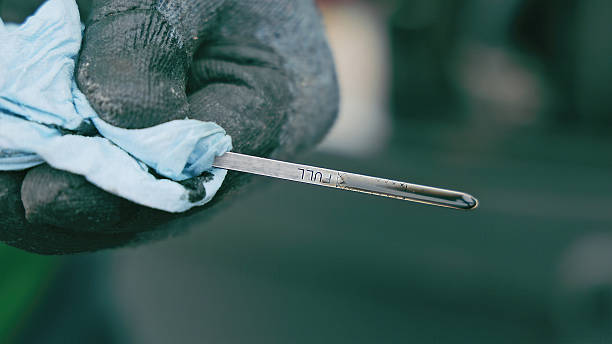
Check engine oil level using the dipstick.
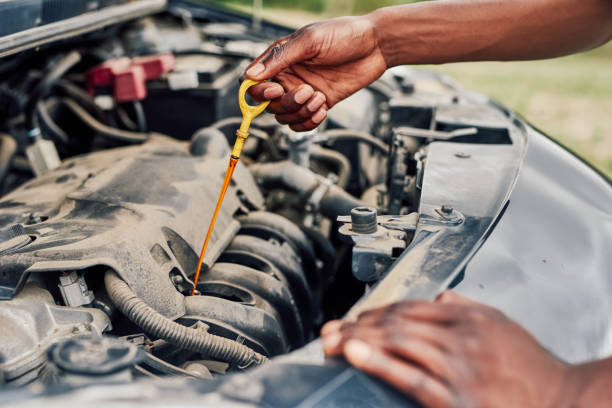
Ensure the oil is at the correct mark and not dirty.
Coolant
Ensure coolant level is sufficient.
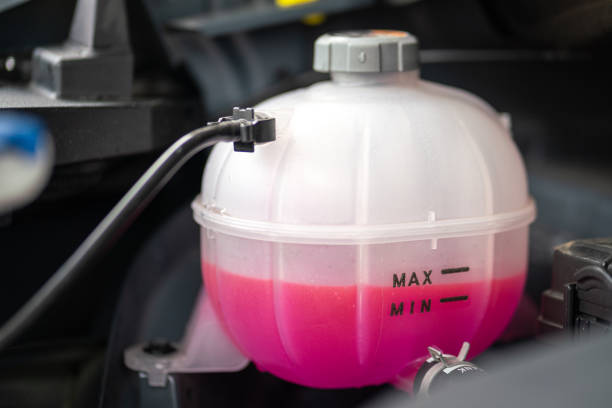
Inspect radiator and hoses for leaks.
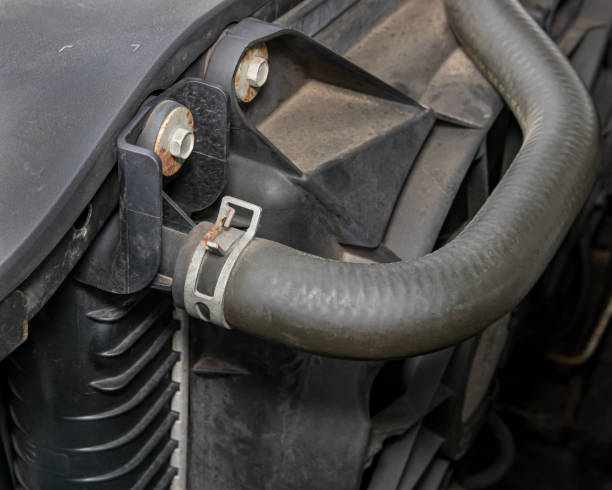
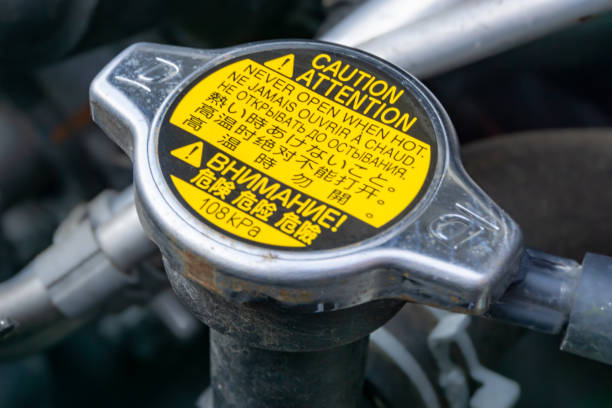
Never open the radiator cap when the engine is hot.
Battery
Check battery terminals for tightness and corrosion.
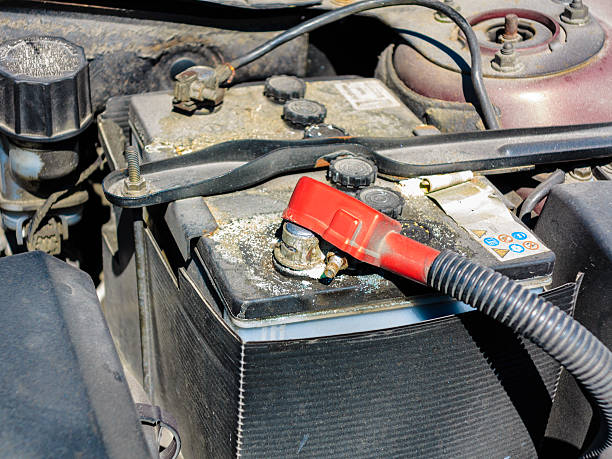
Ensure battery charge is sufficient.
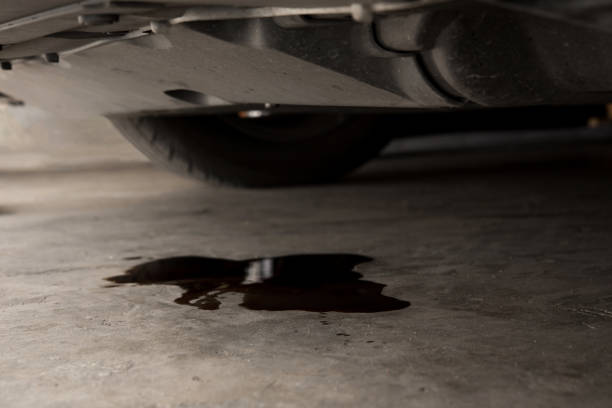
Leaks
Check under the vehicle for dripping fluids such as:
Engine oil
Coolant
Brake fluid
Transmission fluid
Power-steering fluid