UK DVSA Theory Test UK
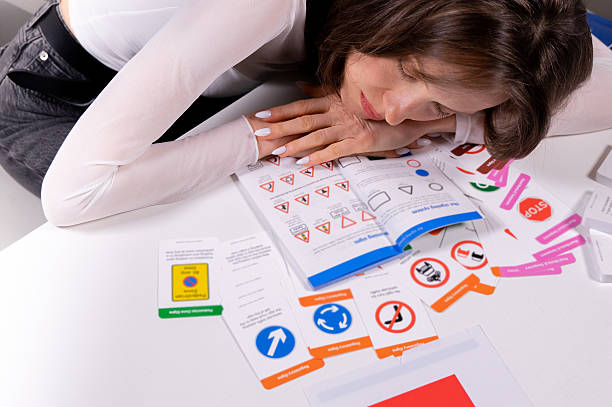
Dvsa Theory Test 44
- 1. What should you do when your vehicle pulls strongly to one side while braking?
A. Ignore it
B. Continue driving
C. Stop safely and check brake system or tyres
D. Accelerate - 2. What does a flashing red light at a level crossing mean?
A. Proceed carefully
B. Reverse immediately
C. Stop and wait until it stops flashing
D. Speed up - 3. What is the safest action when approaching a pedestrian crossing in wet conditions?
A. Speed up
B. Overtake
C. Slow down early and be prepared to stop
D. Honk continuously - 4. What should you do if your headlights fail at night?
A. Continue driving
B. Speed up
C. Stop in a safe place immediately
D. Use hazard lights only and continue - 5. What does a triangular sign with a deer symbol indicate?
A. Zoo ahead
B. Parking zone
C. Wild animals may cross the road
D. Farm entrance - 6. What is the purpose of engine braking?
A. Increase speed downhill
B. Save fuel only
C. Help control vehicle speed using lower gears
D. Improve steering - 7. What should you do when traffic builds up ahead of you?
A. Overtake aggressively
B. Keep speeding
C. Slow down early and maintain safe distance
D. Drive on shoulder - 8. What does a blue sign with a white number indicate?
A. Warning
B. Suggestion
C. Minimum speed limit or instruction
D. Parking allowed - 9. What should you do if a child suddenly runs into the road?
A. Honk and continue
B. Swerve sharply
C. Brake firmly and safely stop if possible
D. Speed up - 10. What is the main danger of driving with worn shock absorbers?
A. Increased speed
B. Better comfort
C. Poor vehicle stability and control
D. Lower fuel use - 11. What does a red circle with a bicycle symbol mean?
A. Cycle lane ahead
B. Shared route
C. No bicycles allowed
D. Cycling permitted - 12. What should you do when approaching a railway crossing with no barriers?
A. Speed up
B. Ignore signs
C. Stop, look, and listen before crossing
D. Overtake - 13. What is the safest way to handle a vehicle in heavy crosswinds?
A. Let go of steering
B. Speed up
C. Hold steering firmly and reduce speed
D. Brake suddenly - 14. What does a broken white centre line allow?
A. No overtaking
B. Parking
C. Overtaking when safe
D. Stop only - 15. What should you do if your vehicle starts to slide on ice?
A. Brake hard
B. Turn sharply
C. Steer gently in direction of slide and ease off accelerator
D. Accelerate - 16. What is the purpose of road markings at junctions?
A. Decoration
B. Confuse drivers
C. Guide traffic flow and priority rules
D. Increase speed - 17. What should you do when approaching a bus stopping frequently?
A. Overtake quickly
B. Honk
C. Be patient and expect passengers crossing
D. Drive closely - 18. What does a red triangle with an exclamation mark mean?
A. Parking area
B. Speed limit
C. General warning of hazard ahead
D. Bus stop - 19. What should you do when your steering feels loose or unstable?
A. Continue driving
B. Speed up
C. Stop safely and inspect vehicle immediately
D. Ignore - 20. What is the purpose of a catalytic converter?
A. Increase engine power
B. Reduce fuel use
C. Reduce harmful exhaust emissions
D. Improve steering - 21. What should you do when entering a roundabout with poor visibility?
A. Enter quickly
B. Ignore traffic
C. Slow down and check all approaching vehicles carefully
D. Stop in middle - 22. What does a flashing amber pedestrian signal mean?
A. Stop immediately
B. Ignore pedestrians
C. Proceed with caution and give way if needed
D. Reverse - 23. What should you do if your windscreen wipers fail in heavy rain?
A. Continue driving
B. Speed up
C. Stop safely and fix visibility issue
D. Use hand wiping only - 24. What is the main risk of driving in neutral downhill?
A. Better control
B. Fuel saving
C. Loss of control and braking power
D. Faster speed control - 25. What does a blue circular sign with arrows indicate?
A. Optional route
B. Warning
C. Mandatory direction(s) to follow
D. Parking zone - 26. What should you do when another driver is behaving aggressively?
A. Respond aggressively
B. Block them
C. Stay calm and avoid confrontation
D. Speed up to escape - 27. What is the safest action when approaching a flooded road?
A. Drive fast through
B. Ignore depth
C. Avoid if possible or proceed slowly if safe
D. Brake suddenly - 28. What does a red X above a motorway lane mean?
A. Lane open
B. Overtaking allowed
C. Lane closed, do not use it
D. Parking allowed - 29. What should you do when following a motorcyclist in rain?
A. Follow closely
B. Overtake quickly
C. Increase following distance
D. Flash headlights - 30. What is the purpose of traction control?
A. Increase speed
B. Improve fuel use
C. Prevent wheel spin during acceleration
D. Steering assistance - 31. What should you do when approaching a sharp bend in fog?
A. Speed up
B. Overtake
C. Slow down and use appropriate lights
D. Use horn continuously - 32. What does a continuous white edge line mean?
A. Parking allowed
B. Overtaking zone
C. Edge of carriageway, stay within lane
D. Speed limit - 33. What should you do if another vehicle cuts sharply in front of you?
A. Brake harshly
B. Honk continuously
C. Slow down and maintain safe distance
D. Follow closely - 34. What is the purpose of airbags?
A. Improve comfort
B. Increase speed
C. Protect occupants during collision
D. Steering control - 35. What should you do when driving near livestock on road?
A. Honk loudly
B. Speed up
C. Slow down and pass carefully
D. Swerve quickly - 36. What does a green arrow with red light mean?
A. Stop completely
B. Wait indefinitely
C. You may proceed in direction of arrow if safe
D. Reverse only - 37. What should you do when your vehicle overheats?
A. Continue driving
B. Speed up
C. Stop safely and allow engine to cool
D. Turn heater off - 38. What is the safest action when approaching a railway crossing with no signals?
A. Speed up
B. Ignore
C. Stop, look both ways, and proceed if safe
D. Reverse - 39. What does a pedestrian crossing with zigzag lines indicate?
A. Parking allowed
B. Speed zone
C. No overtaking or stopping near crossing
D. Bus lane - 40. What should you do when driving behind a slow-moving agricultural vehicle?
A. Overtake immediately
B. Tailgate
C. Wait for a safe and clear overtaking opportunity
D. Honk aggressively - 41. What is the main purpose of anti-lock braking system?
A. Increase speed
B. Improve fuel economy
C. Maintain steering control during braking
D. Reduce noise - 42. What should you do when approaching a junction at night?
A. Speed up
B. Ignore signs
C. Slow down and scan carefully
D. Overtake - 43. What does a triangular sign with falling stones mean?
A. Parking zone
B. Bridge ahead
C. Rockfall hazard
D. Roadworks - 44. What should you do when your tyres burst while driving?
A. Brake hard
B. Turn sharply
C. Hold steering firmly and slow down gradually
D. Accelerate - 45. What is the purpose of road studs (cat’s eyes)?
A. Decoration
B. Increase speed
C. Improve visibility at night
D. Fuel saving - 46. What should you do when approaching a busy pedestrian area?
A. Speed up
B. Ignore pedestrians
C. Slow down and be prepared to stop
D. Honk continuously - 47. What does a red circular sign with a truck symbol mean?
A. Truck parking
B. Loading zone
C. No heavy goods vehicles allowed
D. Truck route - 48. What should you do when visibility suddenly drops while driving?
A. Speed up
B. Continue normally
C. Slow down and use appropriate lights
D. Overtake - 49. What is the safest way to exit a motorway?
A. Slow suddenly
B. Stop on lane
C. Use exit lane early and reduce speed gradually
D. Reverse - 50. What is the most important principle of safe driving?
A. Speed efficiency
B. Road priority
C. Awareness and safety of all road users
D. Vehicle size