UK DVSA Theory Test UK
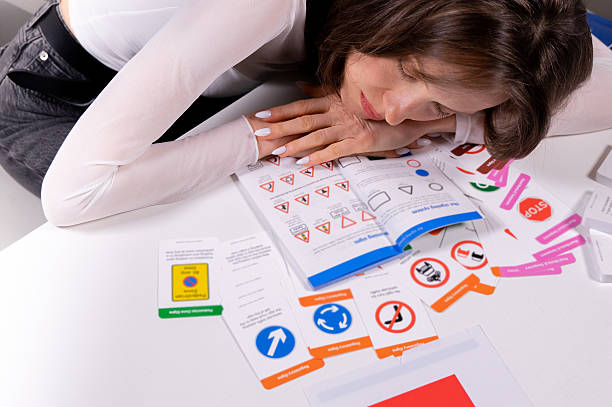
Dvsa Theory Test 43
- 1. What is the safest action when approaching a junction with limited visibility?
A. Speed up to clear quickly
B. Honk and proceed
C. Slow down and edge forward carefully
D. Reverse immediately - 2. What should you do if your vehicle begins to vibrate heavily while driving?
A. Ignore it
B. Increase speed
C. Stop safely and check tyres or wheels
D. Brake suddenly - 3. What does a triangular sign with a car skidding indicate?
A. Parking area
B. Roadworks
C. Slippery road ahead
D. Speed zone - 4.What is the correct reaction to a burst tyre at high speed?
A. Brake hard immediately
B. Turn sharply
C. Hold steering firmly and ease off accelerator
D. Switch off engine - 5. What should you do when traffic lights change to amber and you are close to the line?
A. Speed up
B. Reverse
C. Prepare to stop unless unsafe
D. Stop in middle - 6. What is the main purpose of road markings?
A. Decoration
B. Fuel saving
C. Guide and control traffic movement
D. Increase speed - 7. What should you do when approaching a pedestrian crossing with flashing amber lights?
A. Ignore
B. Speed up
C. Give way to pedestrians waiting to cross
D. Overtake - 8. What does a blue sign with a white pedestrian symbol mean?
A. No pedestrians
B. Warning sign
C. Pedestrian route or crossing area
D. Parking zone - 9. What should you do if your vehicle loses brake power downhill?
A. Turn off engine
B. Accelerate
C. Use lower gear and apply brakes gently
D. Jump out - 10. What is the safest way to drive through deep water?
A. Fast to avoid stalling
B. Neutral gear
C. Slow and steady without stopping
D. Brake frequently - 11. What does a solid double white line mean?
A. Overtaking allowed
B. Parking allowed
C. Do not cross or overtake
D. Speed zone - 12. What should you do when approaching a school zone?
A. Speed up
B. Ignore signs
C. Slow down and be alert for children
D. Overtake traffic - 13. What is the purpose of mirrors while driving?
A. Decoration
B. Fuel saving
C. Monitor traffic around and behind you
D. Increase speed - 14. What should you do if another vehicle is overtaking you dangerously?
A. Speed up
B. Block road
C. Maintain steady speed and stay calm
D. Swerve - 15. What does a flashing red light at a railway crossing mean?
A. Proceed carefully
B. Reverse
C. Stop and wait until it stops flashing
D. Ignore - 16. What is the main cause of rear-end collisions?
A. Road signs
B. Weather only
C. Following too closely
D. Lane markings - 17. What should you do when approaching a sharp bend at speed?
A. Accelerate
B. Brake inside bend
C. Slow down before entering bend
D. Overtake - 18. What does a no stopping sign mean?
A. Parking allowed
B. Short stop allowed
C. No stopping at any time
D. Bus stop only - 19. What should you do if your windscreen washer stops working?
A. Continue driving
B. Use water bottle
C. Repair before continuing long journey
D. Ignore - 20. What is the purpose of ABS in braking?
A. Increase speed
B. Reduce fuel use
C. Prevent wheel lock during braking
D. Steering control - 21. What should you do when entering a motorway?
A. Stop on entry
B. Reverse if needed
C. Match speed with traffic before joining
D. Drive slowly in middle - 22. What does a red triangle with workers mean?
A. Parking area
B. Speed limit
C. Roadworks ahead
D. Bus lane - 23. What should you do when driving behind a horse rider?
A. Honk loudly
B. Overtake closely
C. Slow down and pass wide and slowly
D. Speed up - 24. What is the purpose of engine oil?
A. Fuel supply
B. Cooling tyres
C. Lubricate engine parts
D. Increase speed - 25. What should you do when approaching a foggy bridge?
A. Speed up
B. Use high beam
C. Slow down and use fog lights
D. Overtake - 26. What does a green arrow signal mean?
A. Stop
B. Wait
C. Proceed in direction shown
D. Reverse - 27. What should you do if your steering becomes unresponsive?
A. Speed up
B. Ignore
C. Stop safely immediately
D. Brake hard - 28. What is the purpose of seatbelts?
A. Comfort
B. Style
C. Protect occupants in a crash
D. Speed control - 29. What should you do when approaching a pedestrian stepping into the road?
A. Honk and continue
B. Speed up
C. Stop if necessary to allow safe crossing
D. Swerve - 30. What does a dashed white line allow?
A. No overtaking
B. Parking only
C. Overtaking when safe
D. Stop only - 31. What should you do when driving in heavy rain?
A. Speed up
B. Ignore conditions
C. Slow down and increase following distance
D. Overtake traffic - 32. What is the main risk of worn tyres?
A. Better fuel use
B. Faster speed
C. Reduced grip and longer stopping distance
D. Improved control - 33. What should you do when another driver flashes headlights at you?
A. Speed up
B. Ignore
C. Be cautious, it may be warning or giving way
D. Brake suddenly - 34. What does a pedestrian crossing zigzag marking mean?
A. Parking allowed
B. Speed zone
C. No overtaking near crossing
D. Bus lane - 35. What should you do when driving at night on rural roads?
A. High speed
B. Full beam always
C. Adjust speed and watch for animals
D. Turn off lights - 36. What is the purpose of indicators?
A. Decoration
B. Speed control
C. Show intention to turn or change lane
D. Fuel saving - 37. What should you do when approaching a broken traffic light?
A. Speed up
B. Ignore
C. Treat as uncontrolled junction and proceed carefully
D. Stop in middle - 38. What does a red circle sign generally mean?
A. Advice
B. Optional rule
C. Prohibition or restriction
D. Decoration - 39. What should you do if you feel tired while driving?
A. Open window
B. Drink coffee and continue
C. Stop and rest immediately
D. Speed up - 40. What is the safest way to change lanes?
A. Quickly without checking
B. Only signal
C. Check mirrors, blind spot, and signal
D. Horn first - 41. What should you do when approaching a livestock crossing?
A. Speed up
B. Honk loudly
C. Slow down and allow animals to pass safely
D. Overtake quickly - 42. What does a flashing amber traffic light mean?
A. Stop immediately
B. Speed up
C. Proceed with caution
D. Reverse - 43. What is the danger of driving too close to another vehicle?
A. Fuel saving
B. Faster travel
C. Risk of collision if sudden stop occurs
D. Better visibility - 44. What should you do when approaching a tunnel?
A. Turn off headlights
B. Speed up
C. Switch on lights and adjust speed
D. Stop immediately - 45. What does a broken white centre line mean?
A. No overtaking
B. Stop
C. Overtaking allowed if safe
D. Parking - 46. What should you do when your brakes feel soft?
A. Ignore
B. Continue driving
C. Stop and check immediately
D. Speed up - 47. What is the purpose of road signs?
A. Decoration
B. Confusion
C. Guide and control traffic safely
D. Increase speed - 48. What should you do when approaching a zebra crossing with no pedestrians?
A. Speed up
B. Overtake
C. Be ready to stop if needed
D. Honk - 49. What does a blue mandatory sign indicate?
A. Suggestion
B. Warning
C. You must follow instruction
D. Parking allowed - 50. What is the most important rule of driving?
A. Speed
B. Comfort
C. Safety of all road users
D. Road size