UK DVSA Theory Test UK
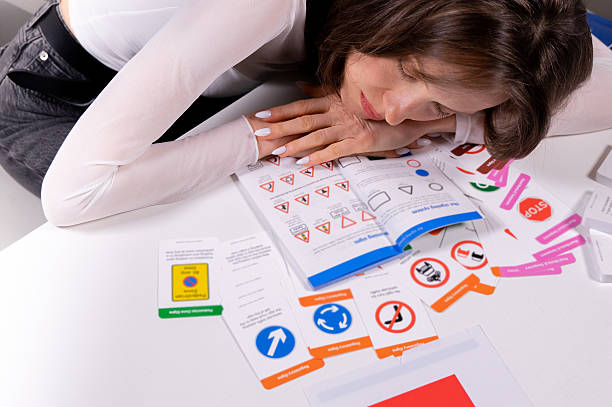
Dvsa Theory Test 42
- 1. What should you do when your tyres lose grip on a wet road?
A. Brake hard
B. Accelerate
C. Ease off accelerator and steer gently
D. Turn off engine - 2. What does a flashing blue light behind you mean?
A. Police requesting you stop
B. Ambulance approaching
C. Emergency vehicle behind you – give way
D. Roadworks ahead - 3. What should you do before overtaking on a single carriageway?
A. Overtake immediately
B. Honk and pass
C. Check road ahead is clear and safe
D. Stay close to vehicle - 4. What is the main purpose of a handbrake?
A. Increase speed
B. Assist steering
C. Keep vehicle stationary when parked
D. Reduce fuel use - 5. What should you do when approaching a sharp curve at night?
A. Speed up
B. Use high beam only
C. Slow down and stay in your lane
D. Overtake - 6. What does a red light at a level crossing mean?
A. Proceed carefully
B. Ignore if clear
C. Stop and wait for green signal
D. Reverse immediately - 7. What is the danger of overloading a vehicle?
A. Better stability
B. Lower fuel use
C. Reduced control and increased stopping distance
D. Faster braking - 8. What should you do if a pedestrian steps onto the road suddenly?
A. Honk and continue
B. Speed up
C. Brake safely and stop if necessary
D. Swerve without checking - 9. What does a triangular sign with a bicycle mean?
A. Parking area
B. Bus stop
C. Cyclists ahead – take care
D. Speed limit - 10. What is the purpose of a catalytic converter?
A. Increase speed
B. Reduce noise
C. Reduce harmful exhaust emissions
D. Improve steering - 11. What should you do when driving behind a motorcycle?
A. Follow closely
B. Overtake immediately
C. Keep extra distance for safety
D. Flash headlights - 12. What does a continuous white line mean?
A. Overtaking allowed
B. Parking zone
C. Do not cross or overtake
D. Bus lane - 13. What should you do if your vehicle’s indicators fail?
A. Continue normally
B. Use horn only
C. Use hand signals and repair immediately
D. Ignore - 14. What is the safest way to approach a junction?
A. Speed up
B. Ignore traffic
C. Slow down and check all directions
D. Overtake - 15. What does a blue circular sign usually indicate?
A. Warning
B. Optional instruction
C. Mandatory instruction
D. Speed limit - 16. What should you do when driving in heavy traffic?
A. Constant lane switching
B. Tailgating
C. Maintain steady speed and safe distance
D. Honking frequently - 17. What is the main risk of driving with bald tyres?
A. Better grip
B. Lower fuel use
C. Loss of traction and increased stopping distance
D. Faster speed - 18. What should you do when approaching animals on a rural road?
A. Honk aggressively
B. Speed up
C. Slow down and pass carefully
D. Swerve quickly - 19. What does a flashing amber beacon on a vehicle indicate?
A. Normal driving
B. Racing vehicle
C. Slow-moving or warning vehicle ahead
D. Parking vehicle - 20. What should you do when your brakes feel spongy?
A. Ignore
B. Continue driving
C. Stop and check brake system immediately
D. Speed up - 21. What is the purpose of road signs?
A. Decoration
B. Confuse drivers
C. Guide and regulate traffic safely
D. Increase speed - 22. What should you do when entering a one-way street?
A. Check both directions
B. Reverse immediately
C. Follow direction of traffic flow only
D. Stop in middle - 23. What does a triangular sign with falling rocks mean?
A. Parking zone
B. Speed limit
C. Rockfall hazard ahead
D. Bridge ahead - 24. What should you do when driving downhill in rain?
A. Neutral gear
B. Speed up
C. Use low gear and maintain control
D. Brake suddenly - 25. What is the safest way to drive in fog?
A. High beam lights
B. No lights
C. Fog lights and slow speed
D. Speed up - 26. What does a red traffic sign usually indicate?
A. Suggestion
B. Optional rule
C. Prohibition or stop requirement
D. Decoration - 27. What should you do when approaching a pedestrian crossing with no lights?
A. Speed up
B. Overtake
C. Slow down and be ready to stop
D. Honk continuously - 28. What is the purpose of ABS braking system?
A. Increase speed
B. Prevent wheel lock during braking
C. Improve fuel economy
D. Steering control - 29. What should you do when another vehicle is tailgating you?
A. Brake suddenly
B. Speed up aggressively
C. Maintain steady speed and allow them to pass safely
D. Block road - 30. What does a dashed white line mean?
A. No overtaking
B. Stop line
C. Overtaking allowed if safe
D. Parking area - 31. What should you do when approaching a school bus?
A. Overtake quickly
B. Ignore
C. Slow down and be alert for children
D. Honk - 32. What is the purpose of engine coolant?
A. Increase speed
B. Prevent engine overheating
C. Improve braking
D. Reduce fuel use - 33. What should you do if your car starts to hydroplane?
A. Brake hard
B. Turn sharply
C. Ease off accelerator and steer straight
D. Accelerate - 34. What does a green arrow traffic light mean?
A. Stop
B. Wait
C. Proceed in direction shown
D. Reverse - 35. What should you do when driving near construction workers?
A. Speed up
B. Ignore signs
C. Slow down and follow instructions
D. Overtake - 36. What is the main purpose of seat belts?
A. Comfort
B. Style
C. Protect occupants in a crash
D. Increase speed - 37. What should you do when approaching a roundabout with heavy traffic?
A. Force entry
B. Stop in middle
C. Wait for safe gap before entering
D. Reverse - 38. What does a red X above a lane mean?
A. Lane open
B. Overtaking allowed
C. Lane closed, do not enter
D. Parking allowed - 39. What should you do when driving at night in rural areas?
A. Use high beams always
B. Drive faster
C. Adjust speed and watch for animals
D. Turn off lights - 40. What is the purpose of suspension system?
A. Increase speed
B. Improve comfort and stability
C. Reduce fuel use
D. Steering control - 41. What should you do when approaching a railway crossing with barriers down?
A. Overtake
B. Ignore
C. Stop and wait until barriers rise
D. Reverse across - 42. What does a continuous red line at roadside mean?
A. Parking allowed
B. Loading zone
C. No stopping at any time
D. Bus stop - 43. What should you do when another driver signals late?
A. Ignore
B. Speed up
C. Stay alert and adjust safely
D. Overtake immediately - 44. What is the safest way to reverse?
A. Quickly without checking
B. Use mirrors only
C. Check all surroundings carefully before reversing
D. Honk and reverse - 45. What should you do when approaching a flooded road?
A. Drive fast through
B. Ignore
C. Assess depth or avoid crossing
D. Brake hard - 46. What does a warning triangle placed behind a broken-down vehicle mean?
A. Parking zone
B. Speed limit
C. Warning other drivers of hazard ahead
D. Direction marker - 47. What should you do when approaching a merging lane?
A. Block entry
B. Speed up
C. Allow safe merging when possible
D. Ignore - 47. What is the danger of driving too close to another vehicle?
A. Better reaction
B. Fuel saving
C. Increased risk of collision
D. Faster travel - 49. What should you do when feeling drowsy while driving?
A. Open window only
B. Drink coffee and continue
C. Stop and rest immediately
D. Speed up - 50. What is the most important principle of safe driving?
A. Speed
B. Road design
C. Anticipation and safety of all road users
D. Vehicle size