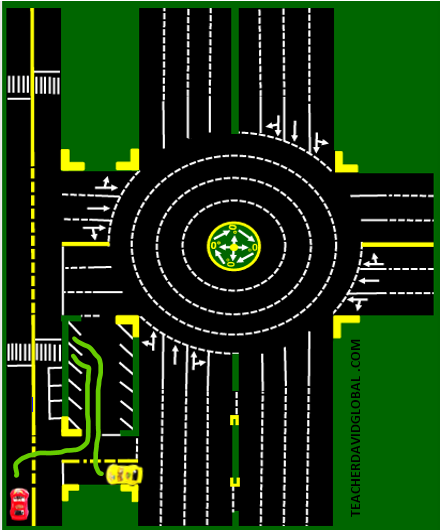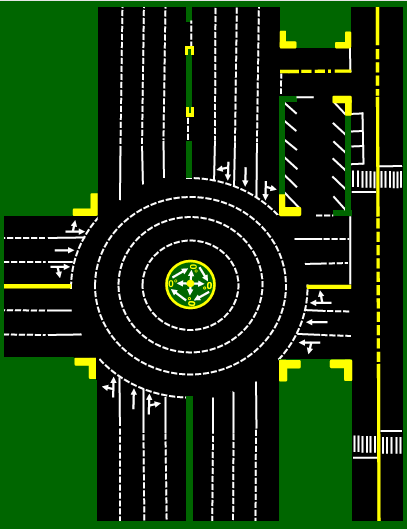
Model Town Board
Model town board is a simple representation/illustration of all road networks in East Africa (Kenya, Uganda and Tanzania) on a board.
M – Model/ Modern
T – Town/ Traffic / Theory
B – Board
FEATURES OF M.T.B (MODEL TOWN BOARD)
The M.T.B is a practice area for learning to drive safely.
It has different road types, traffic signs, and markings to help learners understand real road situations.
Roundabout
A circular junction where vehicles move clockwise (keeping left in East Africa).
Traffic can go in different directions safely.
Vehicles entering must give way to traffic already inside.
One-way traffic
Roads with more than two lanes where traffic moves in the same direction.
Lanes are divided by white continuous or broken lines.
Two-way traffic
Roads with one or two lanes per side where traffic moves in opposite directions.
Divided by yellow continuous or broken lines.
Parking zones
Angle Parking: Cars park at a 45° angle. Found in malls, hospitals, etc.
Flush (Parallel) Parking: Cars park alongside the road. Mostly on two-way traffic roads.
Pavement / central reserve: The middle part of a road, usually raised or marked, separating traffic directions. Found on major one-way, four-lane roads.
Central line: A line in the center of minor roads or three-lane highways. Helps separate traffic moving in opposite directions.
Pedestrian crossing: Marked areas where pedestrians cross the road safely. Usually on two-way traffic roads.
Green field / land reserve: Areas reserved for future road expansion or open spaces.
Yellow kerbs: Markings at the green field showing restricted areas or boundaries.
U-turn: A place where you can turn 180° to go in the opposite direction. Must be done only at designated areas at the pavement only.
Exit from main road: Marked areas at pavements or U-turns to safely join two-way traffic.
Stop sign: Tells vehicles to stop completely before entering a road or junction. Found where parking, one-way, or two-way roads entering two-way traffic roads.
Give way sign: Tells drivers to yield to traffic. Usually at roundabouts, U-turn, two-way traffic and parking when entering the one-way traffic road.
Dual carriage traffic road: Roads with two lanes on each side moving in opposite directions. Not included in M.T.B.
Entry to parking: Marked with yellow lines showing the direction of traffic into the parking area.
Road markings: Includes arrows and lane indicators to show which direction each lane leads. Helps learners stay in the correct lane.
RULES OF M.T.B
When navigating the Model Town Board (M.T.B) during training or examinations, follow these principles:
Shortest correct route: Use the shortest and most accurate route that completes the course. Avoid unnecessary detours or deviations.
Longest Correct Route: Use the longest route available while still following the correct traffic flow. This tests endurance, control, and proper adherence to traffic rules.
Use of Parking Areas: Only use parking zones as a route when no other path is available. Parking should be the last option, not the first choice. Always follow road markings, traffic signs, and lane discipline while choosing your route.
ROUNDABOUT
A roundabout is a circular junction where vehicles move around the circle in a clockwise direction (keeping left in East Africa).
It allows traffic to go in different directions safely without causing accidents or collisions.
Vehicles entering the roundabout must give way to traffic already inside.
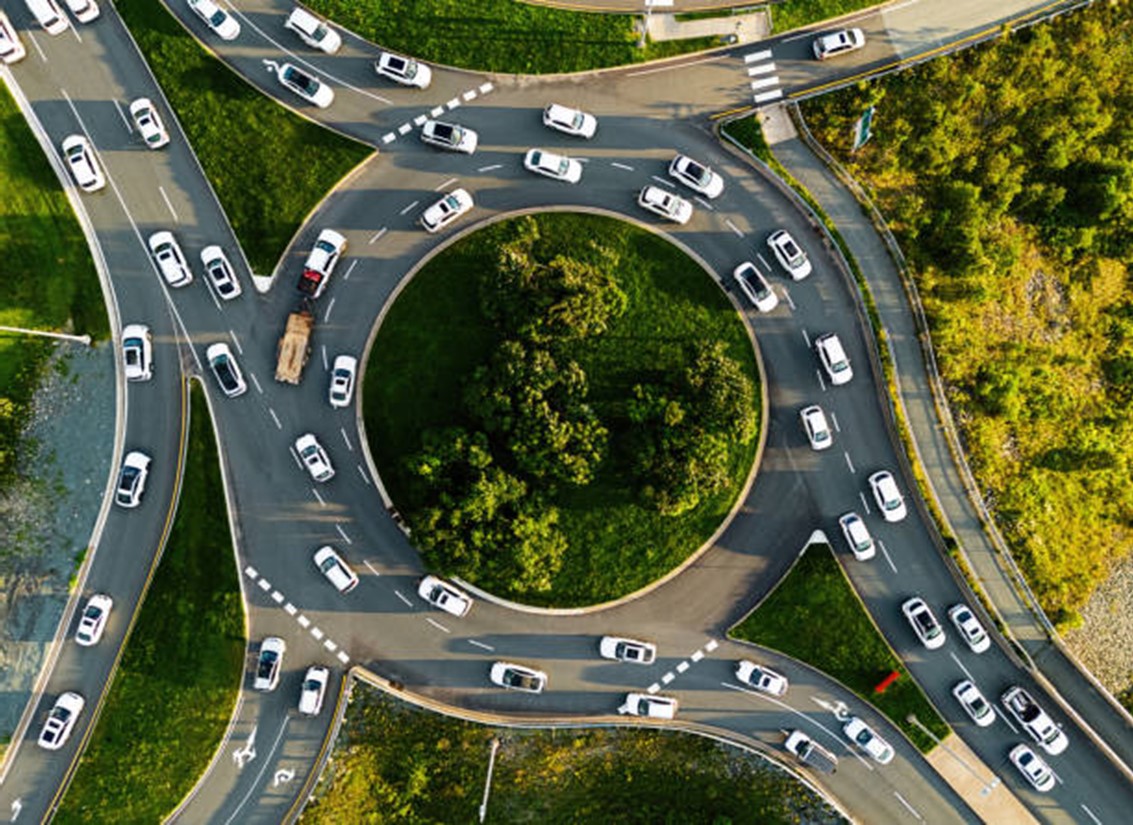
STEPS FOR DRIVING ON A ROUNDABOUT
Slow down as you approach.
Check for traffic signs and road markings.
Look in rear-view and side mirrors.
Check vehicles already on the roundabout.
Signal right if you are turning off at the next exit.
Signal left only when taking the first exit from the opposite direction (rare).
Give way to vehicles already on the roundabout.
Stop if necessary and wait for a safe gap.
Move in smoothly when safe.
Stay in your lane.
Stay in the correct lane according to your exit.
Avoid cutting across lanes.
Signal left when approaching your exit.
Check mirrors and move out safely.
Look out for pedestrians and cyclists near exits.
Keep a safe speed; don’t stop unnecessarily on the roundabout.
Always observe other drivers and anticipate their moves.
Roundabouts are designed to keep traffic moving safely. Follow the rules, signal clearly, and give way to avoid accidents.
RULES OF A ROUNDABOUT
When driving on a roundabout, follow these rules:
No Stopping – Keep moving unless you need to give way.
No Parking – Do not park on the roundabout.
No Waiting – Do not stop or wait on the roundabout.
No Overtaking / No Lane Changing – Stay in your lane until you exit.
Always follow lane discipline, signals, and give way rules to stay safe.
MISTAKES MADE AT THE ROUNDABOUT
When using a roundabout, learners often make these mistakes:
Entering the roundabout from a lane that doesn’t match your intended exit.
Leaving the roundabout from the wrong lane, which can cause accidents.
Stopping unnecessarily instead of giving way while moving.
Moving across lanes while on the roundabout is dangerous.
Not observing signals properly or misreading them.
Always choose the correct lane, observe traffic, and maintain lane discipline to avoid accidents.
PARTS OF A ROUNDABOUT
Outer Lanes (Spaces 1, 2 & 3) – These are the lanes counted from the outermost side of the roundabout.
Innermost Lane (Lane 4) – The lane closest to the center of the roundabout.
Traffic Island – The center part of the roundabout that guides traffic to move clockwise.
Line of Funnel – The yellow markings around the traffic island that help direct vehicles safely.
The largest roundabout in East Africa is the Globe Cinema roundabout in Kenya.
RULES OF A YELLOW KERB
When driving near a yellow kerb, follow these rules:
No Stopping – Do not stop your vehicle at a yellow kerb.
No Waiting – Do not wait or idle at a yellow kerb.
No Parking – Parking is not allowed at a yellow kerb.
Tip: Yellow kerbs are usually used to keep traffic moving and prevent blockages.
SPACES (1, 2 & 3)
When driving on a roundabout, follow these guidelines for the lanes or spaces:
You will approach from either a major road (4 lanes) or a minor road (3 lanes).
Count lanes from the left in the direction of traffic flow.
MINOR ROAD (3 LANES)
Lane 1 (outermost lane): Can go straight or turn left (arrows indicate options).
Lane 2: Can go straight only (arrow indicates option).
Lane 3 (innermost lane): Has 5 options:
Options 1 & 2 are indicated by arrows (go straight or turn right).
Options 3, 4 & 5 use the angles at the innermost lane of the roundabout: 90°, 180°, 270° (relative to 0°).
MAJOR ROAD (4 LANES)
Lane 1 (outermost lane): Can go straight or turn left.
Lane 2: Can go straight only.
Lane 3: Can go straight or turn right.
Lane 4 (innermost lane): Can take 4 options at the innermost lane angles: 90°, 180°, 270°, 360° (relative to 0°).
Note: There is no 0° direction.
Always follow the lane markings and arrows when entering the roundabout.
HOW WE USE SPACES (1, 2 & 3) & INNERMOST LANE
FIRST LANES(OUTER LANE)
Vehicles from the first lanes use the first space (outermost) of the roundabout, moving clockwise.
They exit to the first lanes on the other side according to the arrows: go straight or turn left.
Note: This rule is the same for both minor and major roads.
SECOND LANES
Vehicles from the second lanes use the second space of the roundabout.
They exit to the second lanes according to the only option: go straight.
Note: This rule is also the same for both minor and major roads.
USING THIRD LANE (MINOR ROAD) ON A ROUNDABOUT
First two options (outer part of third lane): Vehicles from the third lane use the third space (clockwise).
Option 1: Go straight and exit to the third lane on the minor road.
Option 2: Turn right and exit to the third lane leading to the major road.
Remaining three options (innermost lane)
Option 3: Join the innermost lane clockwise.
Start counting at 0°, then exit at 90° to the fourth lane on the right (major road near the pavement).
Option 4: Join the innermost lane
Start at 0°, turn 90°, and exit at 180° (opposite the third lane, near the central line).
Option 5: Join the innermost lane clockwise.
Start at 0°, turn 90°, 180°, then exit at 270° to the fourth lane on the left (major road near the pavement).
Always follow the arrows and lane markings to avoid mistakes when navigating the third lane.
IMPORTANT ROUNDABOUT LANE RULES
All first lanes are the same – They have two options: Go straight, or Turn left.
Always use space 1 and exit to lane 1.
All second lanes are the same – They have one option only: Go straight.
Always use space 2 and exit to lane 2.
MINOR ROAD OPTIONS 2:1:5
Third lanes on minor roads have 5 options:
The first two options (go straight or turn right) use space 3 and exit to lane 3 on the minor road.
The remaining three options (3, 4, and 5) go by angles after 0° (90°, 180°, and 270°) and must use the innermost lane (lane 4).
All third lane options must exit to third lanes on the minor road only.
Any vehicle that uses the innermost lane (lane 4) must exit to the innermost lanes only, near the pavement or central line.
MAJOR ROAD OPTIONS 2:1:2:4
Lane 1 (first lane): Has 2 options:
Option 1: Join first space clockwise, then exit to the first lane of the major road (straight).
Option 2: Join first space clockwise, then exit to the first lane of the minor road (left).
Lane 2 (second lane): Has 1 option only:
Join second space clockwise, then exit to the second lane of the major road (straight).
Lane 3 (third lane)- 2 options
Option 1: Join third space clockwise, then exit to the third lane of the major road (straight).
Option 2: Join third space clockwise, then exit to the second lane of the minor road (right).
IMPORTANT NOTE
The major road has four lanes, while the minor road has three lanes.
Because of this difference, when using the second option from the third lane (major to minor), the vehicle exits onto the second lane instead of the third lane.
This creates enough space for option one from the fourth lane to move safely, helping traffic flow smoothly and safely through the roundabout.
Lane 4 (fourth lane): Has 4 options that use the innermost lane clockwise, turning by angles after 0°
Option 1 (90°): Join the innermost lane, count 0°, and exit at 90° to the third lane of the minor road, near the central line on the right.
Option 2 (180°): Join the innermost lane, count 0°, turn 90°, and exit at 180° to the fourth lane of the opposite major road, near the pavement.
Option 3 (270°): Join the innermost lane, count 0°, turn 90°, continue to 180°, and exit at 270° to the third lane of the minor road to the left, near the central line.
Option 4 (360°): Join the innermost lane, count 0°, turn 90°, 180°, 270°, and exit at 360° (back to starting point), returning to the fourth lane of the major road straight ahead.
WHAT TO DO DURING THE DRIVING TEST
Follow all NTSA registration procedures to qualify for the test.
Prepare well for both the practical and theory exams.
Arrive on time at the examination centre.
On the Model Town / Theory Board, pay attention to:
How you join lanes at junctions, roundabouts, or other roads.
All instructions from the examiner must be followed carefully.
Speak clearly and confidently when required.
Respect all vehicles on the board:
Stationary vehicles: These do not move, but you must obey the rules regarding them.
WHAT NOT TO DO DURING THE DRIVING TEST
Do not arrive late, as you may miss your test slot.
Do not ignore examiner instructions.
Do not speak unclearly or hesitantly, as this may lead to discontinuation of your test.
Do not drive recklessly on the Model Town or theory board.
Do not ignore stationary vehicles or the rules associated with them.
NTSA MODEL TOWN BOARD QUESTIONS AND ANSWERS
1. Drive yellow behind the white vehicle
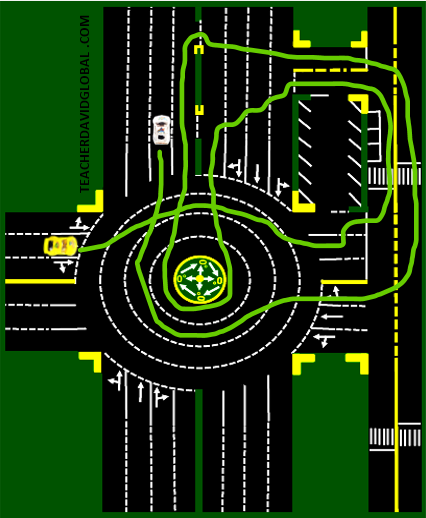
2. Drive white in front of the yellow vehicle
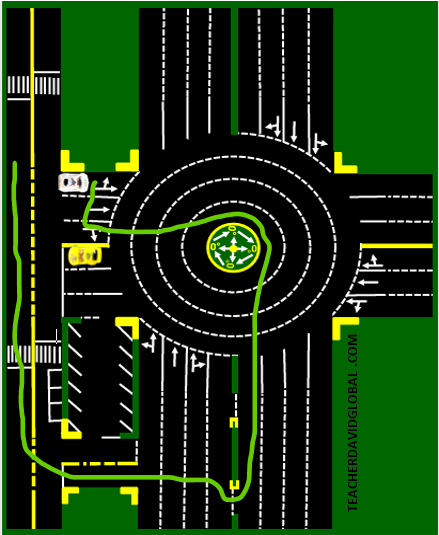
3. Drive yellow behind the white vehicle
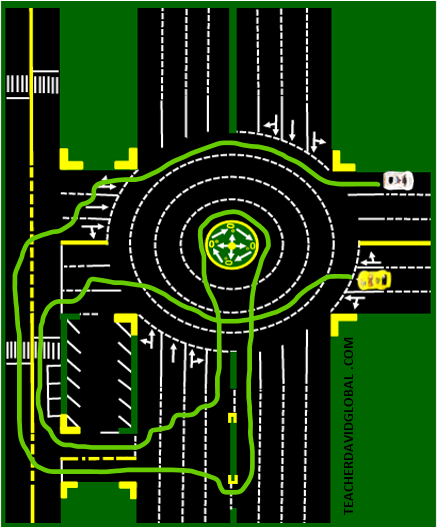
4. Drive yellow behind the white vehicle
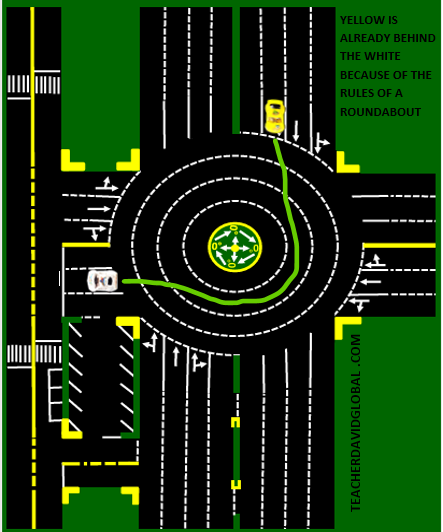
5. Drive yellow in front of the white vehicle
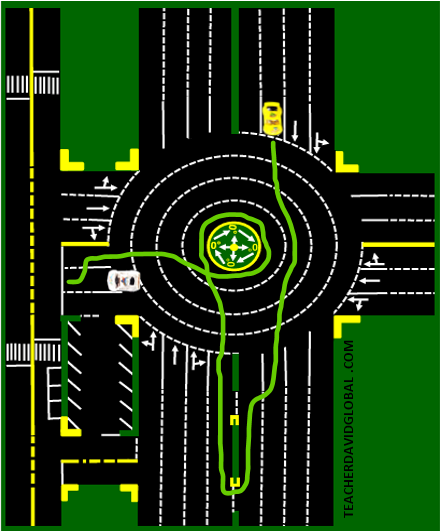
6. Drive red in front of the white vehicle
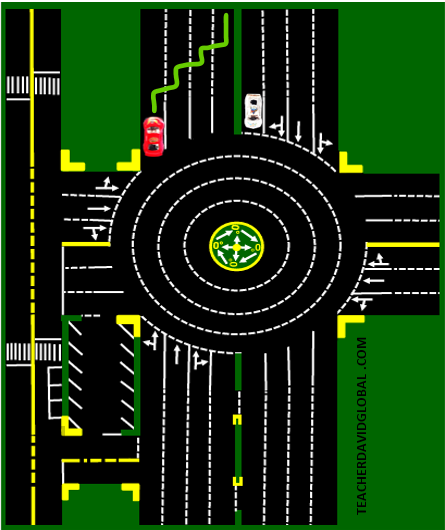
7. Drive red in front of the white vehicle
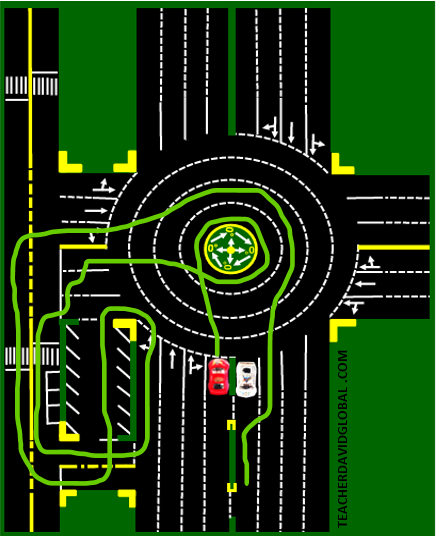
8. Drive red in front of the white vehicle
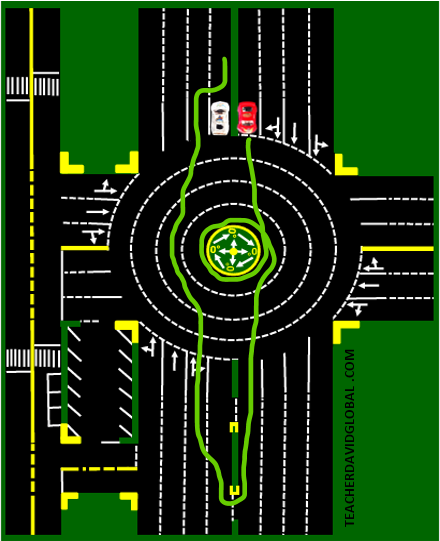
9. Drive red in front of the white vehicle
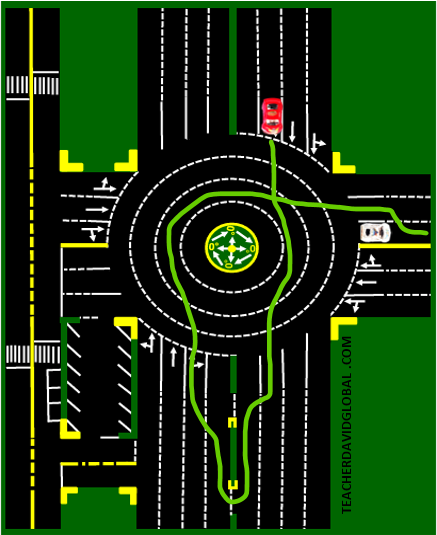
10. Drive red in front of the white vehicle
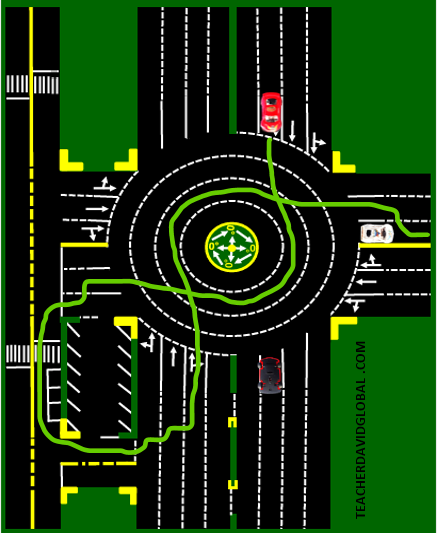
11. Drive red in front of the white vehicle
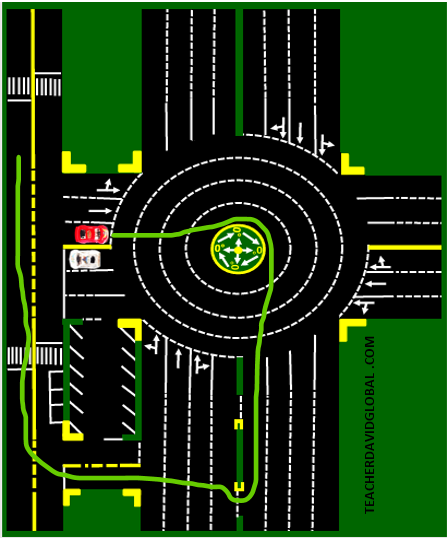
12. Drive red in front of the white vehicle
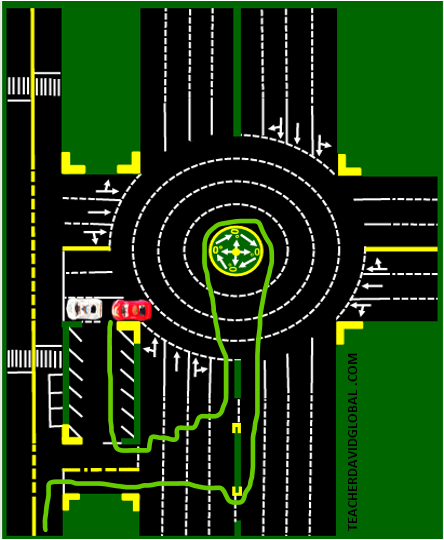
13. Drive red in front of the white vehicle
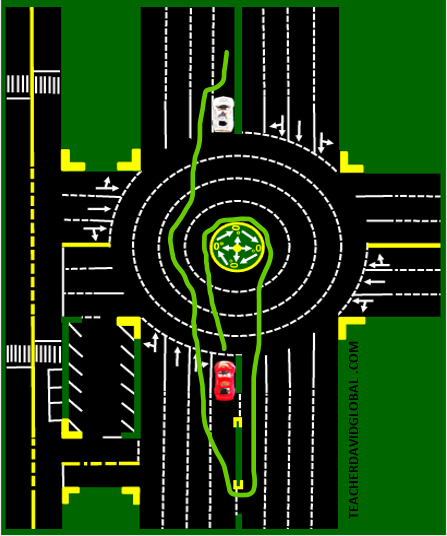
14. Drive red in front of the white vehicle
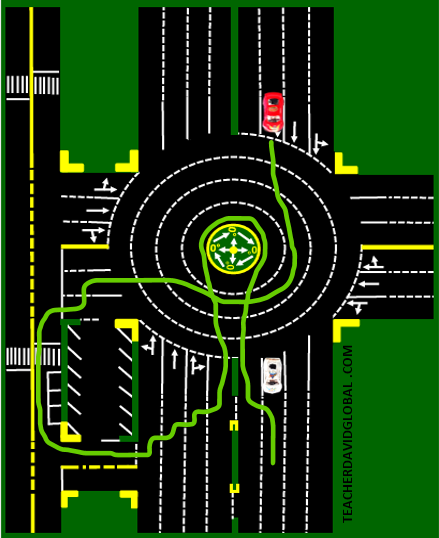
15. Drive red in front of the white vehicle
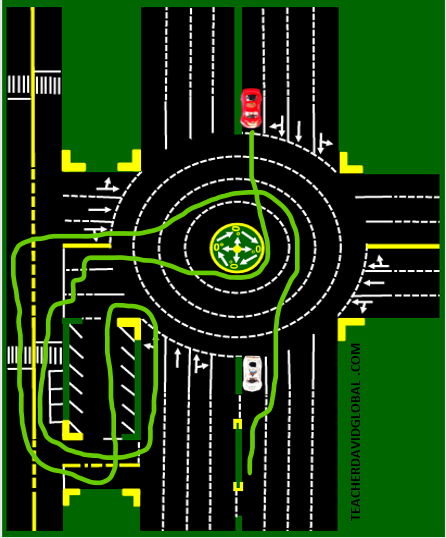
16. Drive red in front of the white vehicle
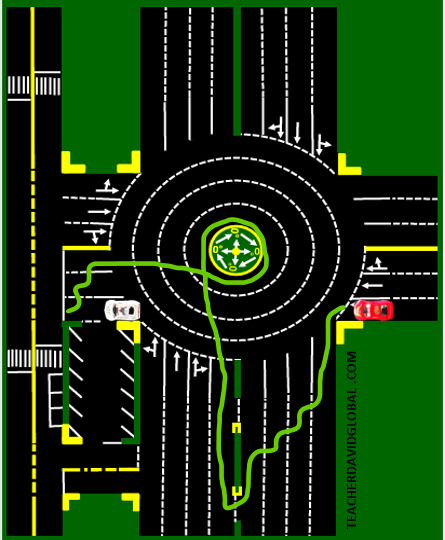
17. Drive red in front of the white vehicle
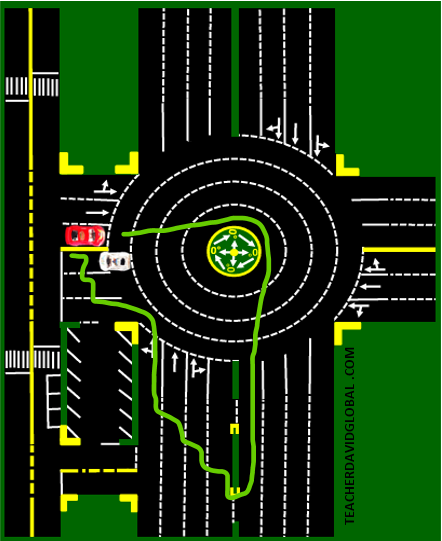
18. Drive yellow behind the red vehicle
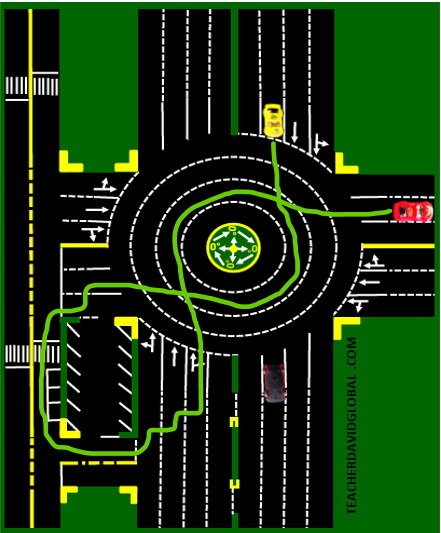
19. Drive yellow behind the red vehicle
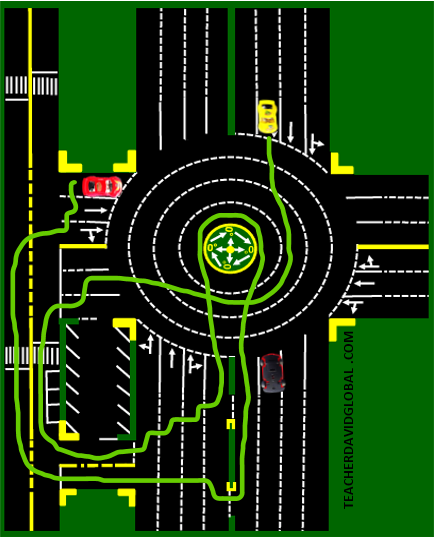
20. Drive yellow to the parking
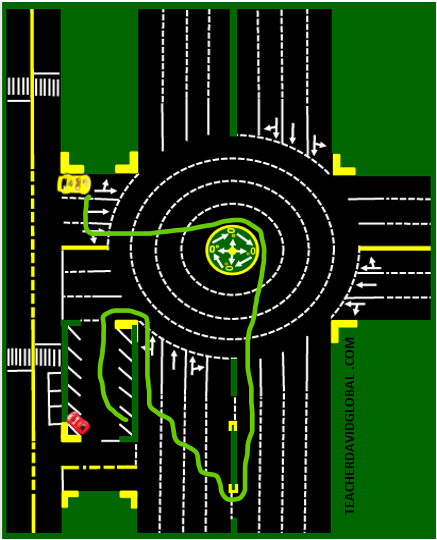
21. Drive white behind the yellow vehicle
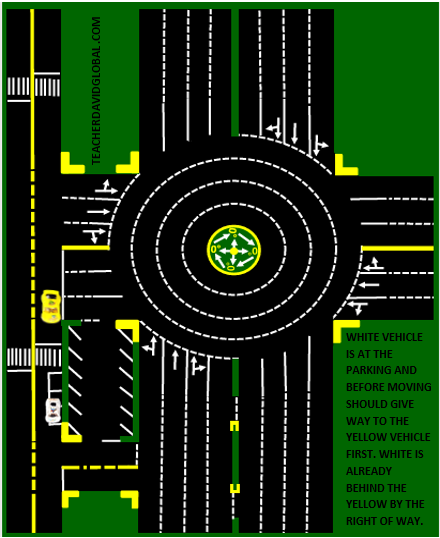
22. Drive white behind the yellow vehicle
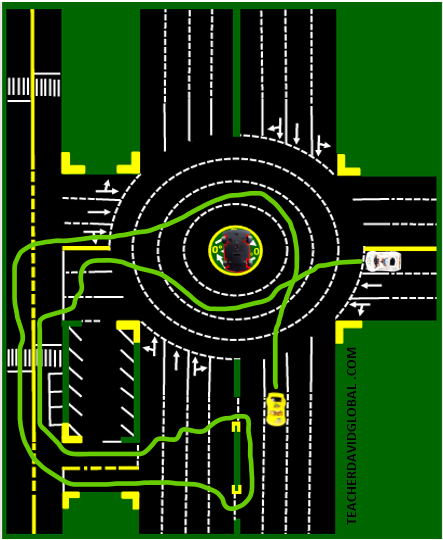
23. Drive white behind the yellow vehicle
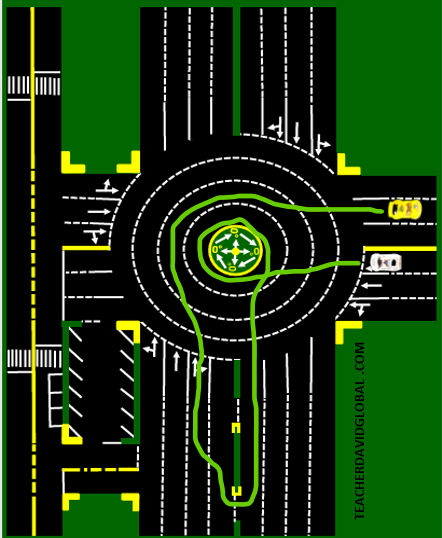
24. Drive yellow behind the blue vehicle
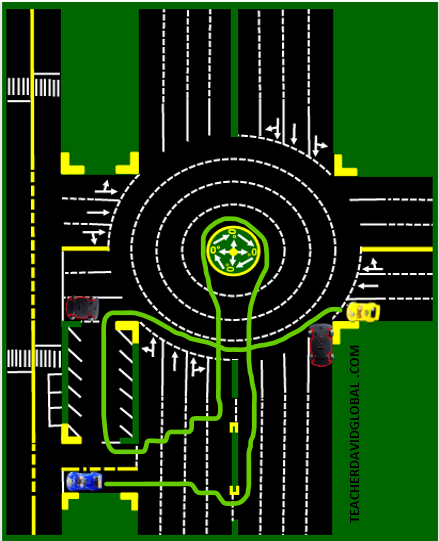
25. Drive yellow in front of the white vehicle
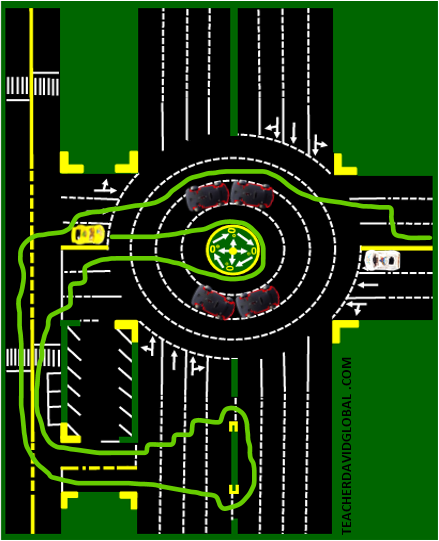
26. Drive yellow in front of the red vehicle
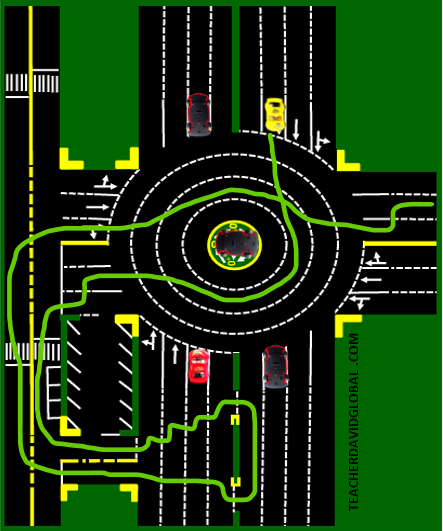
27. Drive yellow in front of the red vehicle
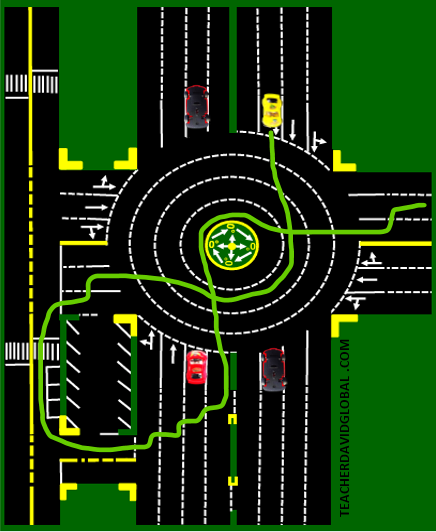
28. Drive Red behind the yellow vehicle
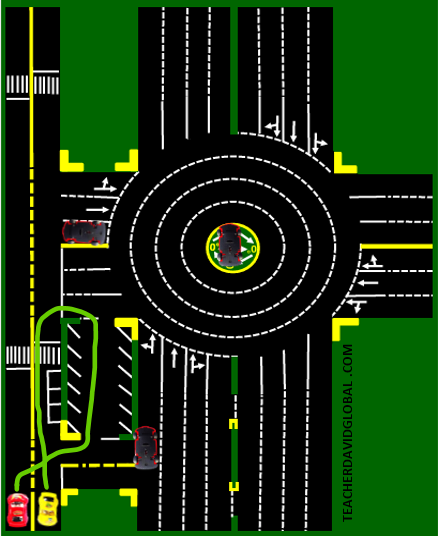
29. Drive yellow vehicle to the parking
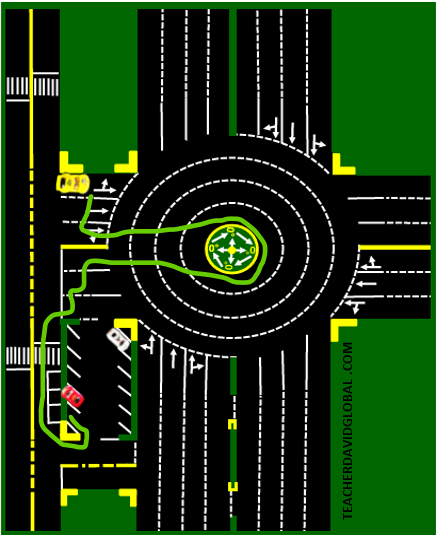
30. Drive red in front of the blue vehicle
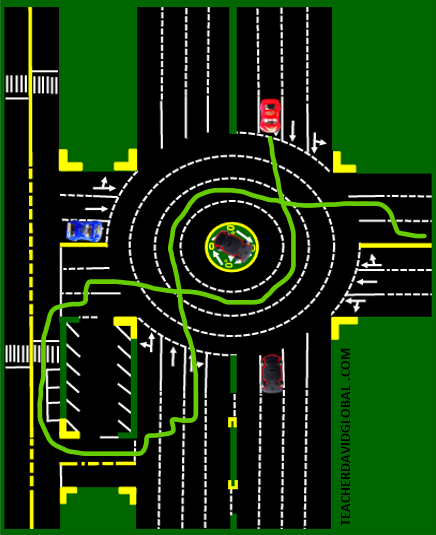
31. Drive red behind the yellow vehicle
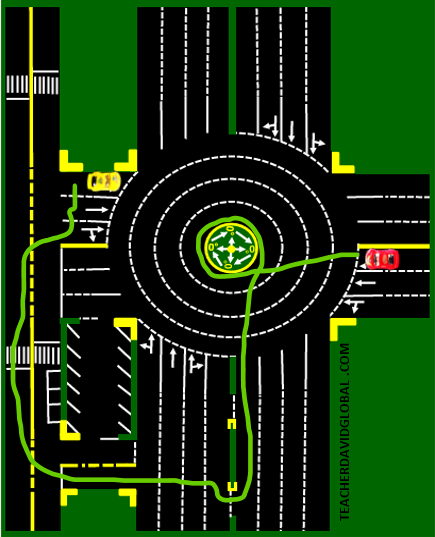
32. Drive yellow behind the red vehicle
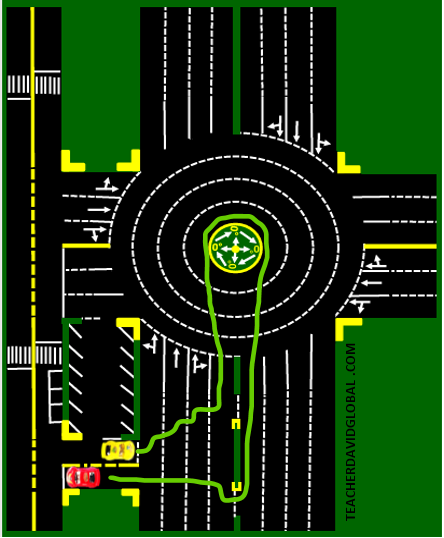
33. Drive yellow behind the red vehicle
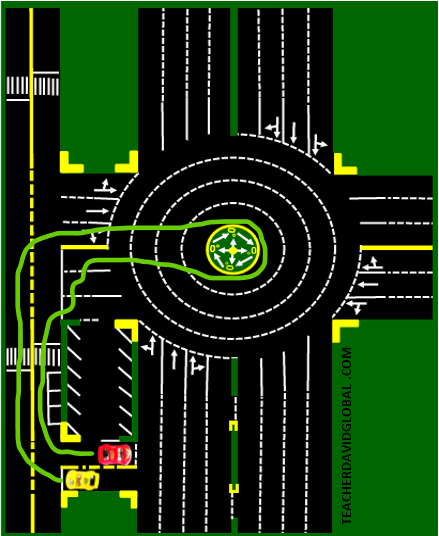
34. Drive red in front of the yellow vehicle
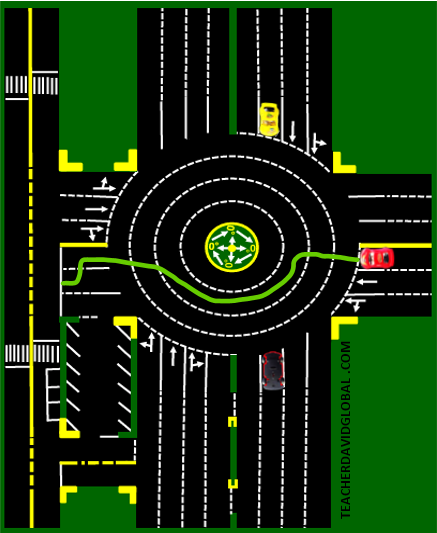
35. Drive red in front of the white vehicle
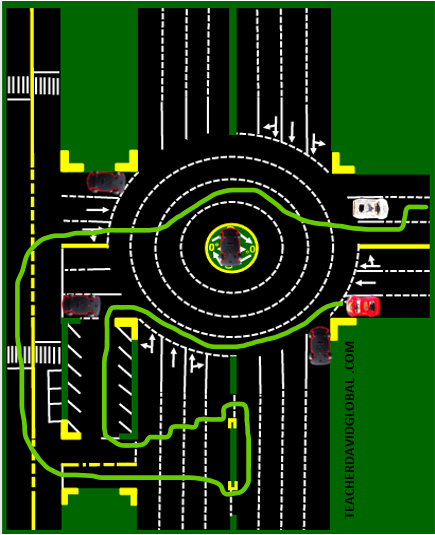
36. Drive red in front of the yellow vehicle
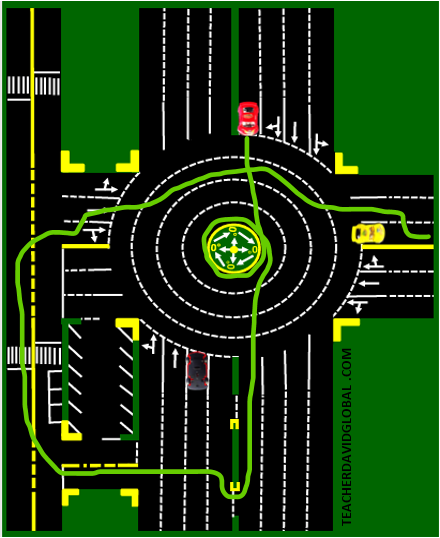
37. Drive yellow in front of the red vehicle
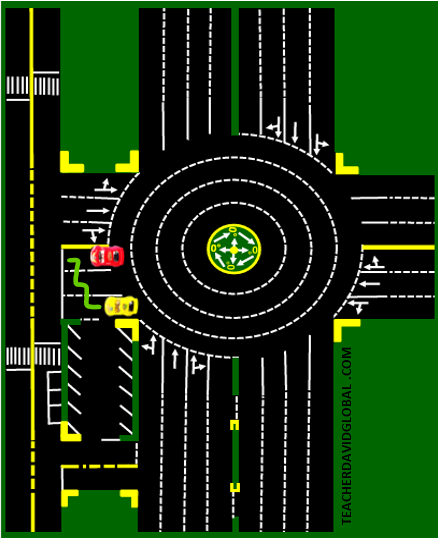
38. Drive red in front of the yellow vehicle
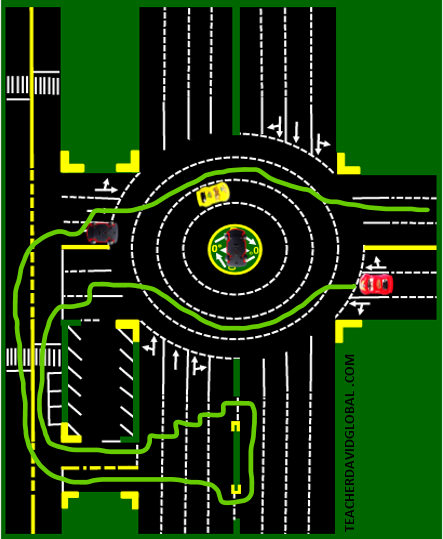
39. Drive yellow in front of the red vehicle
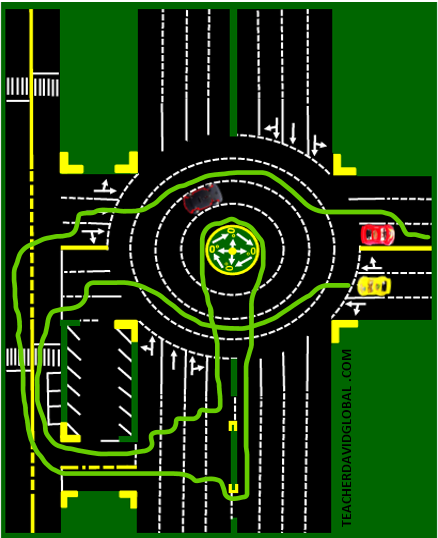
40. Drive yellow behind the red vehicle
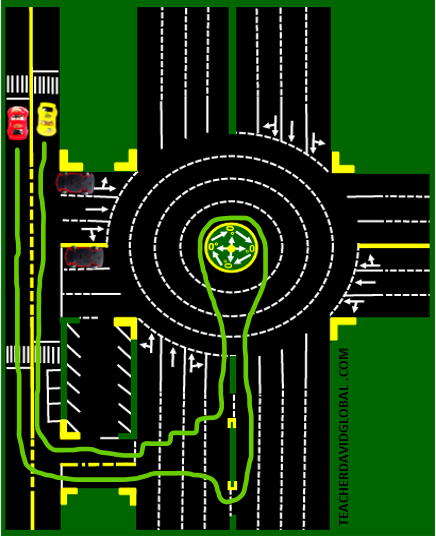
41. Drive red in front of the yellow vehicle
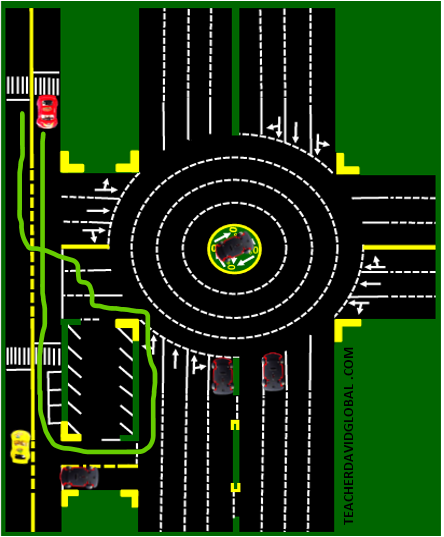
42. Drive red in front of the yellow vehicle
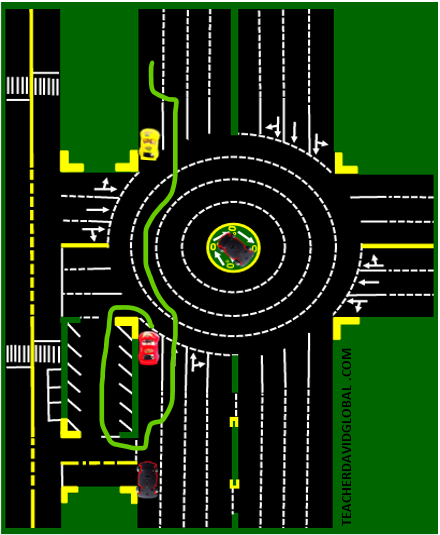
43. Drive red behind the yellow vehicle
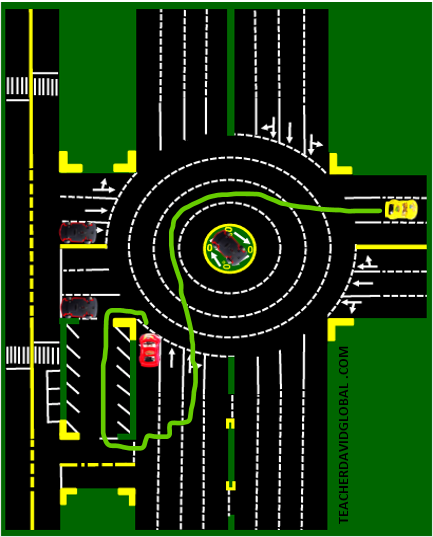
44. Drive red behind the yellow vehicle
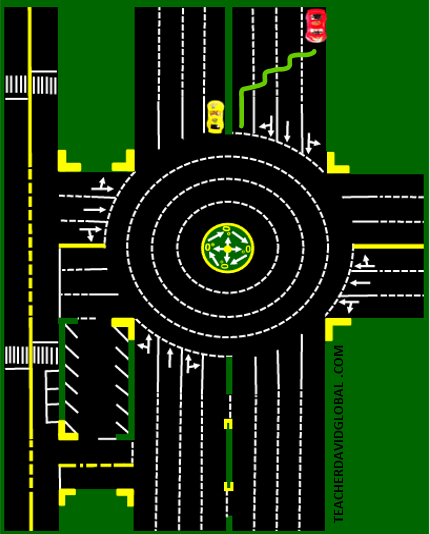
45. Drive red behind the yellow vehicle
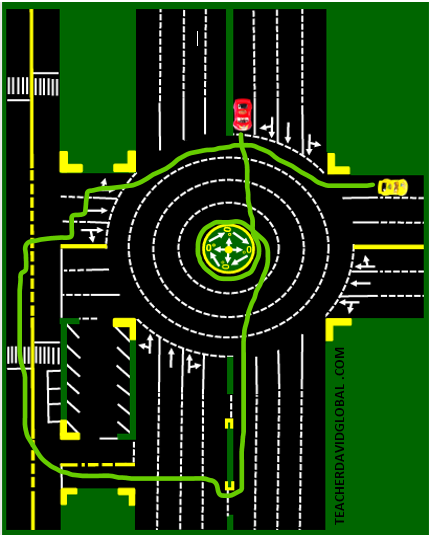
46. Drive red behind the yellow vehicle
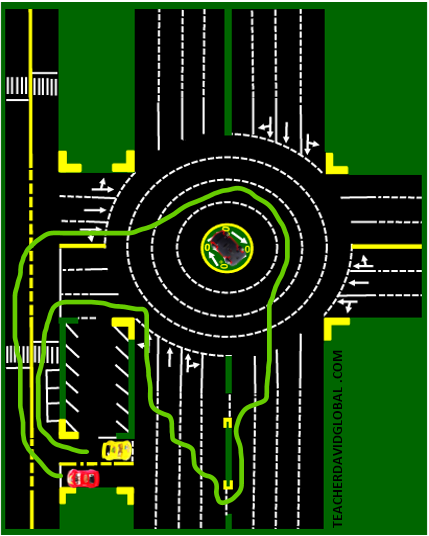
47. Drive red behind the yellow vehicle
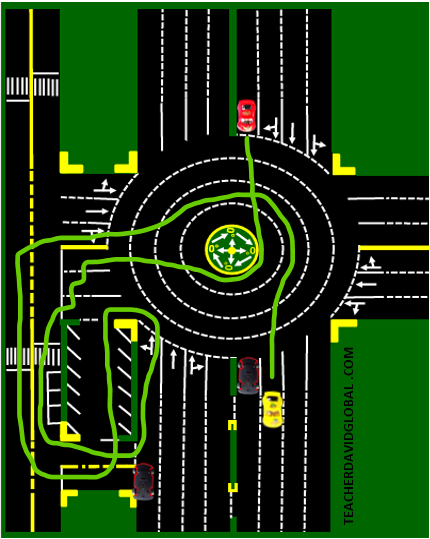
48. Drive red in front of the yellow vehicle
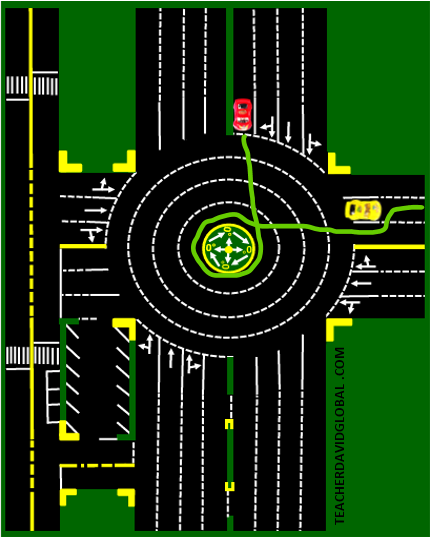
49. Drive red in front of the yellow vehicle
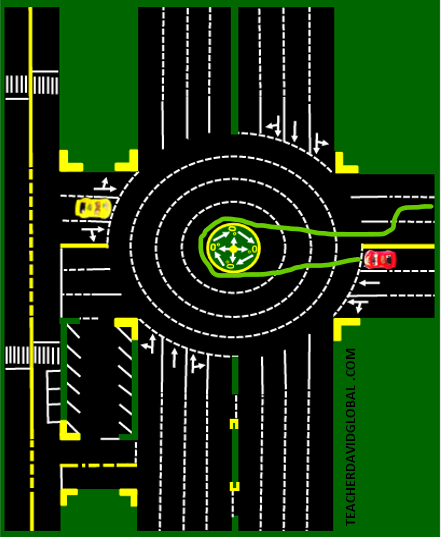
50. Drive red in front of the yellow vehicle
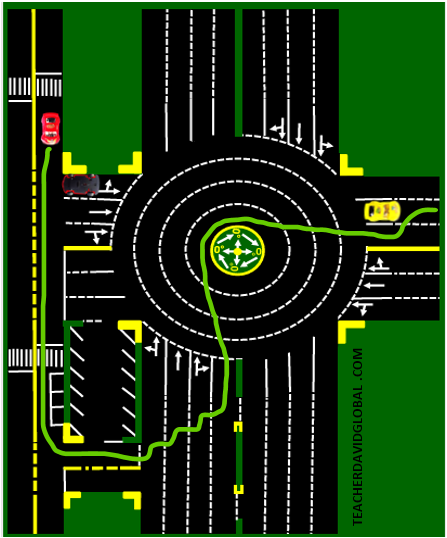
51. Drive red behind the yellow vehicle
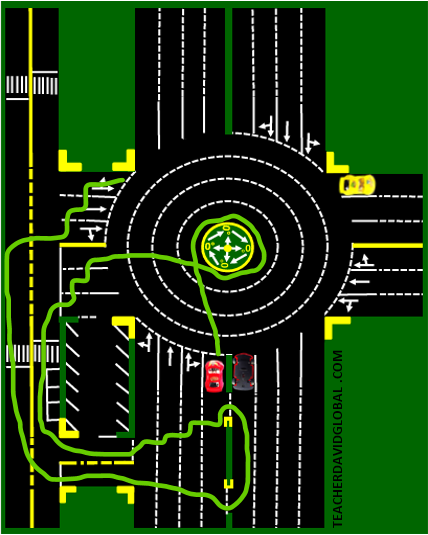
52. Drive red behind the yellow vehicle
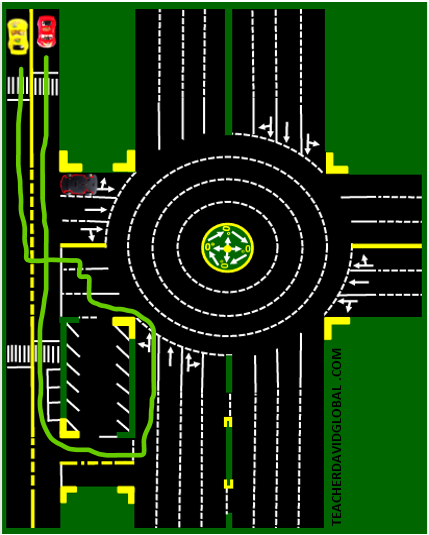
53. Drive red in front of the yellow vehicle
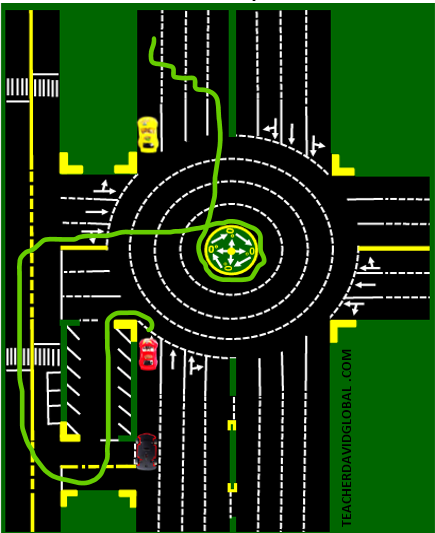
54. Drive red behind yellow vehicle
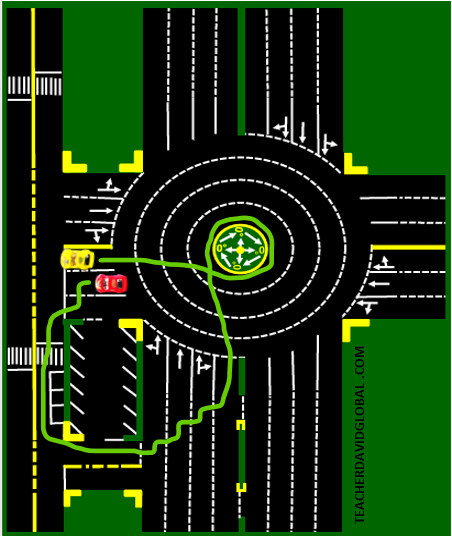
55. Drive red behind the yellow vehicle
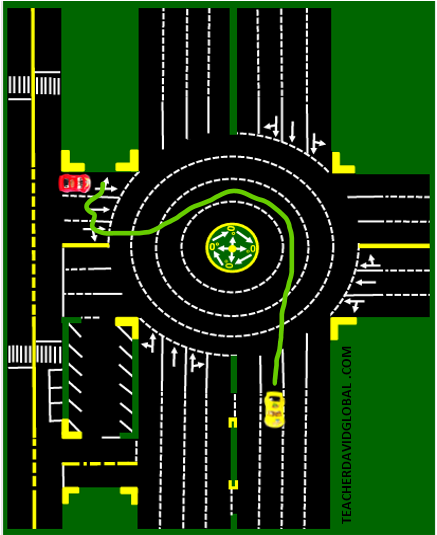
56. Drive red behind the yellow vehicle
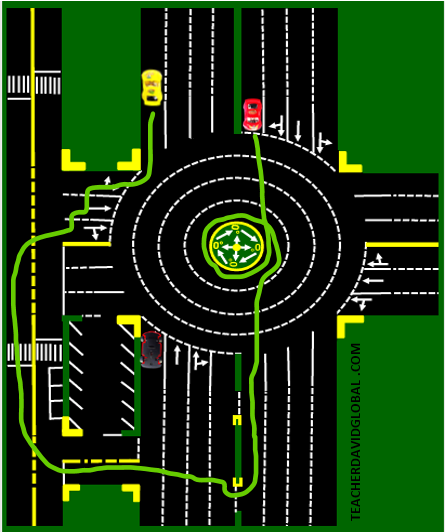
57. Drive red behind the yellow vehicle
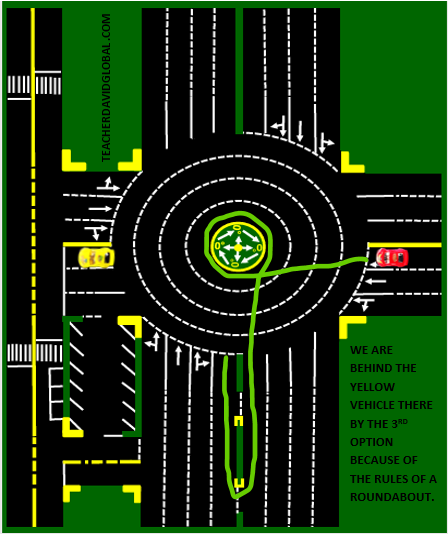
58. Drive red behind the yellow vehicle
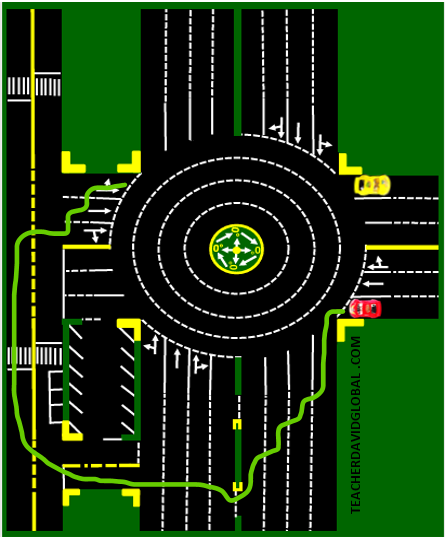
59. Drive red behind the yellow vehicle
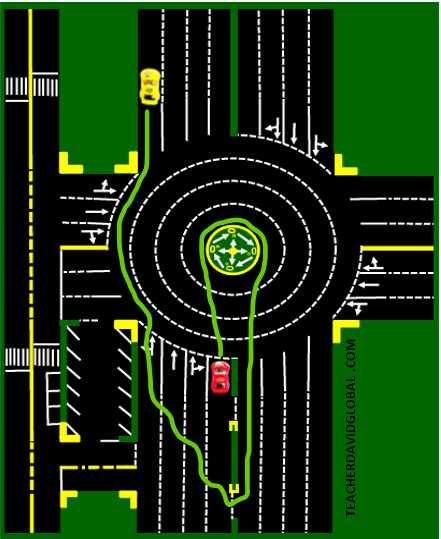
60. Drive red behind the yellow vehicle
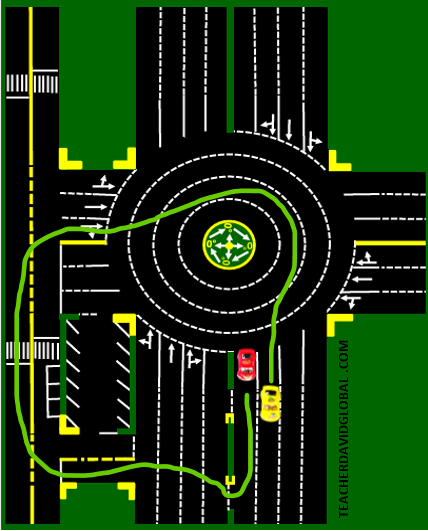
61. Drive red behind the yellow vehicle
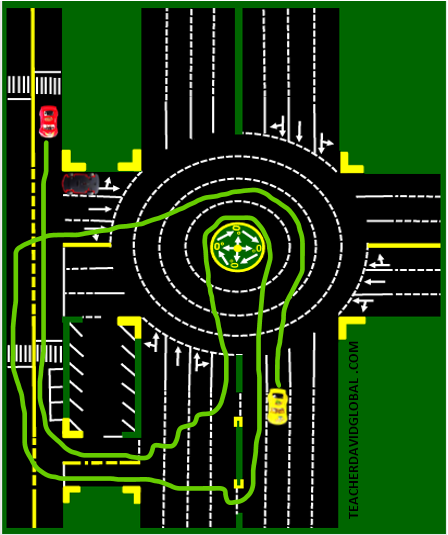
62. Drive red behind the yellow vehicle
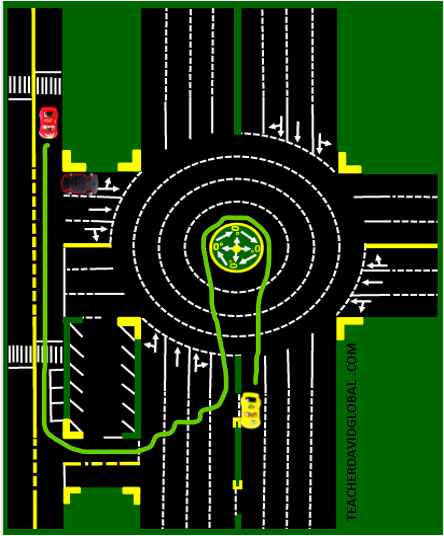
63. Drive red vehicle to the parking
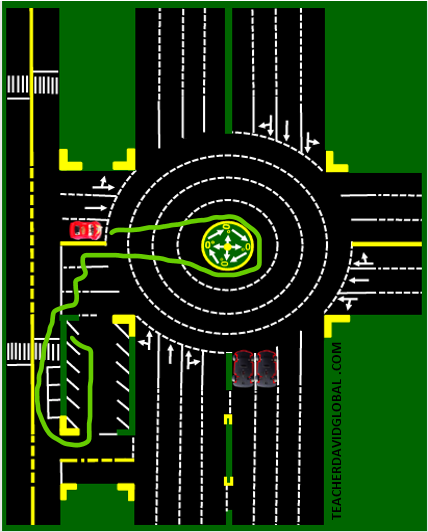
64. Drive red behind the yellow vehicle
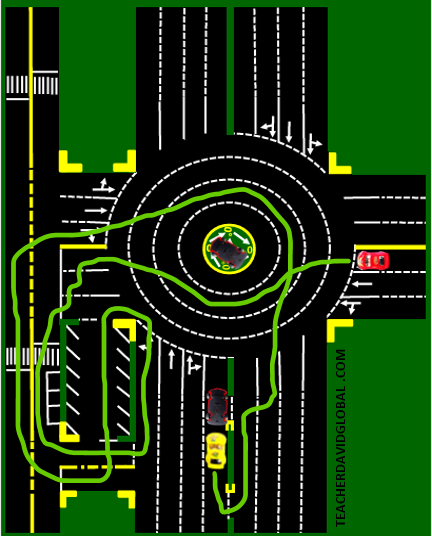
65. Drive red behind the yellow vehicle
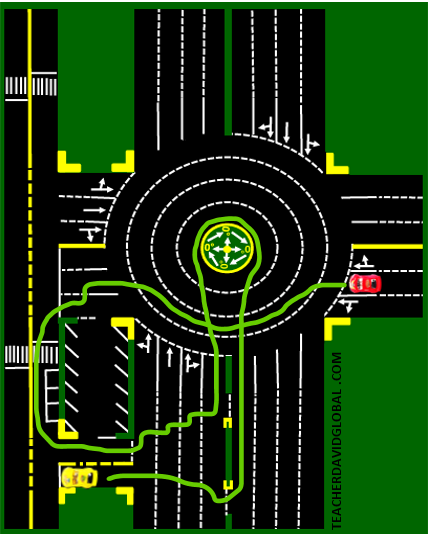
66. Drive red behind the yellow vehicle
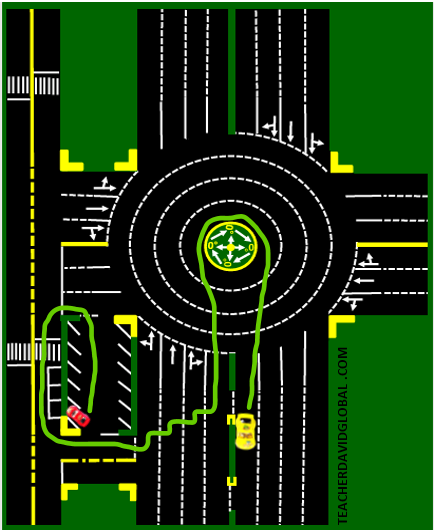
67. Drive red in front of the yellow vehicle
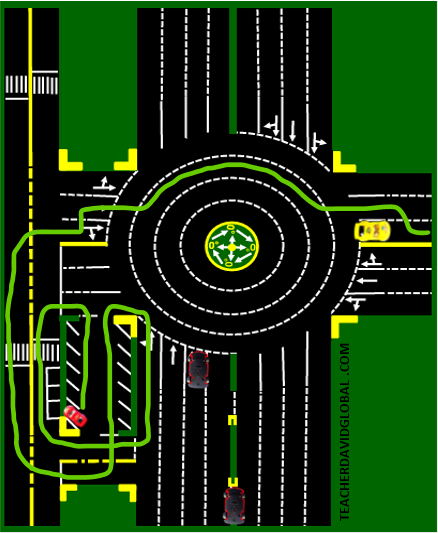
68. Drive red in front of the yellow vehicle
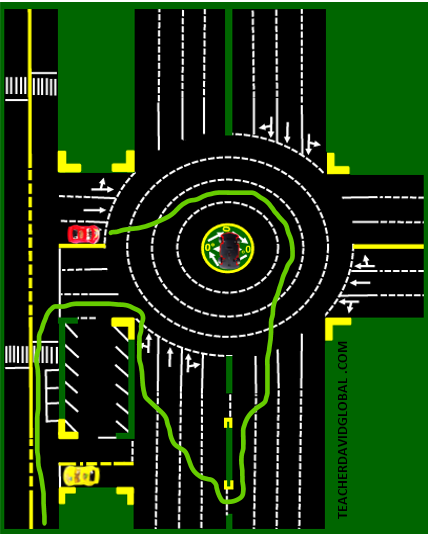
69. Drive red behind the yellow vehicle
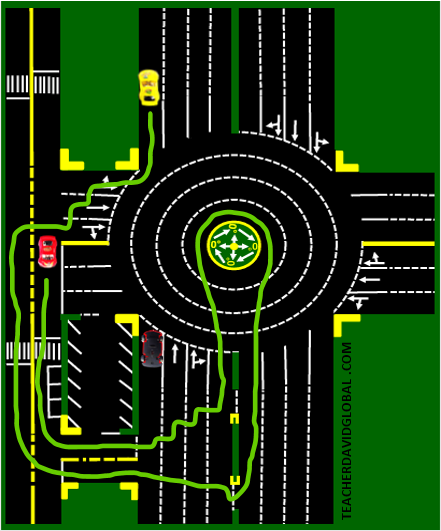
70. Drive red behind the yellow vehicle
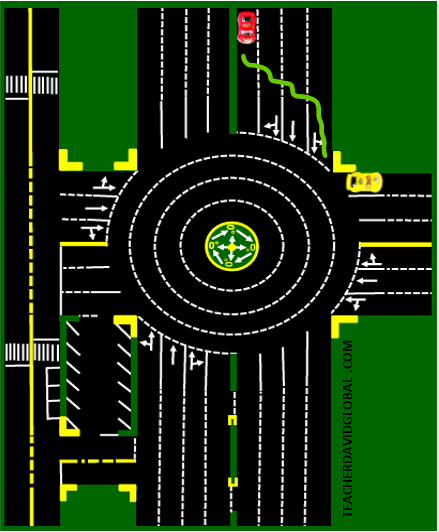
71. Drive yellow behind the red vehicle
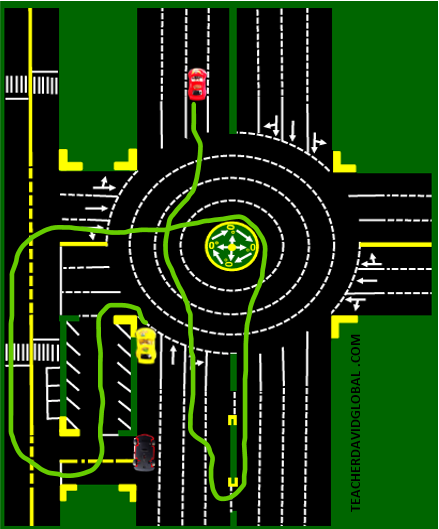
72. Drive any vehicle to the parking