Parking is a designated area set aside by the government or private individuals where vehicles can be stationary safely.
TYPES OF PARKING
ANGLE PARKING
Also called secure, controlled, or ample parking.
Commonly found at supermarkets, malls, hospitals, and other public areas.
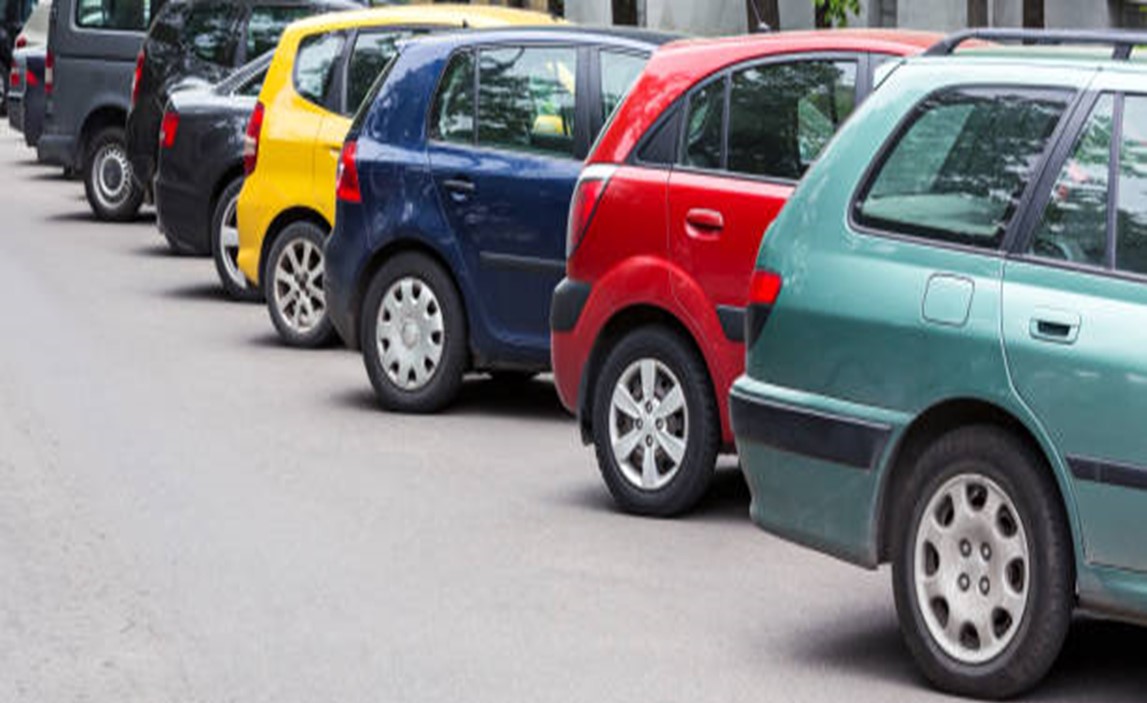
Also called direct parking, stage parking, unsecure parking, or uncontrolled parking.
Typically found on the left side of traffic, mostly on two-way traffic roads.
RULES OF ANGLE PARKING
Park from the furthest end of the parking row to maximize space and organization.
Park saloon vehicles only (suitable for standard cars).
Park at an angle of 45° to the parking line for safety and ease of maneuvering.
Enter by moving forward and exit by reversing to maintain proper flow and reduce accidents.
RULES OF FLUSH (PARALLEL) PARKING
Park from the furthest end of the parking area to maximize organization.
Park at your own risk; ensure safety before leaving
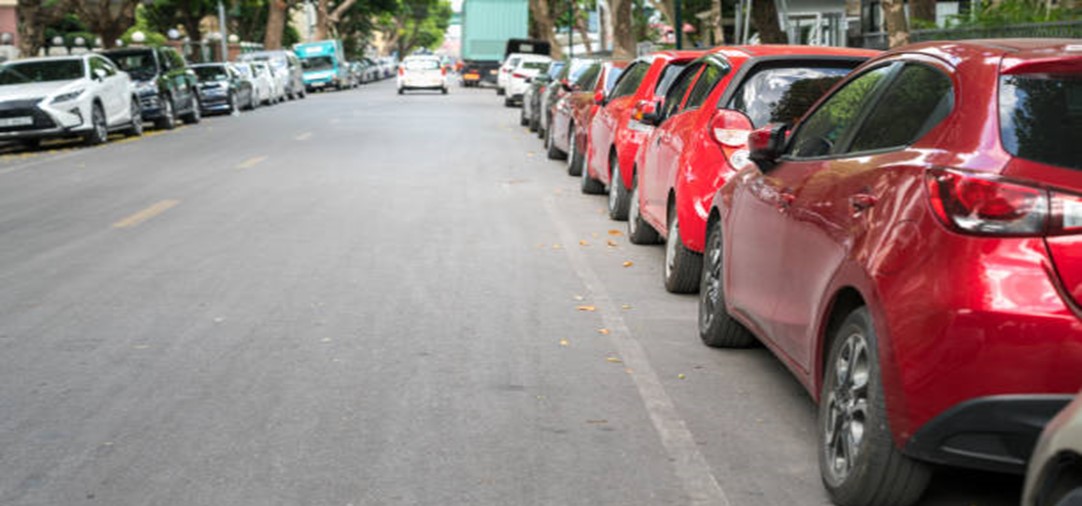
Enter by reversing and exit by moving forward.
Park for a short period to allow smooth traffic flow.
Park at an angle of 90° relative to the curb or road edge.
Leave enough space for vehicles to enter and exit safely.
Park all types of vehicles, except trailers and tractors, which are unsuitable for flush parking areas.
Trailers and tractors are parked mostly on the green fields along two-way traffic.
PARKING AT THE KERB
Always park in a legal and safe space.
Check rear-view mirrors to observe surrounding traffic.
Find a safe and convenient spot suitable for your vehicle.
Signal your intention to slow down and park.
Slow the vehicle gradually using the brake and clutch.
Move gradually closer to the kerb or parking line.
About 5 metres from the stopping point, press the clutch to avoid stalling.
Stop the car, apply the handbrake, shift to neutral, and cancel the indicator.
Remove your feet from the pedals and ensure the vehicle is secure.

DRIVING TEST TIPS
When your instructor or examiner instructs you to drive a certain vehicle at a specified speed, it may indicate that you should proceed to a designated parking area.
Follow all standard parking procedures to ensure the vehicle is safely and correctly positioned.
Speed limits vary depending on the type of vehicle:
The highway speed limits and recommended parking types for different vehicles are as follows:
Saloon Vehicles: 110 km/h – Angle Parking
Lorries: 80 km/h – Flush (Parallel) Parking
Pickups: 80 km/h – Flush (Parallel) Parking
Trailers: 65 km/h – Park in a green field alongside two-way traffic, away from junctions
Tractors: 45 km/h – Park in a green field alongside two-way traffic, away from junctions
Always follow legal speed limits and park in designated or safe areas appropriate for your vehicle type.
Always drive within the legal speed limit and adjust your speed according to road, weather, and traffic conditions for safety.
NB: All commercial vehicles speed limit on highways is 80kph