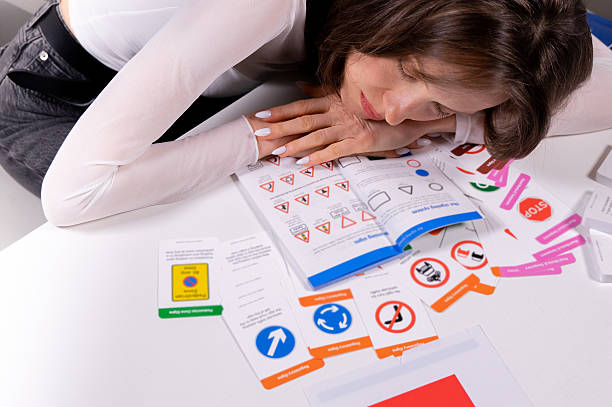
Dvsa Theory Test 6
1. What should you do when your vehicle starts to oversteer on a bend?
A. Brake hard
B. Accelerate sharply
C. Steer gently in the direction of the skid
D. Turn off engine
2. What is the purpose of a vehicle’s alternator?
A. Brake system
B. Charge the battery and power electrical systems
C. Control steering
D. Increase speed
3. What should you do when approaching a sharp dip in the road?
A. Speed up
B. Overtake
C. Slow down and proceed carefully
D. Honk
4. What does a white “lane ends” arrow indicate?
A. Parking allowed
B. Speed limit
C. Lane merging ahead
D. Stop sign
5. What should you do when another driver is signaling to merge into your lane?
A. Block them
B. Speed up
C. Allow them to merge safely if possible
D. Honk aggressively
6. What is the purpose of a vehicle’s shock absorbers?
A. Increase speed
B. Reduce bouncing and improve stability
C. Improve fuel
D. Control engine
7. What should you do when approaching a road flooded with water?
A. Drive fast
B. Ignore
C. Check depth and proceed slowly or avoid
D. Brake hard
8. What does a red circle with a white horizontal bar mean?
A. Entry allowed
B. Parking area
C. No entry
D. Speed limit
9. What should you do when approaching a pedestrian using a wheelchair?
A. Speed up
B. Honk
C. Slow down and give extra space
D. Overtake closely
10. What is the purpose of a handbrake hill start technique?
A. Increase speed
B. Prevent rollback on slopes
C. Improve fuel
D. Steering control
11. What should you do when your windscreen is cracked?
A. Ignore
B. Speed up
C. Repair or replace before driving safely
D. Continue normally
12. What does a “give way” sign require you to do?
A. Stop always
B. Speed up
C. Yield to traffic on main road
D. Reverse
13. What should you do when approaching road debris at night?
A. Speed up
B. Ignore
C. Slow down and use headlights to assess safely
D. Overtake
14. What is the purpose of engine compression?
A. Brake system
B. Power generation for engine operation
C. Steering control
D. Fuel tank
15. What should you do when approaching a sharp left bend?
A. Speed up
B. Overtake
C. Slow down before entering the bend
D. Brake mid-bend only
16. What does a flashing red light at a railway crossing mean?
A. Proceed quickly
B. Slow down
C. Stop and wait until safe
D. Reverse
17. What should you do if your vehicle starts to hydroplane?
A. Brake hard
B. Turn sharply
C. Ease off accelerator and steer gently
D. Accelerate
18. What is the purpose of brake pads?
A. Increase speed
B. Create friction to stop vehicle
C. Improve fuel
D. Steering control
19. What should you do when approaching a school patrol crossing?
A. Ignore
B. Overtake
C. Stop when instructed by patrol
D. Speed up
20. What does a zigzag line near a crossing mean?
A. Parking allowed
B. Speed limit
C. No overtaking or stopping
D. Lane marking
21. What should you do when driving behind a slow tractor?
A. Overtake immediately
B. Honk
C. Wait for safe overtaking opportunity
D. Tailgate
22. What is the purpose of steering wheel alignment?
A. Increase speed
B. Ensure straight and stable driving
C. Fuel saving
D. Brake control
23. What should you do when approaching foggy conditions suddenly?
A. Use high beam
B. Speed up
C. Slow down and use fog lights
D. Overtake
24. What does a green pedestrian crossing signal mean?
A. Stop
B. Wait
C. Pedestrians may cross safely
D. Reverse
25. What should you do when your engine warning light flashes?
A. Ignore
B. Continue driving fast
C. Stop and check engine immediately
D. Turn off lights
26. What is the purpose of seatbelts?
A. Comfort
B. Style
C. Reduce injury during collision
D. Speed control
27. What should you do when approaching a sharp uphill?
A. Speed up aggressively
B. Stop mid-hill
C. Shift to lower gear for control
D. Neutral gear
28. What does a broken yellow line at curb mean?
A. No stopping
B. Parking anytime
C. Limited waiting allowed
D. Speed zone
29. What should you do when your vehicle skids on ice?
A. Brake hard
B. Accelerate
C. Steer gently in direction of skid
D. Turn off engine
30. What is the purpose of road mirrors at blind junctions?
A. Decoration
B. Speed increase
C. Improve visibility of hidden traffic
D. Fuel saving
31. What should you do when approaching a merging motorway lane?
A. Stop
B. Reverse
C. Match speed with traffic flow
D. Drive slowly only
32. What does a blue circular sign usually indicate?
A. Warning
B. Prohibition
C. Mandatory instruction
D. Suggestion
33. What should you do when approaching a pedestrian crossing at night?
A. Speed up
B. Ignore
C. Slow down and be prepared to stop
D. Overtake
34. What is the purpose of vehicle suspension springs?
A. Increase speed
B. Absorb road shocks for comfort
C. Fuel saving
D. Steering control
35. What should you do when driving in heavy wind conditions?
A. Speed up
B. Ignore
C. Hold steering firmly and reduce speed
D. Overtake
36. What does a white arrow on road markings show?
A. Speed limit
B. Parking area
C. Direction of travel
D. Warning
37. What should you do when approaching a junction with no visibility?
A. Speed up
B. Overtake
C. Stop and proceed only when safe
D. Reverse
38. What is the purpose of engine oil?
A. Cooling tires
B. Lubricating engine parts
C. Steering control
D. Brake power
39. What should you do when approaching a broken-down vehicle?
A. Speed up
B. Ignore
C. Slow down and pass carefully
D. Honk
40. What does a red triangle sign warn about?
A. Parking
B. Speed zone
C. Danger ahead
D. Direction
41. What should you do when your brakes feel soft?
A. Ignore
B. Speed up
C. Stop and check brake system immediately
D. Continue normally
42. What is the purpose of indicators?
A. Decoration
B. Show intention to turn or change lane
C. Speed increase
D. Fuel saving
43. What should you do when approaching road narrowing?
A. Speed up
B. Overtake
C. Slow down and allow other vehicles if needed
D. Ignore
44. What does a “no entry” sign mean?
A. Entry allowed
B. Parking allowed
C. Vehicles are not permitted to enter
D. Speed zone
45. What should you do when driving in rain at night?
A. Speed up
B. Ignore
C. Reduce speed and increase following distance
D. Overtake
46. What is the purpose of mirrors when overtaking?
A. Decoration
B. Check for traffic behind and in blind spots
C. Fuel control
D. Speed increase
47. What should you do when approaching a sharp corner downhill?
A. Speed up
B. Neutral gear
C. Slow down and use low gear
D. Overtake
48. What does a pedestrian priority zone mean?
A. Cars have priority
B. Parking area
C. Pedestrians have right of way
D. Speed zone
49. What should you do when your vehicle starts vibrating unusually?
A. Ignore
B. Speed up
C. Stop and inspect vehicle safely
D. Brake hard
50. What is the ultimate principle of safe driving?
A. Speed
B. Competition
C. Protect life and prevent accidents
D. Comfort only