UK DVSA Theory Test UK
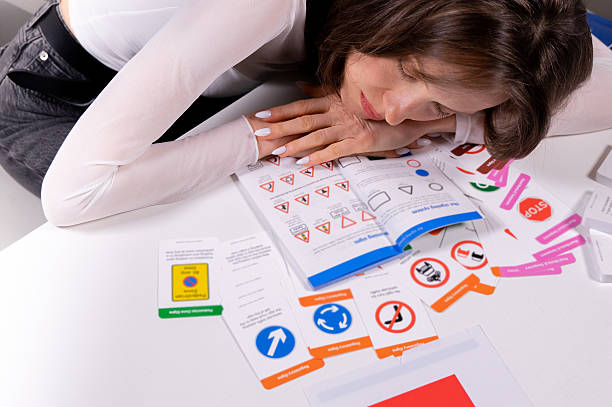
Dvsa Theory Test 51
- 1. What should you do when your vehicle’s power steering warning light appears?
A. Ignore it
B. Continue driving normally
C. Stop safely and check steering system
D. Increase speed - 2. What does a triangular sign with a level crossing symbol mean?
A. Bus stop ahead
B. Parking zone
C. Railway level crossing ahead
D. Roundabout ahead - 3. What should you do when approaching a zebra crossing at night with no street lights?
A. Speed up
B. Overtake
C. Slow down and be prepared to stop
D. Flash headlights and proceed - 4. What is the safest action when your vehicle begins to understeer on a bend?
A. Brake hard
B. Turn steering sharply
C. Ease off accelerator and steer gently in intended direction
D. Accelerate - 5. What does a red circular sign with a bus symbol mean?
A. Bus lane ahead
B. Bus parking allowed
C. No buses allowed
D. Bus stop - 6. What should you do if your engine suddenly loses power while driving?
A. Continue normally
B. Speed up
C. Pull over safely and investigate the problem
D. Turn off headlights only - 7. What is the purpose of a rear-view mirror?
A. Increase speed
B. Reduce blind spots completely
C. Monitor traffic behind you
D. Improve fuel economy - 8. What should you do when approaching a sharp bend with loose gravel?
A. Speed up
B. Brake inside the bend
C. Slow down before entering the bend
D. Overtake - 9. What does a blue circular sign with a left arrow mean?
A. Optional direction
B. Warning sign
C. You must turn left ahead
D. Parking zone - 10. What should you do when your clutch begins to slip?
A. Ignore it
B. Drive faster
C. Have the vehicle inspected as soon as possible
D. Brake suddenly - 11. What is the main danger of driving with damaged shock absorbers?
A. Better comfort
B. Improved grip
C. Poor stability and longer stopping distance
D. Higher speed - 12. What should you do when another driver suddenly overtakes and cuts in front of you?
A. Tailgate them
B. Brake harshly
C. Maintain safe following distance
D. Flash headlights aggressively - 13. What does a flashing amber light at a railway crossing mean?
A. Stop immediately
B. Proceed without caution
C. Proceed carefully and be prepared to stop
D. Reverse - 14. What should you do when approaching a roundabout with heavy traffic flow?
A. Force entry
B. Stop in middle
C. Wait for a safe gap before entering
D. Overtake queue - 15. What is the purpose of electronic stability control (ESC)?
A. Increase speed
B. Improve fuel usage
C. Help prevent skidding and loss of control
D. Assist parking only - 16. What should you do when animals suddenly appear on a road at night?
A. Honk and continue
B. Speed up
C. Slow down and stop if necessary
D. Flash high beams continuously - 17. What does a broken white lane marking allow?
A. No overtaking
B. Stop only
C. Change lanes or overtake if safe
D. Parking only - 18. What should you do when brake warning light appears while driving downhill?
A. Ignore it
B. Speed up
C. Stop safely immediately and check brakes
D. Turn off headlights - 19. What is the safest approach when entering a junction with limited visibility?
A. Speed up
B. Ignore traffic
C. Move slowly and check both directions carefully
D. Overtake - 20. What does a triangular sign with children running mean?
A. Parking area
B. Speed zone
C. School area or children crossing ahead
D. Bus stop - 21. What should you do when following a tractor on a narrow road?
A. Overtake immediately
B. Tailgate
C. Wait for safe passing opportunity
D. Honk continuously - 22. What is the purpose of engine oil?
A. Increase speed
B. Cool tyres
C. Lubricate engine parts
D. Improve steering - 23. What should you do when fog becomes very thick while driving?
A. Speed up
B. Continue normally
C. Slow down and use fog lights appropriately
D. Overtake traffic - 24. What does a green traffic light mean?
A. Stop
B. Prepare to stop
C. Proceed if the way is clear
D. Reverse - 25. What should you do when ABS light comes on intermittently?
A. Ignore it
B. Continue driving fast
C. Have system checked soon
D. Turn off engine while driving - 26. What is the purpose of lane markings?
A. Decoration
B. Speed increase
C. Organize and guide traffic flow safely
D. Parking control only - 27. What should you do when approaching a pedestrian using a mobility aid?
A. Honk
B. Speed up
C. Give them enough time and space to cross safely
D. Swerve around - 28. What does a red X above a lane on motorway mean?
A. Lane open
B. Overtaking allowed
C. Lane closed, must not be used
D. Parking permitted - 29. What should you do when a tyre pressure warning light appears?
A. Ignore it
B. Continue driving fast
C. Check and adjust tyre pressure as soon as possible
D. Deflate all tyres - 30. What is the purpose of pedestrian refuge islands?
A. Parking zone
B. Speed bump
C. Safe waiting area for pedestrians crossing roads
D. Bus stop - 31. What should you do when approaching a school crossing patrol?
A. Ignore instructions
B. Speed up
C. Stop when signaled and wait for instruction
D. Overtake pedestrians - 32. What does a continuous red line along curb mean?
A. Parking allowed
B. Loading zone
C. No stopping at any time
D. Taxi stand - 33. What should you do when another driver is driving aggressively behind you?
A. Brake suddenly
B. Speed up aggressively
C. Maintain steady speed and allow them to pass safely
D. Block them - 34. What is the purpose of crumple zones in a car?
A. Increase speed
B. Improve comfort
C. Absorb impact energy in a collision
D. Reduce fuel use - 35. What should you do when approaching a foggy rural road?
A. Use high beam
B. Speed up
C. Slow down and use dipped or fog lights
D. Overtake - 36. What does a dashed white centre line indicate?
A. No overtaking
B. Stop required
C. Overtaking allowed if safe
D. Parking zone - 37. What should you do when feeling drowsy while driving on motorway?
A. Open window only
B. Drink energy drink and continue
C. Stop and rest immediately
D. Increase speed - 38. What is the safest way to reverse on a busy road?
A. Quickly without checking
B. Mirrors only
C. Check surroundings and reverse slowly if safe
D. Honk and reverse - 39. What does a triangular sign with falling debris indicate?
A. Parking zone
B. Roadworks
C. Danger of falling rocks or debris
D. Speed limit - 40. What should you do when approaching a busy shopping street?
A. Speed up
B. Ignore pedestrians
C. Drive slowly and be ready to stop
D. Overtake - 41. What is the purpose of seatbelts?
A. Comfort
B. Fashion
C. Protect occupants during crashes
D. Speed control - 42. What should you do when your vehicle overheats in traffic?
A. Continue driving
B. Speed up
C. Stop safely and allow engine to cool
D. Turn heater on maximum - 43. What does a flashing amber pedestrian light indicate?
A. Stop immediately
B. Ignore pedestrians
C. Proceed carefully and give way if needed
D. Reverse - 44. What should you do when approaching a railway crossing without gates?
A. Speed up
B. Ignore warning signs
C. Stop, look, listen, and cross only when safe
D. Overtake - 45. What is the main risk of coasting downhill in neutral?
A. Fuel saving
B. Better control
C. Loss of braking efficiency and control
D. Faster acceleration - 46. What does a blue circular sign indicate?
A. Warning
B. Advice
C. Mandatory instruction
D. Parking allowed - 47. What should you do when another vehicle suddenly merges into your lane?
A. Brake harshly
B. Honk aggressively
C. Maintain safe distance and stay calm
D. Follow closely - 48. What is the safest action when approaching a flooded road?
A. Drive fast through
B. Ignore depth
C. Avoid or proceed slowly if safe depth is confirmed
D. Brake suddenly - 49. What does a warning triangle placed behind a broken-down vehicle mean?
A. Parking zone
B. Speed limit
C. Warns other drivers of hazard ahead
D. Direction marker - 50. What is the most important principle of safe driving?
A. Speed efficiency
B. Road dominance
C. Safety and awareness of all road users
D. Vehicle size