Hazardous materials vehicles are vehicles used to transport substances that can pose a risk to health, safety, property, or the environment.
These materials are classified based on the type of hazard they present, such as flammable, toxic, corrosive, or explosive substances.
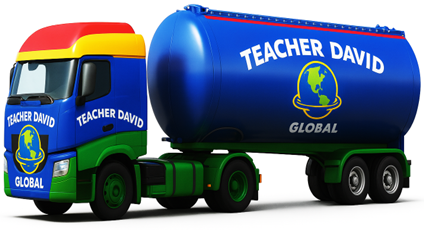
TYPES OF HAZARDOUS MATERIALS VEHICLES
Tank Trucks: Transport liquids like fuel, chemicals, or corrosives.
Box Trucks / Vans: Carry packaged hazardous materials, such as gases, powders, or chemicals.
Flatbed Trucks: Used for large containers of hazardous materials that are difficult to enclose.
Rail Tank Cars: Specialized rail vehicles for bulk hazardous liquids and gases.
IDENTIFICATION
Hazardous materials vehicles are required to display:
Placards or Labels: Indicate the class of hazard (flammable, toxic, explosive, corrosive, radioactive, etc.).
UN Numbers: Unique four-digit numbers identifying specific substances.
Emergency Contact Information: Often displayed for responders in case of accidents.
EXAMPLE OF PLACARD CLASSES
Explosives
Gases
Flammable Liquids
Flammable Solids
Oxidizers & Organic Peroxides
Toxic & Infectious Substances
Radioactive Materials
Corrosive Substances
Miscellaneous Dangerous Goods
SAFETY FEATURES
HazMat vehicles are equipped with:
Spill containment systems
Reinforced tanks
Pressure relief valves
Fire extinguishers onboard
Driver safety equipment (gloves, goggles, protective clothing)
REGULATIONS
Transporting hazardous materials is highly regulated to prevent accidents:
Drivers require HazMat endorsement on their license.
Vehicles must comply with local and international regulations (e.g., OSHA, DOT, ADR).
Routes may be restricted to minimize risk in populated areas.
HAZARDS DURING TRANSPORT
HazMat vehicles can pose risks including:
Fires and explosions
Toxic exposure from leaks or spills
Environmental contamination (soil, water, air)
Health risks to first responders
EMERGENCY RESPONSE
In case of accidents:
Keep a safe distance.
Follow instructions from emergency responders.
Avoid inhaling fumes or touching spilled material.
Identify the hazard using placards/UN numbers if safe.
DRIVER REQUIREMENTS IN KENYA
AGE AND EXPERIENCE
For special heavy goods vehicles (i.e., vehicles that transport hazardous goods), drivers must be at least 30 years old.
They must also have relevant driving experience (e.g., previous years driving lighter or goods vehicles).
MEDICAL AND POLICE CERTIFICATION
Drivers need a medical certificate, confirming they are physically fit to drive large and potentially dangerous cargo.
A police clearance certificate is required, this helps ensure there is no relevant criminal history that could risk safety.
SPECIAL TRAINING / CERTIFICATION
According to NEMA’s Management of Toxic and Hazardous Chemicals and Materials Regulations, 2024, drivers (or any person authorized in the vehicle) must have “appropriate knowledge and training … from an approved training provider.”
They must also use personal protective equipment (PPE) when handling hazardous substances.
The vehicle must carry a Transport Emergency Card (as per Kenyan regulations) that is “duly filled” and displayed.
LICENCE CLASS
Drivers typically need a commercial driver’s licence class that covers heavy goods vehicles. For instance, Class CD on a Kenyan driving license is used for heavy trucks.
Beyond just the licence, compliance with licensing for hazardous goods transport is necessary: under the 2024 NEMA regulations, a licence to transport toxic and hazardous chemicals/materials is required.
COMPLIANCE & REGULATORY REQUIREMENTS
To legally transport hazardous materials in Kenya, companies and drivers must follow strict regulatory guidelines:
LICENSING FOR TRANSPORT
A transport licence from NEMA (National Environment Management Authority) is required for vehicles carrying toxic or hazardous materials.
Applications for the licence must include information on the mode of transport and an inventory of the hazardous materials.
VEHICLE SAFETY STANDARDS
Vehicles must meet relevant Kenya Standards (KS) for the transport of dangerous goods.
During transport, certain safety measures are mandatory:
Appropriate PPE for the driver and handlers.
First aid facilities in the vehicle.
Means to contain spills, plus correct fire extinguishing equipment.
Dangerous goods/tank labelling, placards, and warning signs as per standards.
A Transport Emergency Card displayed on the vehicle.
The substances must be packed and compartmentalized appropriately to avoid mixing with non-hazardous cargo.
Drivers or handlers must not expose the chemicals to adverse weather during transits.
PARKING / STOPPING DURING TRANSIT
When not in motion, hazardous transport vehicles should be parked in designated parking yards (along highways, container yards, or port areas) rather than just anywhere.
EMERGENCY PREPAREDNESS
Transport companies must have emergency response plans.
Drivers should be trained in what to do in case of a spill, accident, or fire.
Regular drills: For instance, EPRA (Energy & Petroleum Regulatory Authority) requires that tanker companies run regular emergency response drills.
Use of PPE by driver/crew during handling of hazardous materials in transit.
REGULATORY BODIES & ENFORCEMENT
NEMA is heavily involved in licensing and regulation of hazardous chemical transport.
Kenya Bureau of Standards (KBS) sets standards for transport (e.g., signage, packaging) that must be met.
EPRA (Energy and Petroleum Regulatory Authority) has specific rules for drivers of petroleum tankers. For instance, EPRA requires that drivers know how to inspect tanks, prevent leakage, and conduct safety checks.
For air transport, the Kenya Civil Aviation Authority (KCAA) requires dangerous goods training for those who handle hazardous goods for air transport.
RENEWAL / RE-CERTIFICATION
Licensing for hazardous transport (from NEMA) likely needs periodic renewal, though the exact period depends on the licence terms.
Drivers might also need to update training or re-certify, especially if regulations change, but specific re-test intervals depend on regulatory conditions and company policy.
KEY CHALLENGES & RISKS FOR COMPLIANCE
Cost of Compliance: Training, PPE, emergency equipment, and vehicle modifications can be expensive.
Enforcement Gap: Ensuring all transporters are properly licensed and vehicles meet standards can be challenging.
Driver Turnover: Skilled, trained drivers for hazardous goods are in demand; turnover can make maintaining compliance tougher.
Infrastructure: Designated parking/holding areas may be limited; not all routes or stops may have safe containment facilities.
Emergency Preparedness: Even with plans, actual response capacity (equipment, trained staff) may vary between companies.
IMMEDIATE ACTIONS IN CASE OF AN ACCIDENT
Stop the vehicle safely
Pull over away from traffic, buildings, and populated areas if possible.
Turn on hazard lights.
Assess the situation
Identify the type of hazardous material involved using placards, labels, or UN numbers.
Observe for leaks, smoke, fire, or unusual odors.
Evacuate if necessary
Evacuate people from the immediate danger zone.
Maintain a safe distance based on the Hazard Class (e.g., flammable liquids: ≥50 meters; toxic gases: ≥100 meters).
NOTIFY AUTHORITIES
Call Emergency Services: Dial 999 or 112 in Kenya for police/fire/rescue.
Provide:
Vehicle location (GPS coordinates if possible)
Type of hazardous material (from UN number/placard)
Number of people involved and any injuries
Notify Employer / Transport Company as per company emergency protocol.
USE OF SAFETY EQUIPMENT
Personal Protective Equipment (PPE): Gloves, goggles, mask/respirator, flame-resistant clothing.
Fire Extinguishers: Use if a fire is small and safe to approach.
Spill Containment Kits: Absorbents, booms, sand, or specialized chemical containment tools.
CONTAINMENT MEASURES
Stop the leak if safe: Close valves, caps, or plugs without putting yourself at risk.
Prevent spreading: Use sand, soil, or absorbent pads to prevent the material from reaching drains, water sources, or soil.
Mark the Hazard Zone: Use warning signs, cones, or tape to alert others.
FIRST AID
Chemical Exposure:
Wash affected skin or eyes immediately with plenty of water for at least 15 minutes.
Remove contaminated clothing.
Inhalation: Move the affected person to fresh air immediately.
Burns or Injuries: Administer first aid and wait for emergency responders.
FIRE PROCEDURES
Identify the Type of Fire: Class B for flammable liquids, Class C for gases, etc.
Use Correct Fire Extinguisher: Foam, dry powder, CO₂ depending on the material.
Do Not Use Water on reactive chemicals, flammable liquids, or electrical fires.
Evacuate Surrounding Area if fire cannot be controlled safely.
EVACUATION OF PEOPLE
Move people upwind of the hazard.
Keep clear corridors for emergency responders.
Limit access to trained personnel only.
DOCUMENTATION AND REPORTING
Record the following:
Type of material involved (UN number, chemical name)
Quantity spilled or leaked
Cause of the incident
Actions taken to contain and manage the incident
Submit report to NEMA (National Environment Management Authority) and your company.
TRAINING & DRILLS
Drivers and staff should undergo regular HazMat emergency training.
Emergency drills help simulate spills, leaks, fires, and evacuation procedures.
Keep Transport Emergency Cards updated and accessible in all vehicles.
ADDITIONAL TIPS FOR DRIVERS
Never attempt to clean or handle hazardous spills without proper PPE and authorization.
Avoid smoking, open flames, or sparking equipment near the hazard.
Always have spill kits, fire extinguishers, and first aid kits in the vehicle.
Know the designated safe routes and emergency contacts before starting a trip.