Dmv Permit Test 33

By Teacher David Global  •  Free

1. Double solid yellow centerlines mean:
A. A dangerous curve is ahead.
B. Passing is not permitted.
C. A residential district is ahead.
D. Passing is permitted when safe.
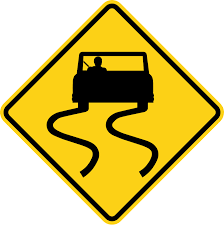
2. This sign means:
A. Slippery when wet.
B. Tow-away zone.
C. Steep downgrade.
D. Roadwork ahead.
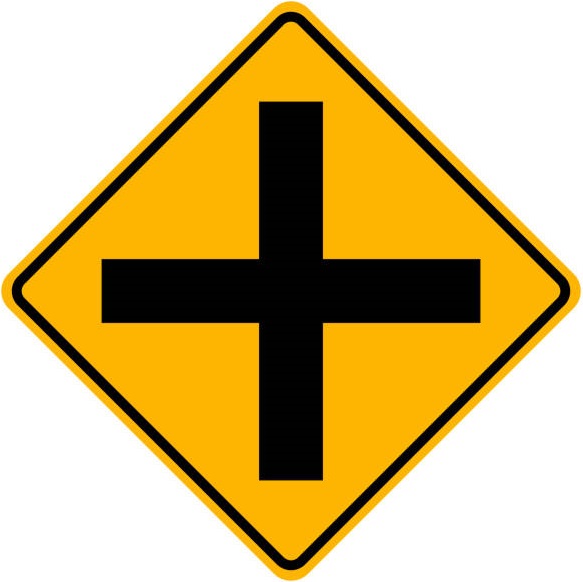
3. This road sign means:
A. Increase your speed.
B. Railroad crossing ahead.
C. Intersection ahead.
D. Four-way stop ahead.
4. A leaky exhaust system in your vehicle is dangerous because it can cause:
A. A loss of hearing.
B. Pollution.
C. Carbon monoxide poisoning.
D. Poor engine performance.
5. If you are driving near a motorcycle, you must:
A. Allow the motorcycle to use a complete lane.
B. Drive on the shoulder beside the motorcycle.
C. Allow the motorcycle to use only half of a lane.
D. Pass using the same lane as the motorcycle.
6. You are waiting to turn left at a multilane intersection and opposing traffic is blocking your view. You should:
A. Accelerate rapidly when the first lane you need to cross is clear.
B. Wait until you can see all the lanes you need to cross before going ahead with your turn.
C. Wait for an oncoming driver to wave you across the intersection.
D. Edge your car into each lane of opposing traffic as soon as it clears.
7. A dashed yellow line on a roadway indicates:
A. A speed zone.
B. A safe passing area.
C. A no passing zone.
D. A residential district.
8. To keep your vehicle from being struck from behind:
A. Drive a little faster than surrounding traffic to widen the gap between you and the vehicle behind you.
B. Brake harder than usual.
C. Keep pace with surrounding traffic.
D. Drive more slowly than surrounding traffic to maintain better control of your vehicle.
9. To help prevent crashes, you should:
A. Communicate with other road users.
B. Ignore other drivers on the road.
C. Drive only on side streets and back roads.
D. Avoid driving during rush hour.
10. You may drink alcoholic beverages in a vehicle on a public highway:
A. As long as you aren't driving.
B. If you are riding in the back seat.
C. If you are riding in the back of a pick-up truck.
D. Under no circumstances.
11. You are stopped at a railroad crossing where a train has just passed. You should:
A. Look and listen for another approaching train, then cross the tracks if they are clear.
B. Assume no other trains are approaching.
C. Quickly start to cross the tracks.
D. Wait 20 seconds before crossing the tracks.
12. Before passing another vehicle, you should signal:
A. Just before changing lanes.
B. At any time.
C. After changing lanes.
D. Early enough for others to know your plans.
13. If you stop along the road at night:
A. Turn off all your lights.
B. Use your parking lights only.
C. Use your headlights only.
D. Turn on your emergency flashers and leave your low beams turned on.
14. If you drive past your desired destination while in heavy traffic on a city street, you should:
A. Stop where you are.
B. Back up to where you should have stopped.
C. Signal and make a U-turn.
D. Drive around the block.
15. You must not drive your vehicle at a speed greater than:
A. The maximum speed limit.
B. A speed that is faster than is reasonable and prudent.
C. A speed that is safe for existing conditions.
D. All of the above.
16. You may not park:
A. On a hill.
B. In a parking lot.
C. On a crosswalk or in a marked bicycle lane.
D. Within 12 inches of the right side of the road.
17. Passing is prohibited:
A. On hills and curves.
B. At intersections.
C. At railroad crossings.
D. All of the above.
18. When a traffic signal light turns green, you should:
A. Yield the right-of-way to pedestrians.
B. Accelerate as quickly as possible.
C. Back up slowly.
D. Not move until another driver waves you on.
19. To safely drive after drinking alcohol, you should:
A. Wait a period of time.
B. Drink black coffee or another caffeinated beverage.
C. Take a cold shower.
D. None of these.
20. Which of the following does not happen after drinking?
A. Your reflexes and reaction time slow down.
B. Your judgement of speed and distance is distorted.
C. You are less alert.
D. You calm down and can concentrate better.