Dmv Permit Test 18

By Teacher David Global  •  Free

1. When approaching a person who is crossing the street while using a white cane or guide dog, you should:
A. Stop until the person is well away from your path of travel.
B. Honk your horn as you proceed past them.
C. Carefully drive around them.
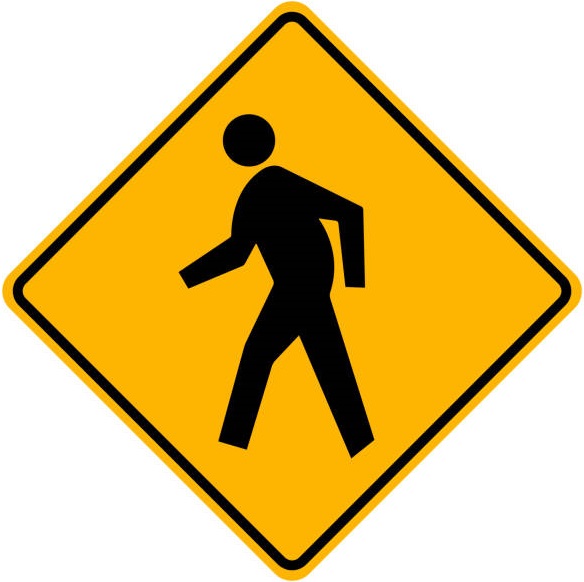
2. This road sign means:
A. Pedestrian crossing.
B. School crossing.
C. Jogging trail.
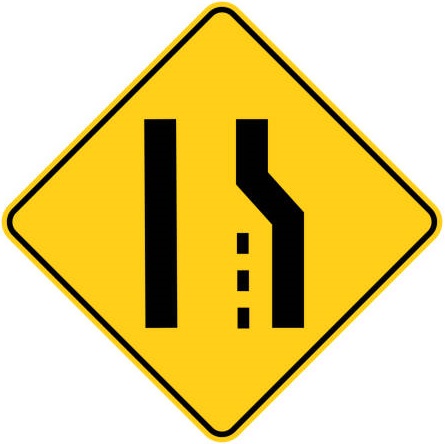
3. This sign means:
A. Merge right.
B. Divided highway begins.
C. Lane ends.
4. Which of these statements is true about driving and taking medications?
A. Most cold medications can make a person drowsy.
B. Over-the-counter medications cannot impair driving ability if taken in the recommended dosages.
C. Medications are safe to take at any time, if prescribed by a doctor.
5. To improve visibility lowered by rain or fog, drivers should use their:
A. Low beam headlights.
B. High beam headlights.
C. Parking lights.
6. When driving behind another vehicle at night, you should:
A. Keep your headlights on the low beam setting.
B. Use your high beam headlights until you are within 10 feet of the vehicle ahead.
C. Use your high beam headlights.
7. If you have trouble seeing other vehicles because of dust or smoke blowing across the roadway, you should drive more slowly and turn on your:
A. Emergency flashers.
B. Parking lights.
C. Headlights.
8. Winter driving is more dangerous than driving during other seasons because:
A. Road conditions can be affected by freezing temperatures, ice, snow, and fog.
B. There are increased hours of darkness.
C. Both of the above.
9. Sudden wind gusts on highways:
A. Generally affect only the movement of large vehicles.
B. Only cause visibility problems.
C. Can cause problems for all vehicles.
10. When a school bus is stopped on the road ahead to load or unload children, you must:
A. Come to a complete stop until all the children have left the bus.
B. Come to a complete stop until the red lights stop flashing and the stop arm is withdrawn.
C. Change lanes, drive slowly, and pass the bus cautiously.
11. The proper way to make a right turn is to:
A. Signal, slow down, and get into the lane closest to the centerline before turning.
B. Signal, slow down, and get into the lane closest to the right curb before turning.
C. Approach the corner in the lane nearest the right curb, but move over toward the middle of the street before turning.
12. A solid yellow line next to a broken yellow line means that vehicles:
A. Driving in both directions may pass.
B. Next to the broken line may pass.
C. Next to the solid line may pass.
13. Slowing down just to look at collisions or anything else out-of-the-ordinary:
A. Causes traffic congestion.
B. Prevents rear-end collisions.
C. Improves traffic flow by preventing collisions.
14. If your vehicle has a two-part safety belt system, you should:
A. Use only the lap belt.
B. Use both the lap and shoulder belts.
C. Use only the shoulder belt.
15. When a bicyclist is making a left turn:
A. They may use the left lane.
B. They may cut through all lanes.
C. They may wait on the side of the road.
16. When entering the interstate on a short entrance ramp where there is no acceleration lane, you should:
A. Immediately enter the far-right traffic lane on the interstate and speed up to match the flow of traffic.
B. Use the shoulder of the main road to get up to the speed of traffic.
C. Speed up and enter the interstate only after you have identified a gap in traffic.
17. Work zone barriers, drums, cones, and signs are used to:
A. Make drivers angry about slow traffic.
B. Inconvenience drivers.
C. Keep traffic out of hazardous work zones.
18. You want to park uphill on a two-way road and there is no curb. Which direction do you turn your front wheels?
A. Straight ahead
B. Right, toward the side of the road
C. Left, toward the center of the road
19. When stopped for a traffic violation or at an equipment check, a driver must produce:
A. Only their insurance and registration.
B. Only their license.
C. Their license, insurance, and registration.
20. On a freeway, you should look farther ahead than you would on a city street:
A. In order to see potential hazards early.
B. Because it takes a quarter of a mile to stop your vehicle completely.
C. Because it helps you keep up with traffic.
21. You are driving on a city street and see an emergency vehicle with flashing lights behind you. What should you do?
A. Drive to the right edge of the road and slow down.
B. Drive to the right edge of the road and stop.
C. Stay in your lane, slow down, and let it pass.
22. When should drivers yield the right-of-way to pedestrians in a crosswalk?
A. Only if the pedestrians first wave to the driver.
B. Only if the pedestrians are not texting while walking.
C. At all times.
23. When entering an interstate highway, you should:
A. Stop, check for cars, and enter when safe.
B. Check for cars and reduce your speed to 25 mph before entering the traffic lane.
C. Check for cars, increase your speed to match the flow of traffic, and merge when the way is clear.
24. Adjust your rearview and side mirrors:
A. Before you start driving.
B. Whenever you need to use them.
C. Before you get into the car.
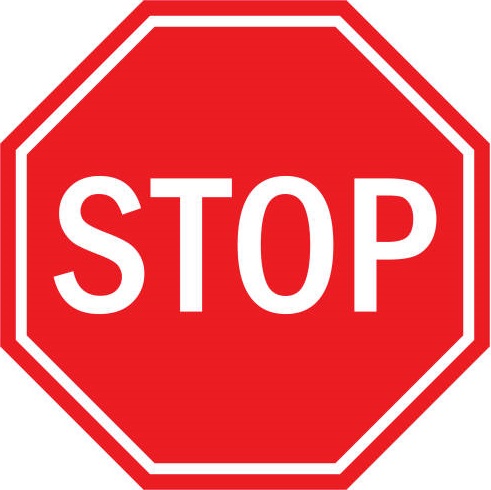
25. This sign means:
A. Stop.
B. Merge.
C. Upcoming change in direction.
26. A steady red arrow displayed on a traffic light means:
A. Drivers cannot turn in the indicated direction.
B. Drivers may turn in the indicated direction after coming to a complete stop.
C. Drivers may turn in the indicated direction.
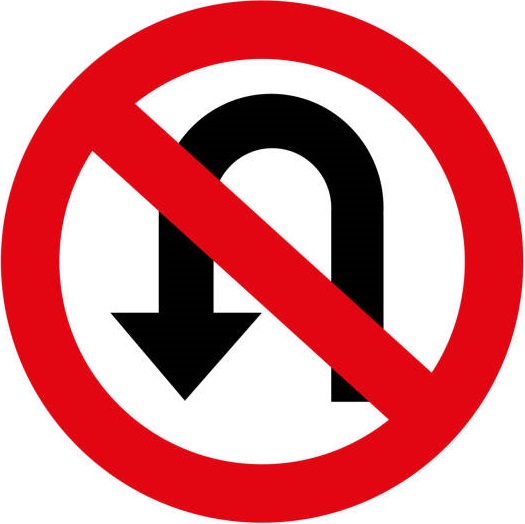
27. This road sign means:
A. Do not enter.
B. No parking.
C. No U-turn.
28. Before switching on the ignition, you should:
A. Buckle your safety belt.
B. Be sure all passengers have buckled their safety belts.
C. Both of the above.
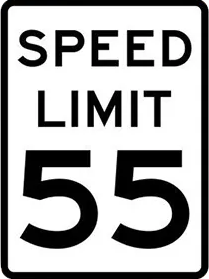
29. This road sign means:
A. You must travel through the intersection at the posted speed limit.
B. The maximum speed limit under ideal conditions is 55 mph.
C. You must not travel below the speed indicated.
30. When merging onto the freeway, you should be driving:
A. At or near the speed of the freeway traffic.
B. At the legal speed limit.
C. More slowly than the freeway traffic.
31. This sign means:
A. Road construction/maintenance area.
B. Side road.
C. Railroad ahead.
32. Roads with double solid yellow line markings down the center indicate that passing is:
A. Allowed from both directions.
B. Allowed only from your direction of travel.
C. Not allowed from either direction.
33. It is necessary to use your low beams any time you are:
A. On a lighted street.
B. On a freeway.
C. In fog.
34. When entering traffic after being parked at a curb, you:
A. Should drive more slowly than other traffic for 200 feet.
B. Should wait for a large enough gap to get up to the speed of traffic.
C. Should wait for the first two vehicles to pass, then drive into the lane.
35. When passing a row of parked vehicles, you should:
A. Be prepared for a person or vehicle to unexpectedly enter your lane.
B. Expect all other drivers and pedestrians to respect your right-of-way.
C. Drive closely to the parked vehicles to allow more room for moving traffic.
36. A large truck is ahead of you and is turning right onto a street with two lanes in each direction. The truck:
A. May complete its turn in either of the two lanes.
B. May have to swing wide to complete the right turn.
C. Must stay in the right lane at all times while turning.
37. A driver should:
A. Stare directly in front of their car.
B. Only focus on the middle of the road.
C. Watch beside, ahead, and to the rear of their car.
38. "No zones" are areas around trucks where cars:
A. Disappear into blind spots or are so close that they restrict the truck driver's ability to stop and maneuver safely.
B. Have sufficient space to travel behind the truck.
C. Have several car lengths between their vehicle and the truck.
39. When driving in fog, you should:
A. Use your high beam headlights.
B. Use your parking lights.
C. Use your low beam headlights.
40. Your license can be suspended if you are under 21 and drive with a blood alcohol level of:
A. 0.15 percent or more.
B. 0.08 percent or more.
C. Any amount.