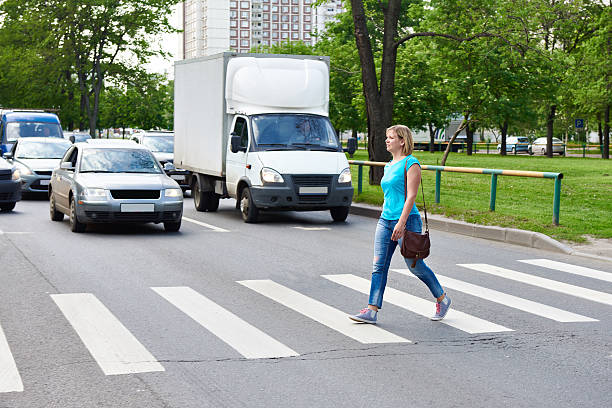
Safety For Pedestrians
Everyone is a pedestrian at some point, and drivers must always exercise care, patience, and awareness when sharing the road with people on foot.
Treat pedestrians with respect: Drive as you would want others to drive if you were on foot.
Exercise extra caution for vulnerable pedestrians:
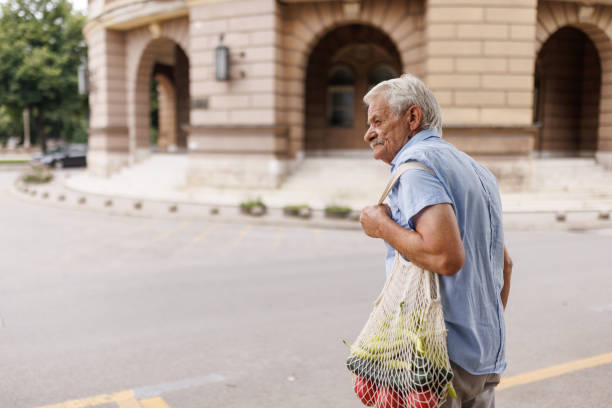
Seniors and disabled people may have limited vision, hearing, or mobility, making it harder for them to move quickly out of the way of hazards.
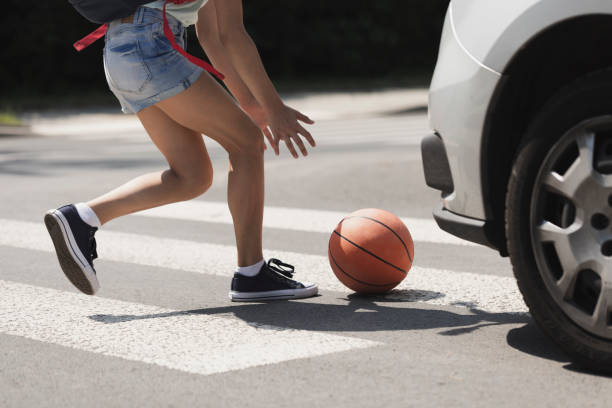
Children are unpredictable and may run into the street unexpectedly; slow down near sidewalks, schools, and playgrounds.
Impaired pedestrians (e.g., intoxicated or distracted) may be unaware of traffic; give them a wide berth.
RIGHT-OF-WAY RULES
Pedestrians always have the right-of-way at intersections, whether or not crosswalks are marked.
Wait until pedestrians have fully crossed before proceeding.
In areas with many pedestrians, reduce speed and be ready to stop at any time.
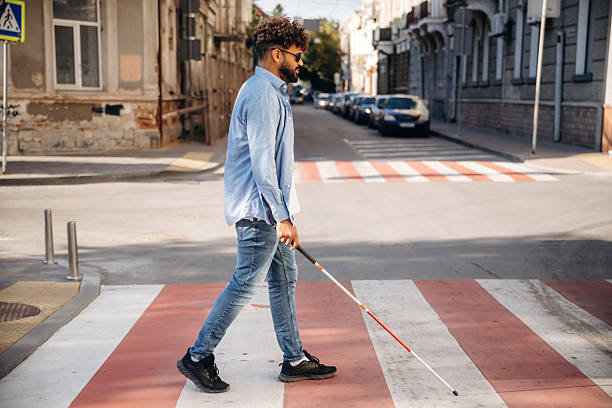
Pedestrians with white canes or assistance dogs must always be given the right-of-way.
Pedestrians have the right-of-way on sidewalks and at driveway crossings; always stop and check both directions.
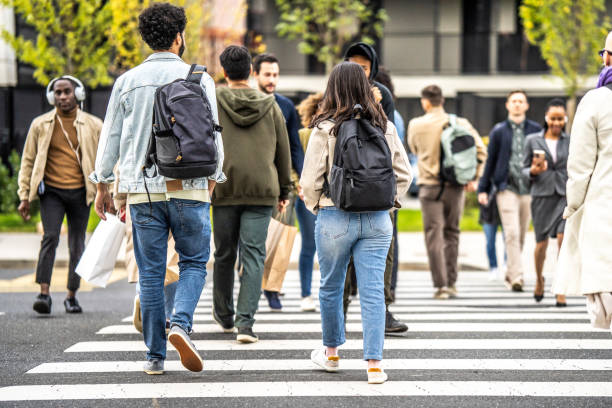
Turning corners: Check for pedestrians crossing both the street you are on and the street you are turning into.
Stopped vehicles at crosswalks: Do not pass a vehicle that has stopped, as a pedestrian may be hidden from view.
Be alert at driveways: Always stop and look for pedestrians before crossing sidewalks.
Pedestrians are the most vulnerable road users.
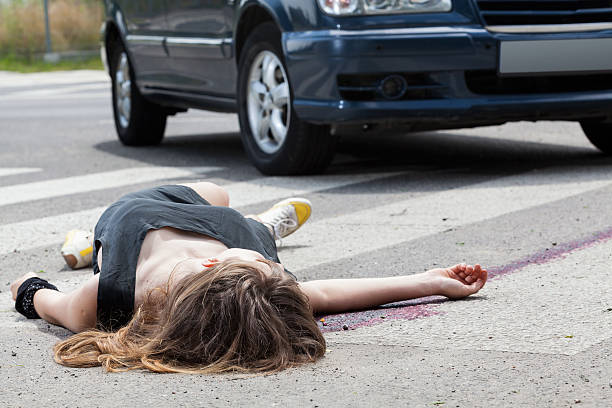
Drive slowly, stay alert, and always yield the right-of-way to anyone on foot to prevent accidents and save lives.