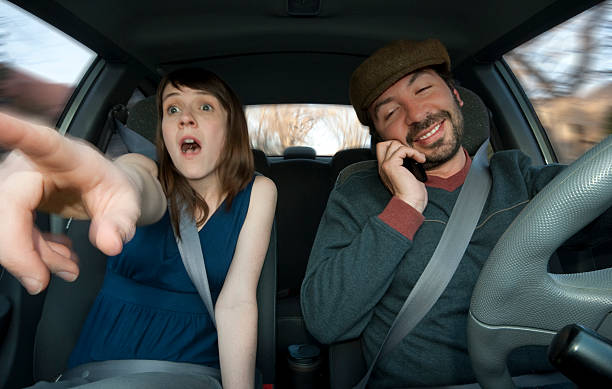
How People Affect Road Safety
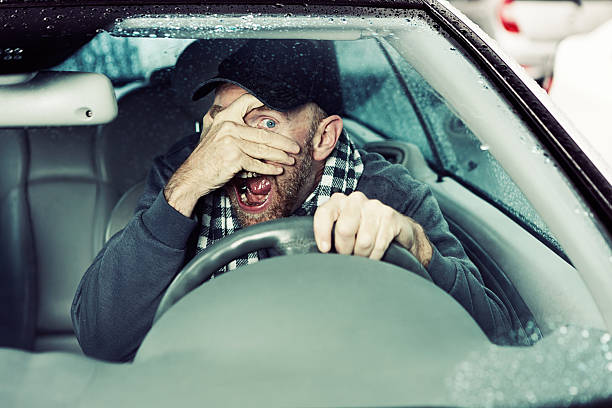
WATCHING CAREFULLY
Always pay attention to your surroundings when walking, cycling, riding, or driving.
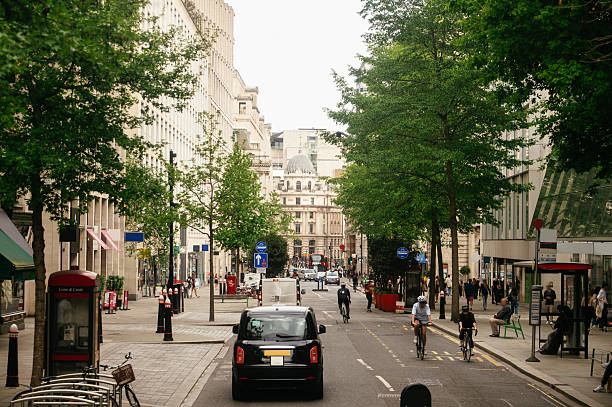
Most accidents can be avoided if road users remain alert and cautious.
Being alert and observant is one of the most important skills for safe road use.
Every road user: drivers, pedestrians, cyclists, and motorcyclists must stay aware of what’s happening around them at all times.

Look far ahead to spot potential hazards early (vehicles, obstacles, bends, animals, or pedestrians).
Avoid focusing too closely on the vehicle in front.
This limits reaction time.
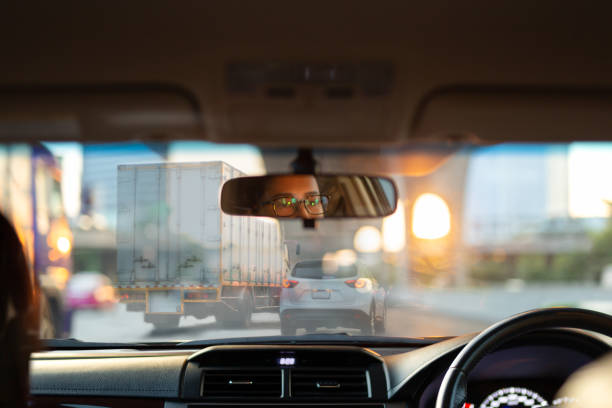
Scan both sides of the road and check mirrors regularly.
Observe the behavior of drivers, riders, cyclists, and pedestrians.
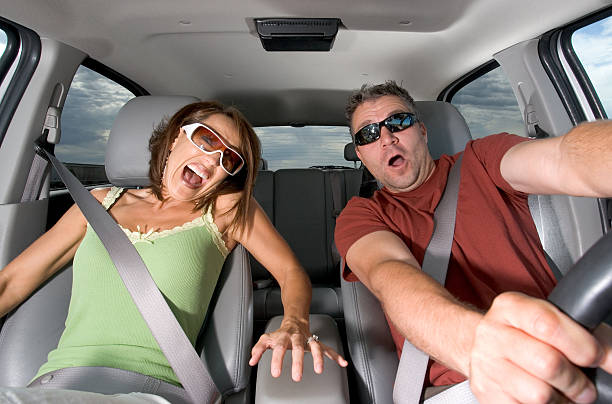
Expect mistakes from others: anticipate sudden stops, turns, or lane changes.
Maintain a safe following distance in case others act unexpectedly.
WATCH FOR PEDESTRIANS
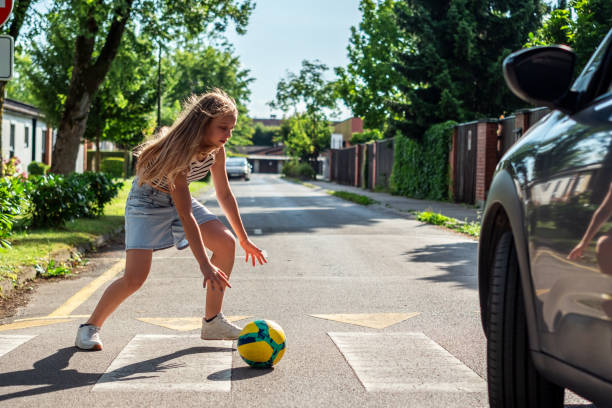
Slow down near crossings, schools, bus stops, and residential areas.
Be alert for children, the elderly, or people with disabilities who may move unpredictably.
Always yield to pedestrians at zebra crossings.
WATCH FOR MOTORCYCLISTS AND CYCLISTS
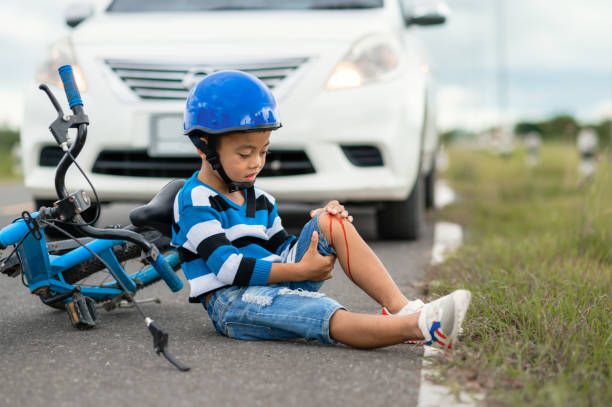
They are smaller and harder to see, especially in blind spots.
Check mirrors and blind spots before turning or changing lanes.
Give them enough space, do not overtake too closely.
WATCH ROAD SIGNS AND SIGNALS
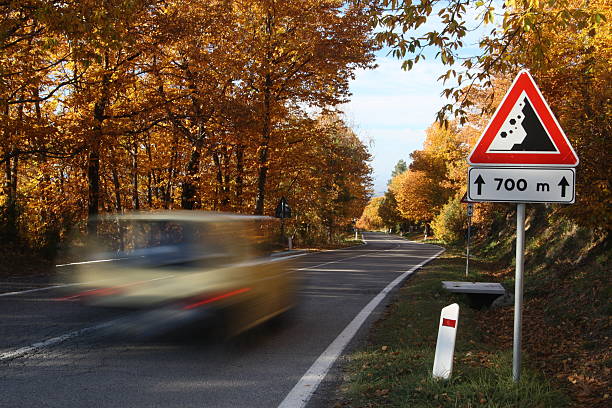
Obey all traffic signs, signals, and markings.
Watch for temporary signs in construction zones or detours.
Traffic lights and warning signs help prevent accidents if followed carefully.
WATCH FOR CHANGING CONDITIONS
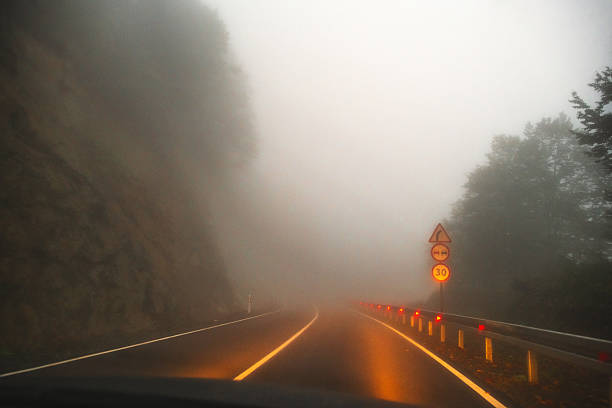
Be alert for rain, fog, or poor lighting that reduces visibility.
Adjust your speed and increase following distance.
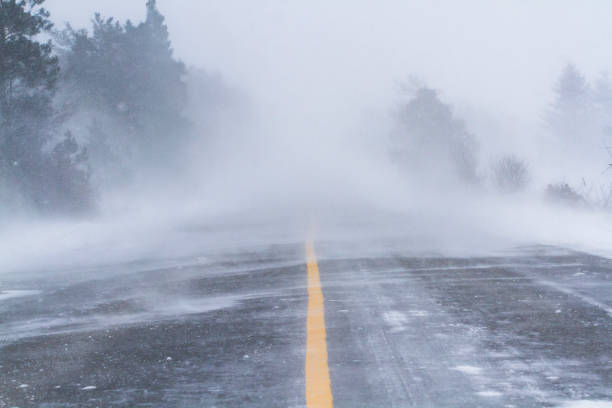
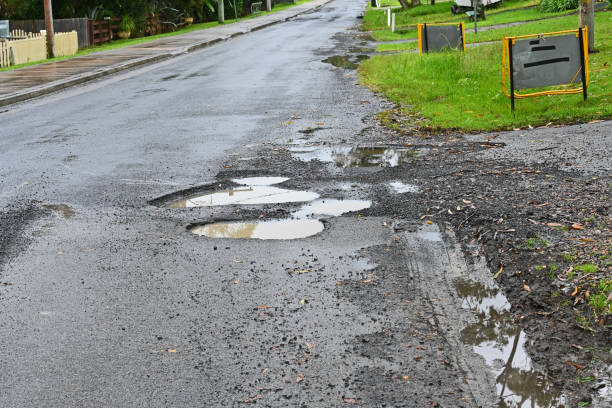
Watch out for slippery roads, sharp bends, and uneven surfaces.
WATCH YOURSELF
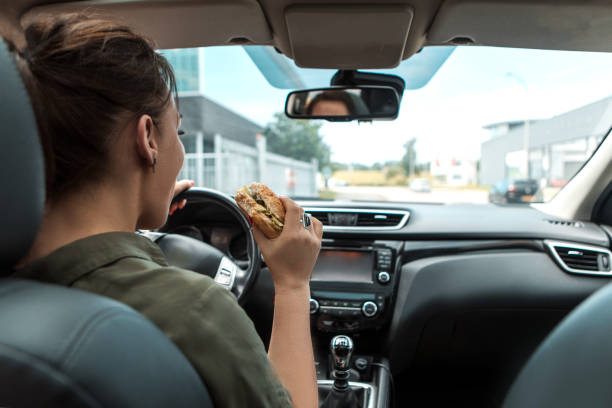
Avoid distractions (phones, eating, loud music, etc.).

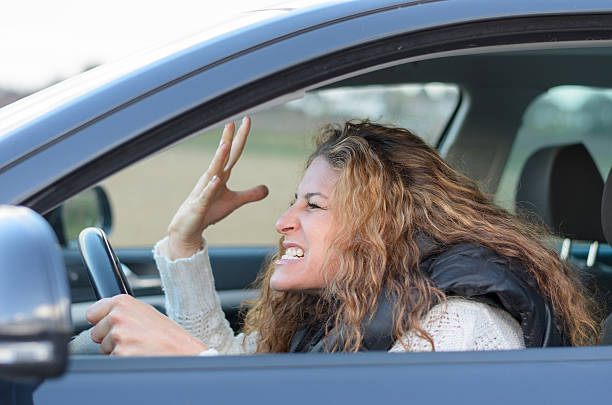
Stay calm and patient even in traffic jams.
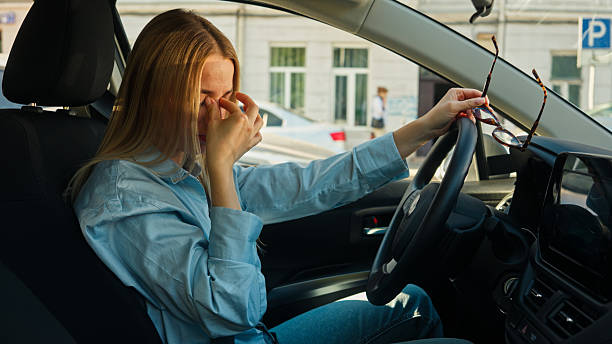
Rest if you feel tired, fatigue affects observation and judgment.
“The more you see, the more time you have to react and the safer you’ll be.”
HOW TO WATCH THE ROAD CAREFULLY
Keep your eyes moving: scan the road ahead, behind, and to the sides. Don’t fix your eyes on one spot.
Check your mirrors often: rear-view and side mirrors help you stay aware of vehicles behind or beside you.
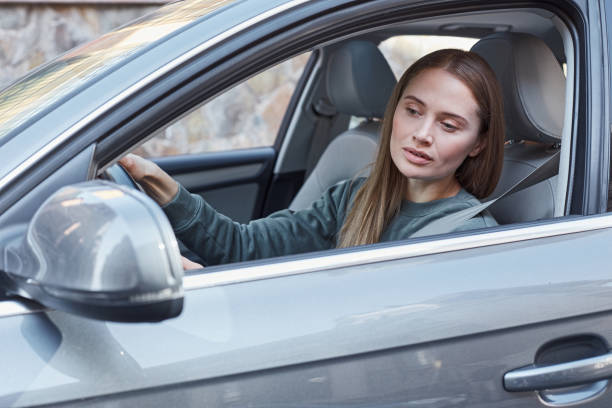
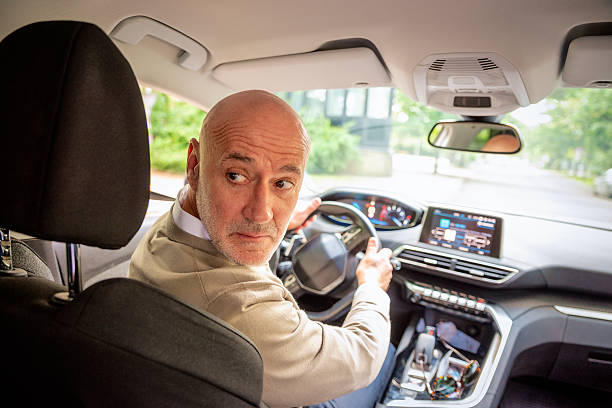
Glance over your shoulder: (blind spot check) before changing lanes or turning.
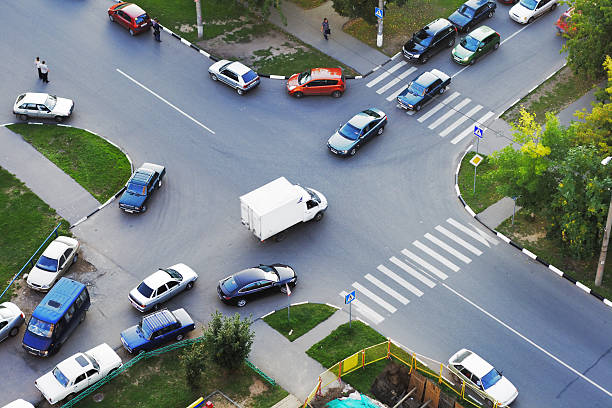
Look both ways at intersections: even when you have the right of way.
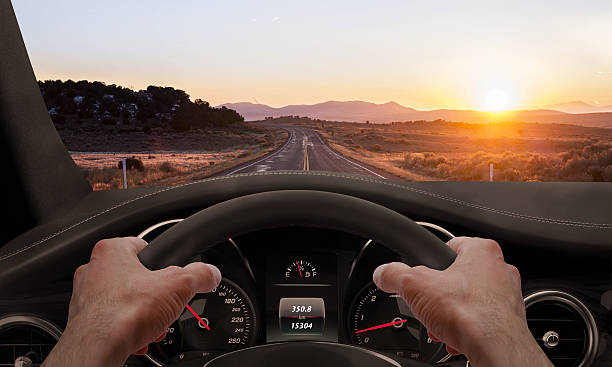
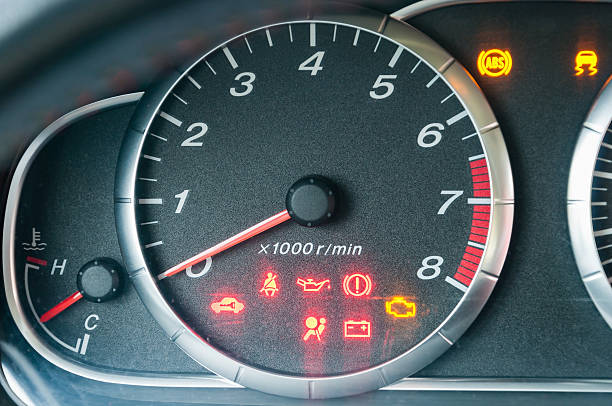
Check your vehicle instruments: (speedometer, fuel, temperature, and warning lights) to ensure everything is functioning properly.
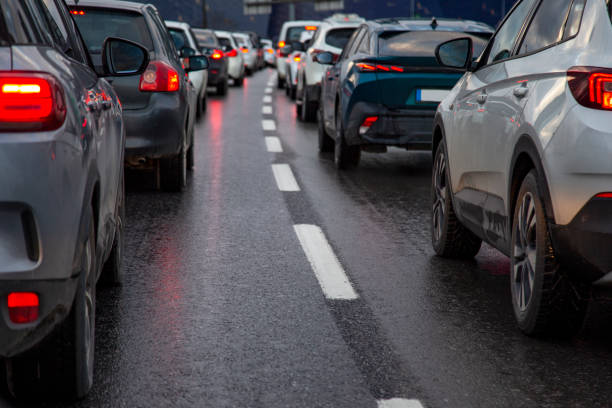
Watch for signals from other drivers: brake lights, indicators, and hand signals.
Make sure other road users can see you: use your lights, indicators, and horn when needed.
Be alert near parked vehicles: doors may open suddenly or people may step out.
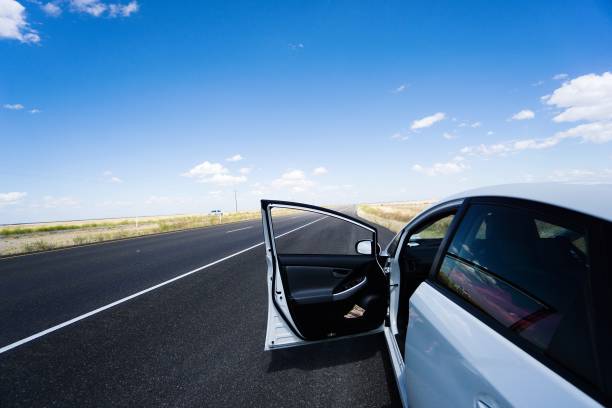
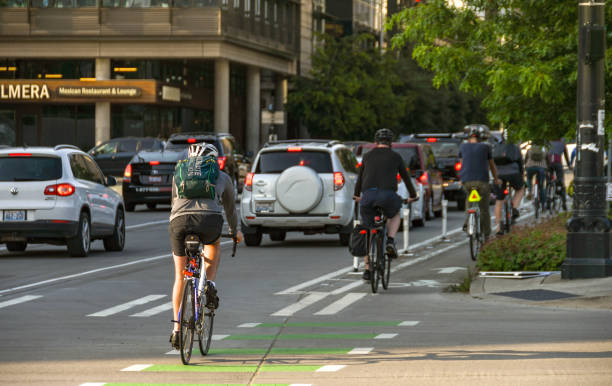
Watch for cyclists, motorcyclists, and pedestrians: they are smaller and harder to see.
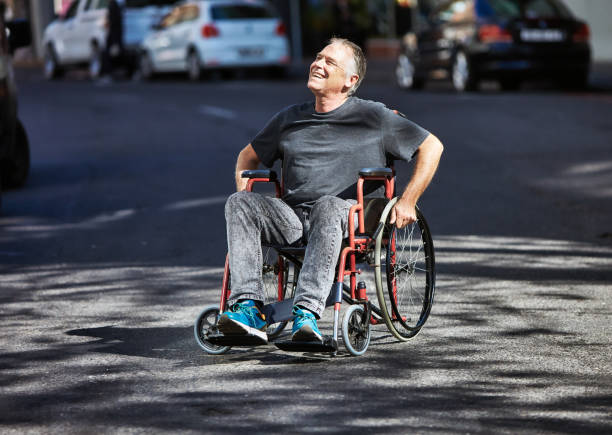
Give extra attention to vulnerable users: children, the elderly, and persons with disabilities.
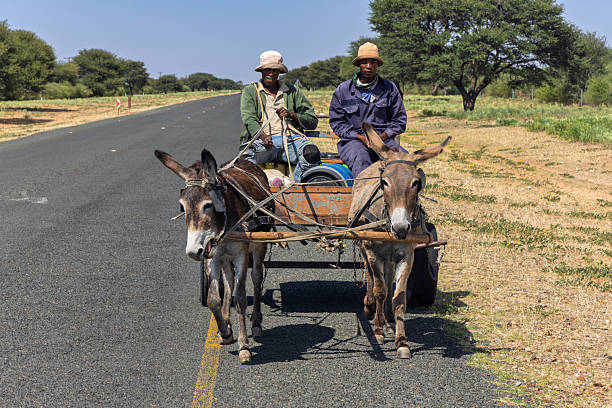
Watch users of non-motorized transport: horses, donkey carts, handcarts, bicycles, and wheelchairs.
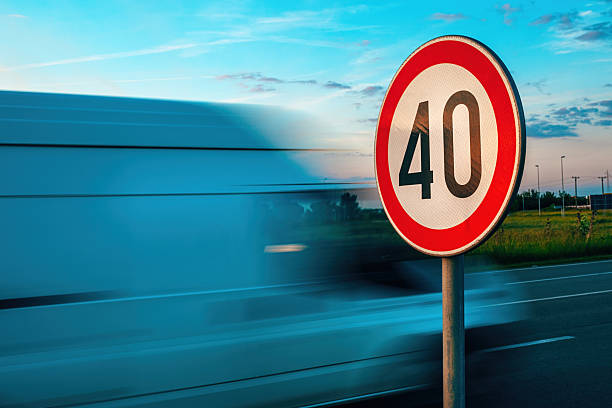
Observe traffic signs and road markings: they give important safety instructions.
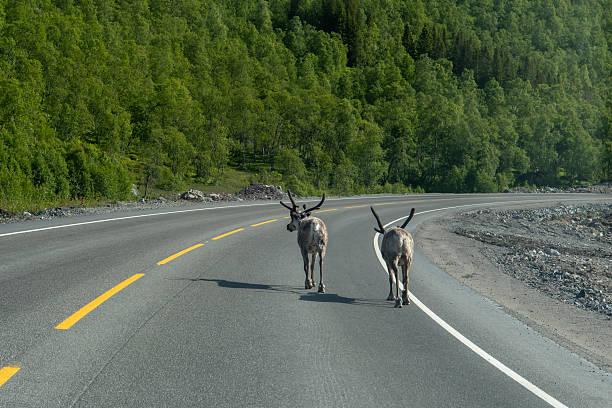
Be alert for animals crossing the road: especially in rural or forested areas.
Slow down near junctions, bends, or hilltops: where visibility is limited.
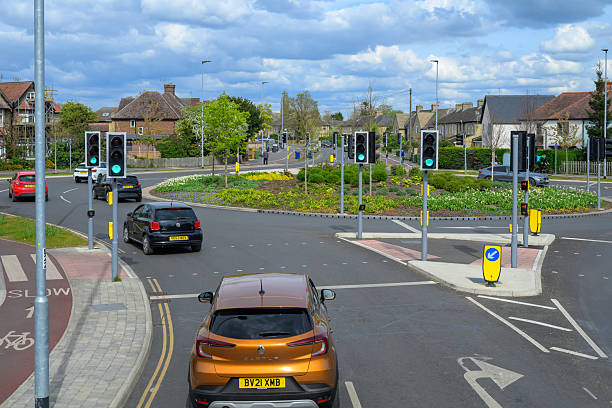
Pay attention to road surfaces: watch for potholes, loose gravel, or oil spills.

Adjust your view when the sun is bright or when it rains: to maintain clear visibility.
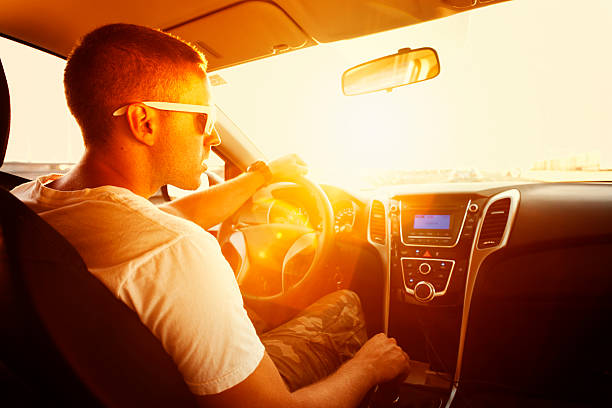
Avoid distractions: don’t use your phone, eat, or reach for objects while driving.
Use headlights at dawn, dusk, or during poor weather: so others can see you.
Always expect the unexpected: other drivers may make sudden moves or mistakes.
“Good drivers don’t just look, they see, think, and plan ahead.”
HEALTH AND SAFETY
Good health and safety habits help drivers stay alert, prevent accidents, and protect everyone on the road.
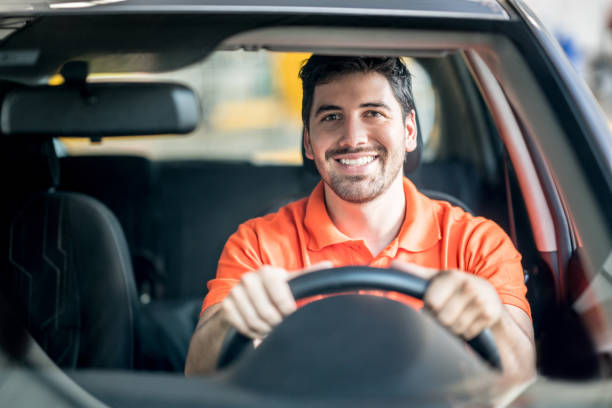
A safe driver must take care of both the vehicle and their own well-being.

A healthy driver is a safe driver.
Always ensure you are physically and mentally fit before driving.
DO THE FOLLOWING
Get enough rest and sleep before long trips.

Avoid driving when sick, tired, stressed, or angry.
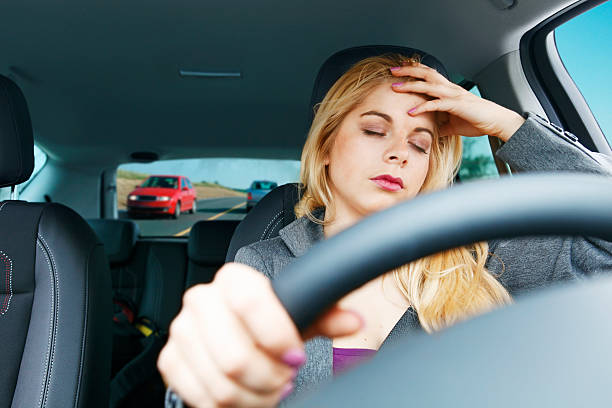
Eat light meals before driving; avoid heavy or greasy food that can cause drowsiness.
Vegetables & Legumes
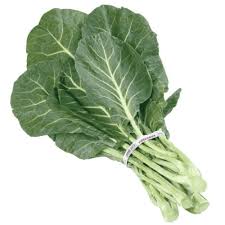
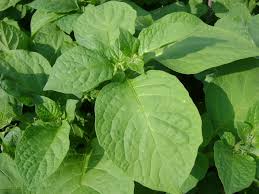
Sukuma Wiki/Terere/Managu: Sautéed or boiled with minimal oil, garlic, and tomatoes; rich in fiber and nutrients.

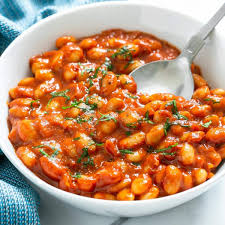
Beans (Maharagwe): High in protein and fiber, great with brown rice or ugali.
Matoke (Green Bananas): Steamed or boiled, served with a light vegetable stew.

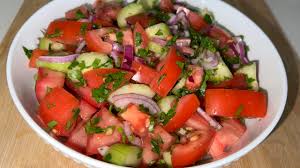
Kachumbari: A fresh tomato, onion, and chili salad.
Grains & Porridges
Uji: Millet or sorghum porridge, request unsweetened for a light start.

Brown Ugali/Brown Rice: Healthier alternatives to white versions, offering more fiber.

Fruits & Drinks
Fresh Fruits: Mangoes, papayas, passion fruit, bananas.

Madafu: Fresh coconut water for electrolytes.

Herbal Teas: Hibiscus, moringa for antioxidants.

Proteins (Lighter Options)
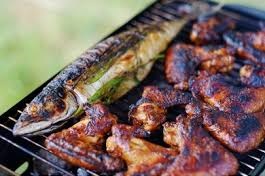
Grilled Fish/Chicken: Simple preparations with spices.
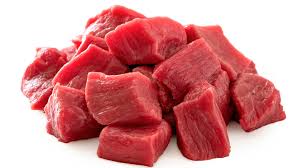
Lean Meats: In moderation, paired with plenty of greens.
How to Keep it Light
Ask for less oil: When ordering cooked vegetables or curries.
Focus on whole foods: Prioritize plant-based meals.
Control portions: Especially with staples like ugali.
Stay hydrated: drink enough water to remain alert.

Have your eyesight checked regularly, Good vision is vital for spotting hazards early.
Avoid alcohol, drugs, or medication that affect concentration or reaction time.

Manage stress: stay calm and patient, even in traffic jams.

DON’T DO THE FOLLOWING
Drive when feeling dizzy or sleepy.
Take medicines that cause drowsiness before driving.
Ignore signs of fatigue or illness.