Introduction To Driving For Beginners
Driving is more than just controlling a vehicle, it is about staying safe, protecting others, and being responsible on the road.
It can be defined as the act of operating a motor vehicle on the road in a safe manner, without causing accidents or collisions.
This guide will help you learn everything you need to know to become a skilled and responsible driver.
Cars and other vehicles play an important role in our daily lives because they help transport people and goods from one place to another.
The purpose of driver training is to give you the knowledge and skills needed to control your vehicle safely and to behave correctly on the road.
Most traffic accidents occur due to human error.
These accidents can be avoided if the driver is well-trained and prepared.
This training will also help you learn the skills needed to transport passengers and goods safely and efficiently.
Driver: A person who has undergone training on how to handle a motor vehicle safely on the road, without causing accidents or collisions.
He or she must possess a valid driving licence.
WHAT WE TEACH OUR STUDENTS FOR EXCELLENCY
We train students in a professional manner, monitoring each student’s progress and encouraging them to practice the skills taught by the instructor.
Students are guided to anticipate potential dangers.
For instance, if a student is about to make a left turn at a two-way stop and an oncoming vehicle is approaching at high speed, they are advised to wait and confirm whether the vehicle will stop before proceeding.
We assist students in practicing difficult maneuvers.
If merging into traffic is challenging, we use quiet roads for practice until the student gains confidence.
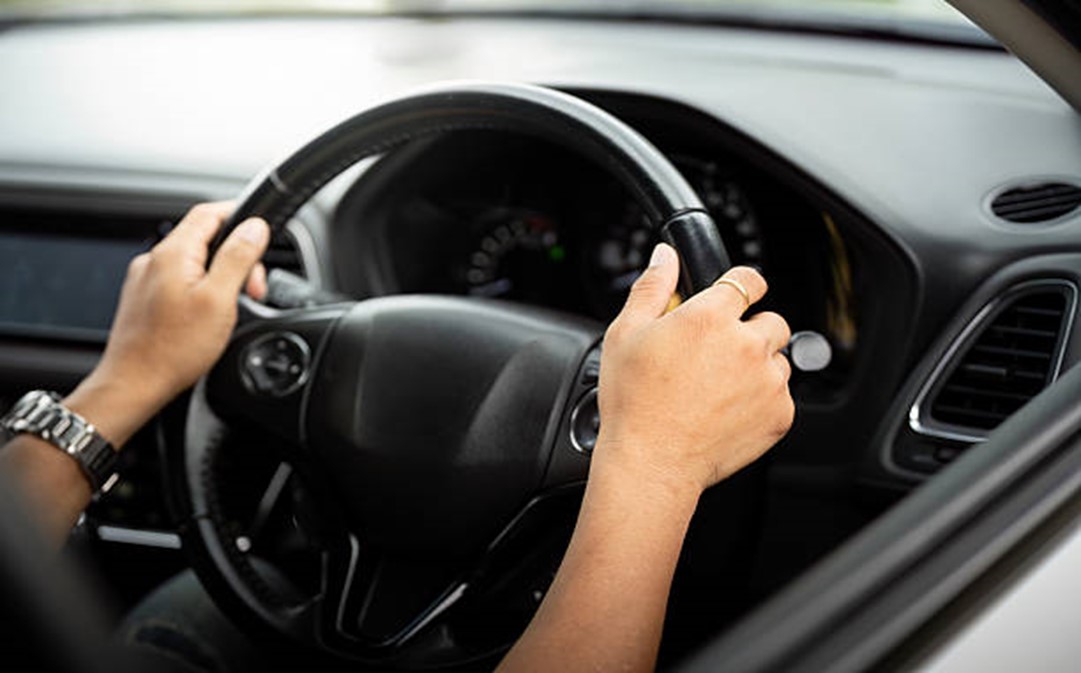
Students are taught to maintain a safe following distance using the four-second rule and are reminded to adjust this distance according to speed and traffic conditions.
Awareness of blind spots is emphasized. Students learn to identify their own blind spots and those of other drivers, and to adjust speed or position to remain visible.
The importance of wearing safety belts is highlighted, including how seat belts prevent serious injuries during highway crashes.
Students are trained in proper collision response, following recommended steps from insurance companies to ensure safety and accountability.
Carrying essential documents, such as a valid driver’s license, insurance certificate, and vehicle registration, is reinforced as a daily responsibility for drivers.
Students learn proper behavior during police stops, including respectful communication and cooperation.
A positive attitude behind the wheel is emphasized, with the understanding that safety is a shared responsibility and careful judgment improves road decisions.
Finally, we set a good example through our courteous driving, because children learn attitude and judgment from their parents, and learning to drive begins long before obtaining a learner’s permit.
WHAT WE LEARN IN THEORY CLASS
Model Town Board (M.T.B.)
M – Model / Modern
T – Town / Traffic / Theory
B – Board
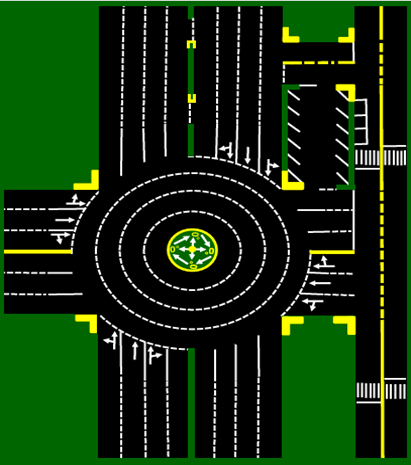
Road Signs: Covers Warning Signs, Regulatory Signs, and Informative Signs.
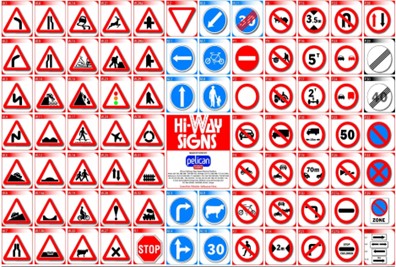
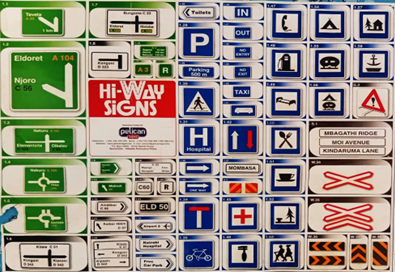
General Knowledge: Includes information such as the topics you are reading in this book.
Practical notes and discussions: We write notes and discuss together the reasons behind good and bad actions on the road to improve understanding and judgment


CAUSES OF ACCIDENTS
Over-speeding – Driving faster than the safe or legal speed limit.
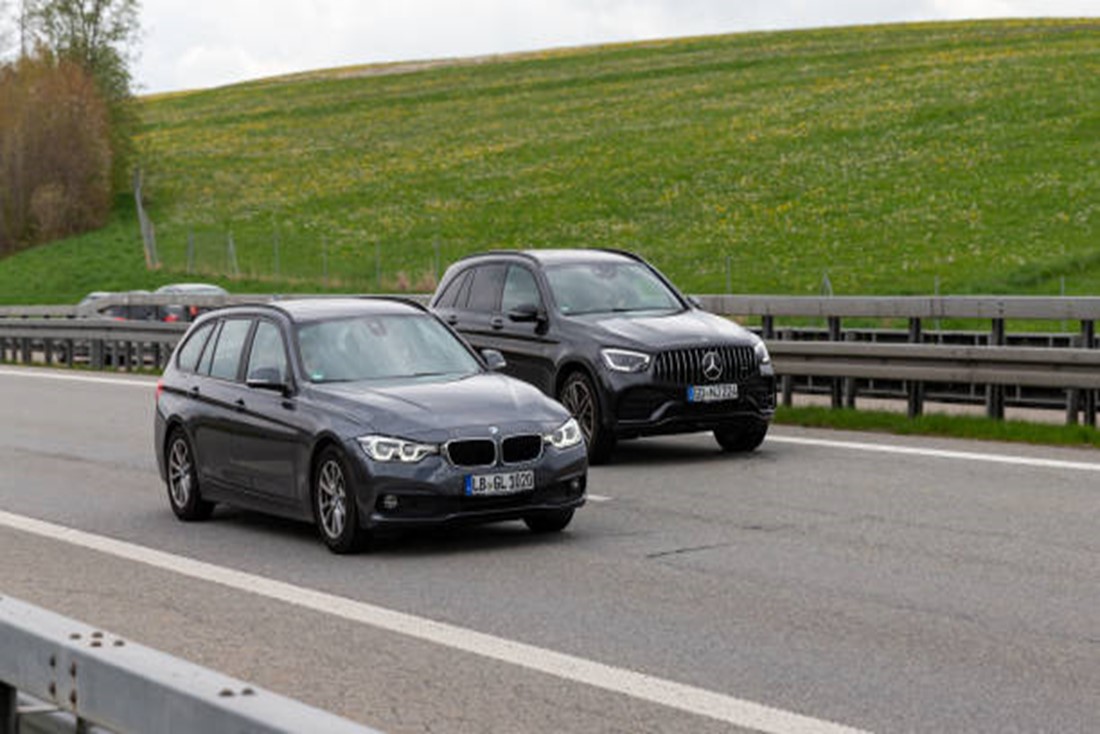
Overlapping – Driving too close to another vehicle or encroaching into its lane.
Overloading – Carrying passengers or goods beyond the vehicle’s capacity.
Unsafe overtaking – Passing other vehicles in dangerous situations.
Poor road conditions – Potholes, uneven surfaces, or poorly maintained roads.
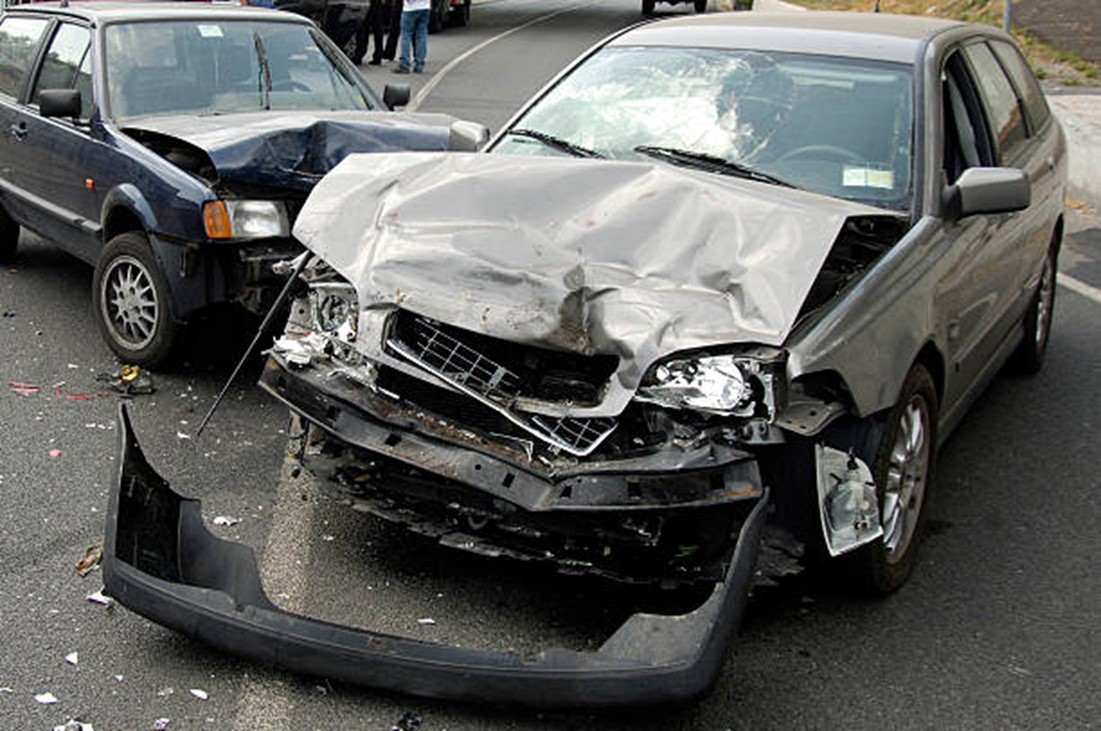
Adverse weather conditions – Fog, dust, mist, heavy rainfall, or slippery roads.
Use of drugs or alcohol – Whether prescribed or not, impairing judgment and reflexes.
Driving non-roadworthy vehicles – Vehicles that are mechanically unsafe or not properly maintained.
Ignorance of traffic rules and signs – Not knowing or ignoring laws and regulations.
Careless driving – Negligence, reckless behavior, or lack of attention.
Emotional factors / stress – Anger, anxiety, or other emotions affecting driving.
Distractions – Use of handheld devices,
ROAD RULES AND LAWS
Purpose of Road Rules: Roads have rules and laws to keep everyone safe and organized.
Source of Rules: These rules come from international, regional, and Kenyan law.
Responsibility of Road Users: As a road user, it is your responsibility to know and follow these rules to protect yourself and others.
Key Documents: The main documents containing these rules are:
- The Traffic Act
- The Highway Code