UK DVSA Theory Test UK
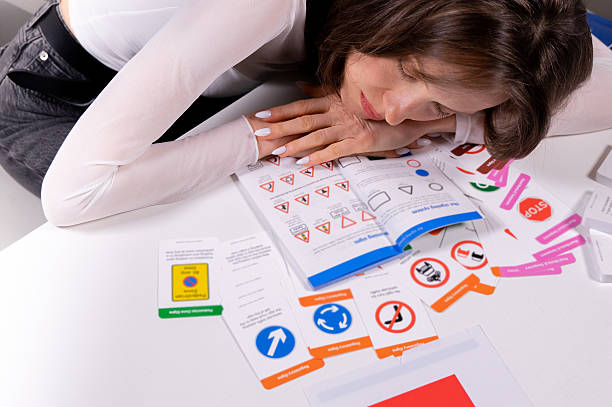
Dvsa Theory Test 54
- 1. What should you do when your vehicle’s oil pressure warning light comes on?
A. Continue driving
B. Increase speed
C. Stop safely and switch off engine immediately
D. Ignore it - 2. What does a triangular sign with a traffic queue symbol mean?
A. Parking area
B. Bus stop ahead
C. Queues or congestion ahead
D. Roundabout ahead - 3. What should you do when approaching a pedestrian crossing in bright sunlight glare?
A. Speed up
B. Overtake
C. Slow down and be ready to stop
D. Flash headlights - 4. What is the safest action when your vehicle starts to aquaplane?
A. Brake hard
B. Turn sharply
C. Ease off accelerator and steer straight until grip returns
D. Accelerate - 5. What does a red circular sign with a motorcycle symbol mean?
A. Motorcycle lane
B. Motorcycle parking
C. No motorcycles allowed
D. Motorcycle route ahead - 6. What should you do if your vehicle loses power while driving uphill?
A. Continue normally
B. Speed up
C. Pull over safely and stop vehicle
D. Turn off lights - 7. What is the purpose of rear-view mirrors?
A. Increase speed
B. Eliminate blind spots completely
C. Monitor traffic behind you
D. Reduce fuel use - 8. What should you do when approaching a sharp bend with loose gravel?
A. Speed up
B. Brake inside the bend
C. Slow down before entering the bend
D. Overtake - 9. What does a blue circular sign with a straight arrow indicate?
A. Optional direction
B. Warning
C. You must go straight ahead
D. Parking allowed - 10. What should you do when clutch begins to fail while driving?
A. Ignore it
B. Continue driving
C. Stop safely as soon as possible
D. Increase speed - 11. What is the danger of uneven tyre wear?
A. Better grip
B. Fuel saving
C. Poor stability and longer stopping distance
D. Faster acceleration - 12. What should you do when another driver suddenly changes lanes in front of you?
A. Tailgate
B. Brake harshly
C. Maintain safe following distance
D. Flash headlights aggressively - 13. What does a flashing red light at a railway crossing mean?
A. Proceed carefully
B. Speed up
C. Stop until light stops flashing
D. Reverse - 14. What should you do when approaching a roundabout in fog?
A. Enter quickly
B. Ignore rules
C. Slow down and check traffic carefully
D. Stop in middle - 15. What is the purpose of traction control?
A. Increase speed
B. Improve fuel use
C. Prevent wheel spin on slippery roads
D. Steering assistance - 16. What should you do when animals suddenly appear on a road?
A. Honk and continue
B. Speed up
C. Slow down and stop if necessary
D. Flash high beams - 17. What does a broken white centre line mean?
A. No overtaking
B. Stop required
C. Overtaking allowed if safe
D. Parking zone - 18. What should you do when brake pedal feels weak or spongy?
A. Continue driving
B. Ignore it
C. Stop and check brakes immediately
D. Speed up - 19. What is the safest action when approaching a junction in fog?
A. Speed up
B. Ignore traffic
C. Slow down and use dipped headlights
D. Overtake - 20. What does a triangular sign with slippery surface mean?
A. Parking zone
B. Speed limit
C. Slippery road ahead
D. Bus stop - 21. What should you do when following a slow vehicle uphill?
A. Tailgate
B. Overtake blindly
C. Wait for a safe overtaking opportunity
D. Honk continuously - 22. What is the purpose of engine coolant?
A. Increase speed
B. Improve braking
C. Prevent engine overheating
D. Fuel saving - 23. What should you do when visibility suddenly reduces due to fog?
A. Speed up
B. Continue normally
C. Slow down and switch on fog lights
D. Overtake traffic - 24. What does a green traffic light mean?
A. Stop
B. Prepare to stop
C. Proceed if safe
D. Reverse - 25. What should you do when ABS warning light stays on?
A. Ignore it
B. Continue driving fast
C. Have system checked soon
D. Turn off engine while moving - 26. What is the purpose of road studs (cat’s eyes)?
A. Decoration
B. Fuel saving
C. Improve lane visibility at night
D. Speed control - 27. What should you do when approaching a pedestrian with a guide dog?
A. Honk
B. Speed up
C. Stop and allow them to cross safely
D. Swerve around - 28. What does a red X above a motorway lane mean?
A. Lane open
B. Overtaking allowed
C. Lane closed, do not use it
D. Parking allowed - 29. What should you do when tyre pressure warning light appears?
A. Ignore it
B. Continue driving fast
C. Check and adjust tyre pressure soon
D. Deflate tyres completely - 30. What is the purpose of pedestrian refuge islands?
A. Parking zone
B. Speed bump
C. Safe waiting point for pedestrians crossing
D. Bus stop - 31. What should you do when approaching a school crossing patrol?
A. Ignore instructions
B. Speed up
C. Stop when signaled
D. Overtake pedestrians - 32. What does a continuous red line at the curb mean?
A. Parking allowed
B. Loading only
C. No stopping at any time
D. Taxi rank - 33. What should you do when another driver is tailgating you?
A. Brake suddenly
B. Speed up aggressively
C. Maintain steady speed and let them pass safely
D. Block them - 34. What is the purpose of crumple zones?
A. Increase speed
B. Improve comfort
C. Absorb impact energy in a crash
D. Reduce fuel consumption - 35. What should you do when approaching fog on a motorway?
A. Use high beam
B. Speed up
C. Slow down and use dipped lights or fog lights
D. Overtake - 36. What does a dashed white centre line indicate?
A. No overtaking
B. Stop required
C. Overtaking allowed if safe
D. Parking only - 37. What should you do when feeling tired while driving?
A. Drink coffee and continue
B. Open window only
C. Stop and rest immediately
D. Speed up - 38. What is the safest way to reverse into a parking bay?
A. Quickly without checking
B. Mirrors only
C. Check surroundings and reverse slowly when safe
D. Honk and reverse - 39. What does a triangular sign with falling rocks indicate?
A. Parking zone
B. Roadworks
C. Rockfall hazard ahead
D. Speed limit - 40. What should you do when approaching a busy pedestrian area?
A. Speed up
B. Ignore pedestrians
C. Drive slowly and be ready to stop
D. Overtake - 41. What is the purpose of seatbelts?
A. Comfort
B. Style
C. Protect occupants in a crash
D. Speed control - 42. What should you do when your vehicle overheats in traffic?
A. Continue driving
B. Speed up
C. Stop safely and allow engine to cool
D. Turn heater on max - 43. What does a flashing amber pedestrian signal mean?
A. Stop immediately
B. Ignore pedestrians
C. Proceed carefully and give way if needed
D. Reverse - 44. What should you do when approaching a railway crossing without barriers?
A. Speed up
B. Ignore
C. Stop, look and listen before crossing
D. Overtake - 45. What is the risk of coasting downhill in neutral?
A. Fuel saving
B. Better control
C. Loss of braking control and reduced safety
D. Faster travel - 46. What does a blue circular sign indicate?
A. Warning
B. Advice
C. Mandatory instruction
D. Parking allowed - 47. What should you do when another vehicle suddenly enters your lane?
A. Brake harshly
B. Honk aggressively
C. Maintain safe distance and stay calm
D. Follow closely - 48. What is the safest action when approaching a flooded road?
A. Drive fast
B. Ignore depth
C. Avoid or proceed slowly if safe
D. Brake suddenly - 49. What does a warning triangle placed behind a broken-down vehicle mean?
A. Parking zone
B. Speed limit
C. Warns other drivers of hazard ahead
D. Direction marker - 50. What is the most important principle of safe driving?
A. Speed efficiency
B. Road dominance
C. Safety and awareness of all road users
D. Vehicle size