UK DVSA Theory Test UK
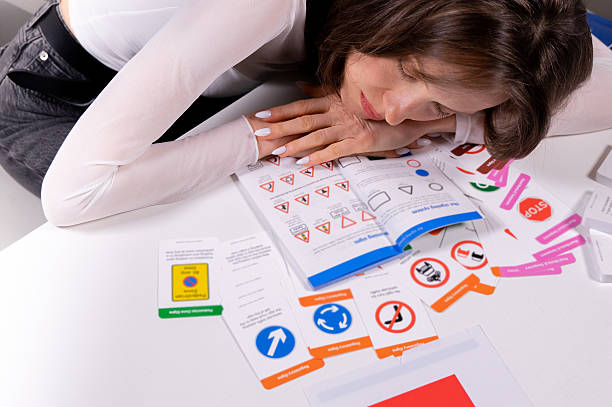
Dvsa Theory Test 48
- 1. What should you do when your vehicle’s engine management warning light comes on?
A. Ignore it
B. Continue driving normally
C. Have the engine checked as soon as possible
D. Increase speed - 2. What does a triangular sign with a road narrowing symbol mean?
A. Parking area
B. Speed zone
C. Road narrows ahead
D. Bus stop - 3. What should you do when approaching a pedestrian crossing in heavy traffic?
A. Force your way through
B. Overtake vehicles
C. Wait patiently and be prepared to stop
D. Honk continuously - 4. What is the safest action when your car begins to skid on a wet road?
A. Brake hard
B. Turn sharply
C. Ease off accelerator and steer gently in direction of skid
D. Accelerate - 5. What does a red circular sign with a truck symbol mean?
A. Truck parking allowed
B. Loading zone
C. No goods vehicles allowed
D. Truck route - 6. What should you do when your steering wheel vibrates at high speed?
A. Ignore it
B. Speed up
C. Reduce speed and check tyres or wheel balance
D. Brake suddenly - 7. What is the purpose of dipped headlights?
A. Increase speed visibility
B. Blind other drivers
C. Provide safe forward visibility without dazzling others
D. Save fuel - 8. What should you do when driving downhill in heavy rain?
A. Neutral gear
B. Speed up
C. Use low gear and maintain steady braking
D. Brake hard continuously - 9. What does a blue circular sign with a pedestrian symbol mean?
A. Warning sign
B. Optional path
C. Pedestrian-only route or mandatory direction
D. Parking zone - 10. What should you do if your accelerator pedal sticks?
A. Panic
B. Turn off engine immediately while driving
C. Shift to neutral and brake safely
D. Speed up - 11. What is the main risk of driving with under-inflated tyres?
A. Better grip
B. Lower fuel use
C. Poor handling and increased tyre wear
D. Faster speed - 12. What should you do when another driver is not using indicators correctly?
A. Ignore
B. Overtake immediately
C. Stay alert and anticipate their movement
D. Honk aggressively - 13. What does a flashing red light at a pedestrian crossing mean?
A. Proceed carefully
B. Speed up
C. Stop and wait until light stops flashing
D. Reverse - 14. What should you do when approaching a roundabout with limited visibility?
A. Enter quickly
B. Ignore signs
C. Slow down and check for traffic carefully
D. Stop in middle - 15. What is the purpose of traction control system?
A. Increase fuel consumption
B. Improve speed
C. Prevent wheel spin during acceleration
D. Steering assistance - 16. What should you do when animals are crossing a rural road?
A. Honk continuously
B. Speed up
C. Slow down and wait for them to pass safely
D. Overtake quickly - 17. What does a broken white centre line indicate?
A. No overtaking allowed
B. Stop required
C. Overtaking permitted if safe
D. Parking zone - 18. What should you do when your brakes feel less responsive?
A. Continue driving
B. Ignore issue
C. Stop safely and check braking system immediately
D. Speed up - 19. What is the safest approach to a junction in fog?
A. Speed up
B. Ignore traffic
C. Slow down and use dipped headlights
D. Overtake - 20. What does a triangular sign with a slippery road symbol mean?
A. Parking zone
B. Speed limit
C. Slippery surface ahead
D. Bus stop - 21. What should you do when following a slow vehicle uphill?
A. Tailgate
B. Overtake without visibility
C. Wait for safe clear overtaking opportunity
D. Honk continuously - 22. What is the purpose of engine coolant?
A. Increase speed
B. Improve braking
C. Prevent engine overheating
D. Fuel saving - 23. What should you do when visibility suddenly reduces due to fog?
A. Speed up
B. Continue normally
C. Slow down and switch on fog lights
D. Overtake - 24. What does a green arrow on traffic lights indicate?
A. Stop
B. Wait
C. Proceed in direction shown if safe
D. Reverse - 25. What should you do when ABS warning light stays on?
A. Ignore it
B. Continue driving fast
C. Get vehicle checked by a mechanic soon
D. Turn off engine - 26. What is the purpose of road studs (cat’s eyes)?
A. Decoration
B. Fuel saving
C. Improve lane visibility at night
D. Speed control - 27. What should you do when approaching a pedestrian with a white cane?
A. Honk
B. Speed up
C. Stop and allow them safe crossing
D. Swerve around - 28. What does a red X above a motorway lane mean?
A. Lane open
B. Overtaking allowed
C. Lane closed, do not use
D. Parking allowed - 29. What should you do when a tyre suddenly bursts while driving?
A. Brake hard
B. Turn sharply
C. Hold steering firmly and slow down gradually
D. Accelerate - 30. What is the purpose of pedestrian crossing markings?
A. Decoration
B. Speed increase
C. Indicate safe crossing area
D. Parking guide - 31. What should you do when approaching a school zone during peak hours?
A. Speed up
B. Ignore signs
C. Slow down and watch for children
D. Overtake traffic - 32. What does a continuous red line at roadside mean?
A. Parking allowed
B. Loading zone
C. No stopping at any time
D. Bus stop - 33. What should you do when another driver tailgates you?
A. Brake suddenly
B. Speed up aggressively
C. Maintain steady speed and allow them to pass safely
D. Block them - 34. What is the purpose of airbags?
A. Comfort
B. Speed control
C. Protect occupants during collision impact
D. Steering assistance - 35. What should you do when approaching a foggy bridge?
A. Speed up
B. Use high beam
C. Slow down and use dipped or fog lights
D. Overtake - 36. What does a dashed white centre line indicate?
A. No overtaking
B. Stop required
C. Overtaking allowed if safe
D. Parking only - 37. What should you do when feeling tired while driving?
A. Drink coffee and continue
B. Open window only
C. Stop and rest immediately
D. Speed up - 38. What is the safest way to reverse into a parking space?
A. Quickly without checking
B. Mirrors only
C. Check surroundings and reverse slowly when safe
D. Honk and reverse - 39. What does a triangular sign with falling rocks indicate?
A. Parking zone
B. Roadworks
C. Rockfall hazard ahead
D. Speed limit - 40. What should you do when approaching a busy pedestrian area?
A. Speed up
B. Ignore pedestrians
C. Slow down and be ready to stop if needed
D. Overtake - 41. What is the purpose of seatbelts?
A. Comfort
B. Style
C. Protect occupants in a crash
D. Speed control - 42. What should you do when your vehicle overheats?
A. Continue driving
B. Speed up
C. Stop safely and allow engine to cool
D. Turn heater on max - 43. What does a flashing amber pedestrian signal mean?
A. Stop immediately
B. Ignore pedestrians
C. Proceed carefully and give way if needed
D. Reverse - 44. What should you do when approaching a railway crossing without barriers?
A. Speed up
B. Ignore
C. Stop, look and listen before crossing
D. Overtake - 45. What is the main risk of driving downhill in neutral?
A. Fuel saving
B. Better control
C. Loss of braking efficiency and control
D. Faster speed - 46. What does a blue circular sign indicate?
A. Warning
B. Suggestion
C. Mandatory instruction
D. Parking allowed - 47. What should you do when another vehicle suddenly cuts in front?
A. Brake harshly
B. Honk aggressively
C. Maintain safe distance and stay calm
D. Follow closely - 48. What is the safest action when approaching a flooded road?
A. Drive fast
B. Ignore depth
C. Avoid if possible or proceed slowly if safe
D. Brake suddenly - 49. What does a warning triangle placed behind a vehicle indicate?
A. Parking zone
B. Speed limit
C. Warning other drivers of hazard ahead
D. Direction marker - 50. What is the most important principle of safe driving?
A. Speed efficiency
B. Road priority
C. Awareness and safety of all road users
D. Vehicle size