UK DVSA Theory Test UK
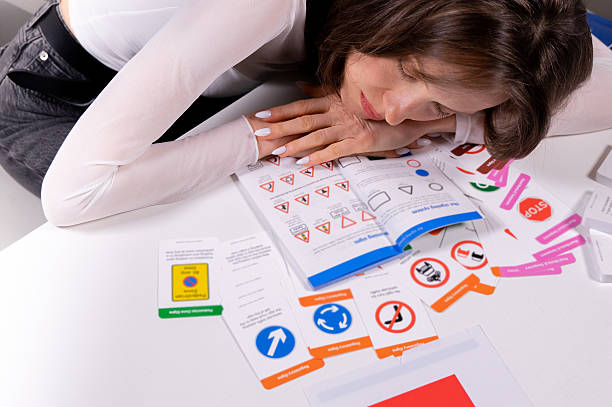
Dvsa Theory Test 25
- 1. What should you do when your vehicle starts to lose brake fluid pressure?
A. Continue driving
B. Speed up
C. Stop safely and check brake system immediately
D. Pump accelerator - 2. What does a red circle with a bus symbol mean?
A. Bus lane
B. Parking for buses
C. No buses allowed
D. Speed zone - 3. What should you do when approaching a pedestrian crossing at dawn or dusk?
A. Speed up
B. Overtake
C. Slow down and be ready to stop
D. Honk - 4. What is the purpose of engine oil filter?
A. Increase speed
B. Remove dirt and particles from engine oil
C. Improve braking
D. Control steering - 5. What should you do when another vehicle suddenly swerves into your lane?
A. Honk
B. Speed up
C. Brake safely and maintain distance
D. Tailgate - 6. What does a broken white centre line indicate?
A. No overtaking
B. Parking allowed
C. Overtaking allowed if safe
D. Stop line - 7. What should you do when your steering becomes unresponsive?
A. Ignore it
B. Continue driving
C. Stop safely and inspect vehicle
D. Speed up - 8. What is the purpose of a vehicle fuel pump?
A. Brake control
B. Steering system
C. Deliver fuel to the engine
D. Cooling system - 9. What should you do when approaching a sharp bend on a steep hill?
A. Speed up
B. Overtake
C. Slow down and use low gear
D. Brake in bend - 10. What does a red triangle road sign indicate?
A. Parking
B. Direction
C. Warning of danger ahead
D. Speed limit - 11. What should you do when following a slow-moving vehicle in traffic?
A. Tailgate
B. Honk
C. Wait for a safe overtaking opportunity
D. Overtake immediately - 12. hat is the purpose of ABS braking system?
A. Increase speed
B. Prevent wheel lock during braking
C. Fuel saving
D. Steering assistance - 13. What should you do when approaching children near a busy road?
A. Speed up
B. Ignore
C. Slow down and be extremely cautious
D. Overtake - 14. What does a green traffic light mean?
A. Stop
B. Wait
C. Proceed if safe
D. Reverse - 15. What should you do when tyres show uneven wear?
A. Ignore
B. Continue driving
C. Check alignment and replace if necessary
D. Brake harder - 16. What is the purpose of seatbelts?
A. Comfort
B. Style
C. Reduce injury in accidents
D. Increase speed - 17. What should you do when approaching a school crossing patrol?
A. Ignore
B. Overtake
C. Stop when instructed
D. Speed up - 18. What does a yellow box junction mean?
A. Parking allowed
B. Stop always
C. Do not enter unless exit is clear
D. Speed zone - 19. What should you do when driving in foggy conditions?
A. Use full beam headlights
B. Speed up
C. Use fog lights and reduce speed
D. Overtake - 20. What is the purpose of road studs (cat’s eyes)?
A. Decoration
B. Improve night lane visibility
C. Increase speed
D. Fuel saving - 21. What should you do when approaching emergency vehicles?
A. Ignore
B. Speed up
C. Give way and move aside safely
D. Block road - 22. What does a slippery road sign indicate?
A. Speed limit
B. Parking zone
C. Reduced road grip
D. Direction - 23. What should you do when approaching a pedestrian crossing?
A. Speed up
B. Ignore
C. Slow down and prepare to stop
D. Overtake - 24. What is the purpose of indicators?
A. Decoration
B. Show intention to turn or change lane
C. Speed control
D. Fuel saving - 25. What should you do when your vehicle starts skidding on ice?
A. Brake hard
B. Accelerate
C. Steer gently in direction of skid
D. Turn off engine - 26. What does a red circle sign usually mean?
A. Information
B. Direction
C. Prohibition or restriction
D. Suggestion - 27. What should you do when approaching roadworks?
A. Speed up
B. Ignore
C. Slow down and follow instructions
D. Overtake - 28. What is the purpose of mirrors while driving?
A. Decoration
B. Monitor traffic around vehicle
C. Increase speed
D. Fuel saving - 29. What should you do when brakes feel weak?
A. Ignore
B. Continue driving
C. Stop safely and inspect brakes immediately
D. Speed up - 30. What does a no entry sign mean?
A. Entry allowed
B. Parking allowed
C. Vehicles must not enter
D. Speed zone - 31. What should you do when approaching a blind hill?
A. Speed up
B. Overtake
C. Slow down and stay alert
D. Honk - 32. What is the purpose of hazard warning lights?
A. Turning signals
B. Parking lights
C. Warn other road users of danger or breakdown
D. Increase speed - 33. What should you do when driving in heavy rain?
A. Speed up
B. Ignore
C. Reduce speed and increase following distance
D. Overtake - 34. What does a green arrow signal mean?
A. Stop
B. Wait
C. Proceed in direction shown
D. Reverse - 35. What should you do when merging onto a fast road?
A. Stop
B. Drive slowly without checking
C. Match speed and merge safely
D. Brake suddenly - 36. What is the purpose of engine oil?
A. Cooling tyres
B. Lubricate engine parts and reduce friction
C. Brake system
D. Steering control - 37. What should you do when approaching a railway crossing?
A. Speed up
B. Ignore
C. Stop if barriers are down or lights are flashing
D. Overtake - 38. What does a white zigzag line near crossing mean?
A. Parking allowed
B. Speed zone
C. No stopping or overtaking
D. Bus lane - 39. What should you do when driving behind a cyclist?
A. Overtake closely
B. Honk
C. Give plenty of space and patience
D. Speed up - 40. What is the purpose of suspension system?
A. Increase speed
B. Absorb shocks and improve ride stability
C. Fuel saving
D. Steering control - 41. What should you do when driving in strong winds?
A. Speed up
B. Ignore
C. Hold steering firmly and reduce speed
D. Overtake - 42. What does a broken white line mean?
A. No overtaking
B. Stop
C. Overtaking allowed if safe
D. Parking area - 43. What should you do when approaching a sharp bend?
A. Speed up
B. Overtake
C. Slow down before entering bend
D. Brake mid-bend - 44. What is the purpose of headlights?
A. Decoration
B. Improve visibility and safety
C. Increase speed
D. Fuel saving - 45. What should you do when approaching flooded road?
A. Drive fast
B. Ignore
C. Assess depth and proceed carefully or avoid
D. Brake hard - 46. What does a red triangle sign warn about?
A. Parking
B. Speed zone
C. Danger ahead
D. Direction - 47. What should you do when another driver cuts in front?
A. Brake harshly
B. Honk
C. Maintain safe distance and stay calm
D. Follow closely - 48. What is the purpose of seatbelts?
A. Comfort
B. Style
C. Reduce injury in collisions
D. Speed control - 49. What should you do when approaching children near the road?
A. Speed up
B. Ignore
C. Slow down and be extremely cautious
D. Overtake - 50. What is the most important rule of driving?
A. Speed
B. Comfort
C. Safety of all road users
D. Style