UK DVSA Theory Test UK
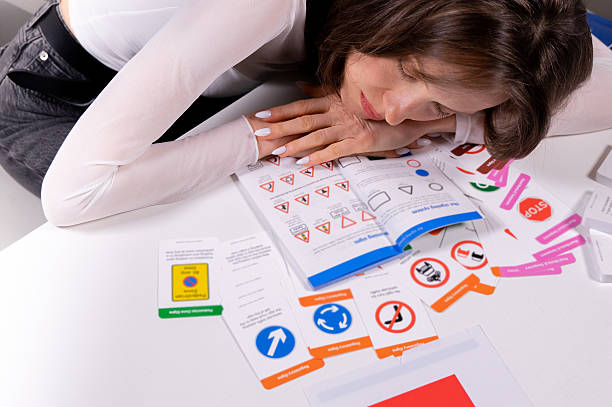
Dvsa Theory Test 23
- 1. What should you do when your vehicle pulls to one side while braking?
A. Ignore it
B. Continue driving normally
C. Stop safely and check brakes or tyre pressure
D. Speed up - 2. What does a red circle with a bicycle symbol mean?
A. Cycle lane
B. Shared path
C. No bicycles allowed
D. Parking area - 3. What should you do when approaching a pedestrian crossing with poor visibility?
A. Speed up
B. Overtake
C. Slow down and be ready to stop
D. Honk - 4. What is the purpose of engine oil?
A. Increase speed
B. Lubricate engine parts and reduce friction
C. Improve braking
D. Cool tyres - 5. What should you do when another driver suddenly stops in front of you?
A. Overtake immediately
B. Honk
C. Brake safely and maintain distance
D. Tailgate - 6. What does a broken white centre line indicate?
A. No overtaking
B. Stop line
C. Overtaking allowed if safe
D. Parking zone - 7. What should you do when your steering becomes loose?
A. Ignore it
B. Continue driving
C. Stop safely and inspect steering system
D. Speed up - 8. What is the purpose of a vehicle’s battery?
A. Fuel storage
B. Steering control
C. Provide electrical power and start engine
D. Cooling system - 9. What should you do when approaching a sharp bend in rain?
A. Speed up
B. Overtake
C. Slow down before entering the bend
D. Brake mid-bend - 10. What does a red triangle sign indicate?
A. Parking allowed
B. Speed zone
C. Warning of danger ahead
D. Direction - 11. What should you do when following a slow-moving vehicle?
A. Tailgate
B. Honk
C. Wait for a safe overtaking opportunity
D. Overtake immediately - 12. What is the purpose of ABS braking system?
A. Increase speed
B. Prevent wheel lock and maintain steering control
C. Fuel saving
D. Steering assist - 13. What should you do when approaching children near a road?
A. Speed up
B. Ignore
C. Slow down and be very cautious
D. Overtake - 14. What does a green traffic light mean?
A. Stop
B. Wait
C. Proceed if safe
D. Reverse - 15. What should you do when tyres are under-inflated?
A. Ignore
B. Continue driving
C. Inflate to correct pressure immediately
D. Brake harder - 16. What is the purpose of seatbelts?
A. Comfort
B. Style
C. Reduce injury in collisions
D. Increase speed - 17. What should you do when approaching a school crossing patrol?
A. Ignore
B. Overtake
C. Stop when instructed
D. Speed up - 18. What does a yellow box junction mean?
A. Parking allowed
B. Stop always
C. Do not enter unless exit is clear
D. Speed zone - 19. What should you do when driving in fog?
A. Use full beam
B. Speed up
C. Use fog lights and reduce speed
D. Overtake - 20. What is the purpose of road studs (cat’s eyes)?
A. Decoration
B. Improve lane visibility at night
C. Increase speed
D. Fuel saving - 21. What should you do when approaching emergency vehicles?
A. Ignore
B. Speed up
C. Give way and move aside safely
D. Block road - 22. What does a slippery road sign indicate?
A. Speed limit
B. Parking zone
C. Reduced road grip
D. Direction - 23. What should you do when approaching a pedestrian crossing?
A. Speed up
B. Ignore
C. Slow down and prepare to stop
D. Overtake - 24. What is the purpose of indicators?
A. Decoration
B. Show intention to turn or change lane
C. Speed control
D. Fuel saving - 25. What should you do when your vehicle skids on ice?
A. Brake hard
B. Accelerate
C. Steer gently in direction of skid
D. Turn off engine - 26. What does a red circle sign usually mean?
A. Information
B. Direction
C. Prohibition or restriction
D. Suggestion - 27. What should you do when approaching roadworks?
A. Speed up
B. Ignore
C. Slow down and follow instructions
D. Overtake - 28. What is the purpose of mirrors while driving?
A. Decoration
B. Monitor traffic around vehicle
C. Increase speed
D. Fuel saving - 29. What should you do when brakes feel weak?
A. Ignore
B. Speed up
C. Stop and check brakes immediately
D. Continue driving - 30. hat does a no entry sign mean?
A. Entry allowed
B. Parking allowed
C. Vehicles must not enter
D. Speed zone - 31. What should you do when approaching a blind hill?
A. Speed up
B. Overtake
C. Slow down and be alert
D. Honk - 32. What is the purpose of hazard warning lights?
A. Turning signals
B. Parking lights
C. Warn other road users of danger or breakdown
D. Increase speed - 33. What should you do when driving in heavy rain?
A. Speed up
B. Ignore
C. Reduce speed and increase following distance
D. Overtake - 34. What does a green arrow traffic light mean?
A. Stop
B. Wait
C. Proceed in direction shown
D. Reverse - 35. What should you do when approaching a merging lane?
A. Stop
B. Reverse
C. Adjust speed and merge safely
D. Drive slowly only - 36. What is the purpose of engine oil?
A. Cooling tyres
B. Lubricate engine parts
C. Brake system
D. Steering control - 37. What should you do when approaching a railway crossing?
A. Speed up
B. Ignore
C. Stop if barriers are down or lights flash
D. Overtake - 38. What does a white zigzag line near crossing mean?
A. Parking allowed
B. Speed zone
C. No stopping or overtaking
D. Bus lane - 39. What should you do when driving behind a cyclist?
A. Overtake closely
B. Honk
C. Give plenty of space
D. Speed up - 40. What is the purpose of suspension system?
A. Increase speed
B. Absorb shocks and improve stability
C. Fuel saving
D. Steering control - 41. What should you do when driving in strong winds?
A. Speed up
B. Ignore
C. Hold steering firmly and reduce speed
D. Overtake - 42. What does a broken white line mean?
A. No overtaking
B. Stop
C. Overtaking allowed if safe
D. Parking area - 43. What should you do when approaching a sharp bend?
A. Speed up
B. Overtake
C. Slow down before entering bend
D. Brake mid-bend - 44. What is the purpose of headlights?
A. Decoration
B. Improve visibility and safety
C. Increase speed
D. Fuel saving - 45. What should you do when approaching flooded road?
A. Drive fast
B. Ignore
C. Assess depth and proceed carefully or avoid
D. Brake hard - 46. What does a red triangle sign warn about?
A. Parking
B. Speed zone
C. Danger ahead
D. Direction - 47. What should you do when another driver cuts in front?
A. Brake harshly
B. Honk
C. Maintain safe distance and stay calm
D. Follow closely - 48. What is the purpose of seatbelts?
A. Comfort
B. Style
C. Reduce injury in collisions
D. Speed control - 49. What should you do when approaching children near the road?
A. Speed up
B. Ignore
C. Slow down and be extremely cautious
D. Overtake - 50. What is the most important rule of driving?
A. Speed
B. Comfort
C. Safety of all road users
D. Style