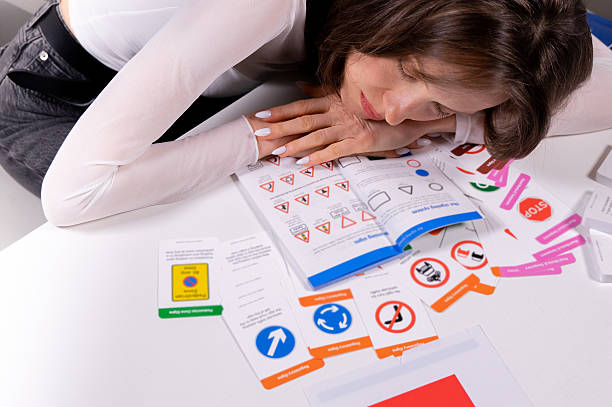
Dvsa Theory Test 1
1. What does a red traffic light mean?
A. Proceed with caution
B. Stop only if pedestrians are crossing
C. Stop and wait behind the stop line
D. Slow down
2. What should you do when approaching a zebra crossing?
A. Speed up to clear it quickly
B. Ignore pedestrians waiting
C. Slow down and be prepared to stop for pedestrians
D. Sound your horn
3. What is the speed limit in a built-up area unless otherwise stated?
A. 20 mph
B. 30 mph
C. 40 mph
D. 50 mph
4. What does a triangular road sign generally indicate?
A. Mandatory instruction
B. Information
C. Warning
D. Direction
5. When should you use your mirrors?
A. Only when reversing
B. Only before changing lanes
C. Occasionally
D. Before changing speed or direction
6. What must you do at a STOP sign?
A. Slow down
B. Give way if necessary
C. Stop completely at the line
D. Flash headlights
7. What is the main purpose of hazard perception in driving?
A. To increase speed
B. To entertain drivers
C. To identify potential dangers early
D. To avoid using mirrors
8. What should you do if an emergency vehicle approaches with flashing lights?
A. Ignore it
B. Race ahead
C. Pull over safely and allow it to pass
D. Stop in the middle of the road
9. What is aquaplaning?
A. Driving too fast uphill
B. Loss of tyre grip on a wet road
C. Engine overheating
D. Brake failure
10. What should you do before starting a journey?
A. Just start driving
B. Check fuel only
C. Ensure the vehicle is roadworthy
D. Turn on radio
11. What does a blue circular sign indicate?
A. Warning
B. Prohibition
C. Mandatory instruction
D. Hazard
12. When is it safe to use a mobile phone while driving?
A. At traffic lights
B. On a quiet road
C. With one hand
D. Never, unless hands-free and safe
13. What should you do when driving in fog?
A. Use full headlights
B. Drive fast
C. Use fog lights and reduce speed
D. Ignore visibility
14. What is the legal alcohol limit for drivers in England (approximate)?
A. 20 mg
B. 50 mg
C. 80 mg per 100 ml of blood
D. 100 mg
15. What should you do when overtaking another vehicle?
A. Follow closely
B. Ignore mirrors
C. Check mirrors and blind spots before overtaking
D. Use horn continuously
16. What does a solid white line in the center of the road mean?
A. Overtake anytime
B. Do not cross unless safe and necessary
C. Stop immediately
D. Speed up
17. What should you do at a pelican crossing with a flashing amber light?
A. Stop always
B. Speed up
C. Give way to pedestrians if they are on the crossing
D. Ignore
18. Why is it dangerous to drive too close to the vehicle in front?
A. Uses more fuel
B. Illegal everywhere
C. Reduces stopping distance and reaction time
D. Makes driving easier
19. What is the purpose of road markings?
A. Decoration
B. Advertising
C. To guide and control traffic
D. None
20. What should you do if your brakes fail?
A. Panic
B. Turn off engine immediately
C. Use engine braking and handbrake gradually
D. Jump out
21. What should you do when approaching a roundabout?
A. Speed through
B. Stop always
C. Give way to traffic from the right
D. Ignore signs
22. What is the purpose of a seatbelt?
A. Comfort
B. Style
C. To reduce injury in a collision
D. To control speed
23. What should you do when you feel tired while driving?
A. Continue driving
B. Drink water
C. Stop and rest
D. Speed up
24. What does a flashing amber traffic light mean?
A. Stop
B. Go quickly
C. Proceed with caution
D. Turn back
25. What is the safe following distance rule in normal conditions?
A. 1 second
B. 2 seconds
C. 5 seconds
D. 10 seconds
26. What should you check before changing lanes?
A. Fuel level
B. Speed only
C. Mirrors and blind spots
D. Radio
27. What should you do when approaching roadworks?
A. Speed up
B. Ignore signs
C. Slow down and follow instructions
D. Overtake
28. What is the purpose of indicators?
A. Decoration
B. Lighting
C. To signal your intentions to other road users
D. Warning only
29. What should you do if a tyre bursts while driving?
A. Brake hard
B. Turn sharply
C. Keep control and slow down gradually
D. Jump out
30. What does a red circular sign mean?
A. Information
B. Mandatory
C. Prohibition or restriction
D. Direction
31. What should you do when driving at night and dazzled by oncoming headlights?
A. Speed up
B. Close your eyes
C. Slow down and look slightly to the left
D. Stop immediately
32. What is the purpose of anti-lock braking systems (ABS)?
A. Increase speed
B. Reduce fuel
C. Prevent wheels from locking during braking
D. Improve steering only
33. What should you do when approaching a school crossing patrol?
A. Ignore
B. Speed up
C. Stop when sign is displayed
D. Sound horn
34. What does a double yellow line mean?
A. Park anytime
B. Park at night
C. No waiting at any time
D. Loading only
35. What should you do before reversing?
A. Just move
B. Use horn
C. Check all around the vehicle
D. Speed up
36. What is the national speed limit on a single carriageway for cars?
A. 50 mph
B. 60 mph
C. 70 mph
D. 80 mph
37. What should you do when approaching a bend?
A. Speed up
B. Overtake
C. Slow down before the bend
D. Close eyes
38. What is the purpose of hazard warning lights?
A. Indicate turning
B. Warn other drivers of danger or obstruction
C. Improve visibility
D. Decoration
39. What should you do when being overtaken?
A. Speed up
B. Block vehicle
C. Maintain speed and allow safe overtaking
D. Brake suddenly
40. What does a green traffic light mean?
A. Stop
B. Wait
C. Proceed if safe
D. Turn back
42. What should you do when approaching a pedestrian crossing with no lights?
A. Ignore
B. Speed up
C. Be ready to stop for pedestrians
D. Use horn
42. What is the purpose of road humps?
A. Decoration
B. Increase speed
C. Slow down traffic
D. Improve comfort
43. What should you do if you miss your exit?
A. Reverse
B. Stop immediately
C. Continue and find a safe place to turn
D. Panic
44. What is the main cause of skidding?
A. Slow speed
B. Harsh braking or steering
C. Good tyres
D. Dry roads
45. What should you do when driving in heavy rain?
A. Speed up
B. Ignore
C. Reduce speed and increase distance
D. Use horn
46. What should you do when approaching a junction with limited visibility?
A. Speed up
B. Ignore
C. Slow down and be prepared to stop
D. Overtake
47. What does a white arrow on the road indicate?
A. Decoration
B. Direction of traffic flow
C. Speed limit
D. Warning only
48. What should you do if your steering feels heavy?
A. Ignore
B. Speed up
C. Check power steering system
D. Stop using brakes
49. What is the purpose of a catalytic converter?
A. Increase speed
B. Reduce harmful emissions
C. Improve braking
D. Cool engine
50. What should you do when parking uphill?
A. Leave in neutral
B. Turn wheels away from curb
C. Turn off engine only
D. Release handbrake